Tag: Pediatric Care

  • Feeding The Picky Eater

    FAMILY LIFE

    Image of young girl excited to eat.

    Pre-dinner tips

    *  Get your child involved. Many kids can help with shopping and cooking. Being involved in the process may make them more likely to try new foods. Have them choose a favorite fruit or vegetable from the store. Younger children can help pour ingredients or cut soft foods, like bananas, with a butter knife. Older children can help with measurements.

    *  Get some exercise. Kids who have been actively playing may be hungrier when dinner comes. The hungrier they are, the more likely they may try new things.

    *  Turn off devices. Make family mealtimes relaxing and unplugged. Ban cell phones, television or other devices from the table.

    Size matters

    Don’t force your child to eat foods they don’t like. Rather, put a “sample size” on their plate. It can be just one bite of food. This may be less overwhelming than serving a large portion to them.

    Sanity-saving steps

    *  Make healthier snacks to fill the gaps. Serve fresh fruit or vegetables as a snack to get in extra nutrients. Skip the processed crackers and chips.

    *  Don’t have a battle. Forcing your child to eat could make them dislike their food even more.

    *  Don’t use bribes or rewards for eating. Rewards teach your child to expect something every time he/she tries a new food.

    *  Make one healthy meal for everyone. Don’t feel pressured to make “special meals” for picky eaters.

    *  Talk about your child’s eating habits with their doctor. Most picky eaters are getting enough of the foods they need. But, ask their pediatrician just in case. Some children need supplements to help get extra nutrients that they’re missing.

    Source: American Academy of Pediatrics

    © American Institute for Preventive Medicine

  • Helping Kids Make Health Decisions

    FAMILY LIFE

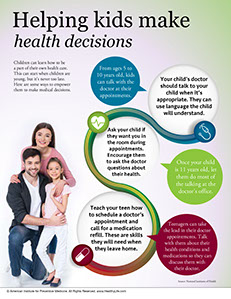
    Couple with young daughter.

    Children can learn how to be a part of their own health care. This can start when children are young, but it’s never too late. Here are some ways to empower them to make medical decisions.

    From ages 5 to 10 years old, kids can talk with the doctor at their appointments.

    Your child’s doctor should talk to your child when it’s appropriate. They can use language the child will understand.

    Once your child is 11 years old, let them do most of the talking at the doctor’s office.

    Ask your child if they want you in the room during appointments. Encourage them to ask the doctor questions about their health.

    Teenagers can take the lead in their doctor appointments. Talk with them about their health conditions and medications so they can discuss them with their doctor.

    Teach your teen how to schedule a doctor’s appointment and call for a medication refill. These are skills they will need when they leave home.

    © American Institute for Preventive Medicine
  • Signs Of Childhood Anxiety

    FAMILY LIFE

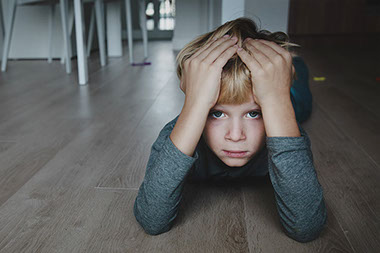
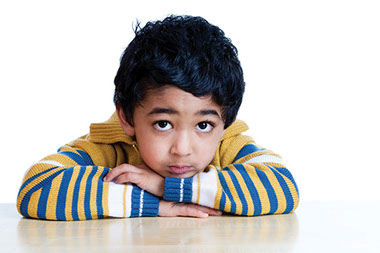
    Young boy laying on floor with hands on top of head.

    It’s normal for kids to experience short-lived fears, such as fear of storms, the dark, animals, or strangers. But, for some kids, fear and worry become excessive and may impact their well-being.

    Being alert for signs of anxiety in your child can help you identify it early and provide immediate support.

    What is childhood anxiety?

    When a child does not outgrow normal childhood fears, or those fears begin to interfere with daily life, they may have an anxiety disorder.

    *  Separation anxiety: fear of being apart from parents

    *  Phobias: extreme fear of a specific situation or thing, such as an animal or activity

    *  Social anxiety: fear of situations surrounded by other people, such as at school

    *  General anxiety: fear of the future and general worry about what might happen

    *  Panic disorder: recurrent attacks of intense fear combined with sweating, dizziness, increased heart rate, and shaking

    Symptoms

    Anxiety can show up in many different ways and often starts with subtle behaviors you may not identify as fear.

    Knowing when something is a problem and not just a childhood “phase” can be challenging. Watch for these common symptoms:

    *  Trouble sleeping

    *  Recurrent tummy aches or other physical complaints

    *  Becoming clingy towards parents or caregivers

    *  Avoidance of specific situations

    *  Difficulty focusing

    *  Trouble sitting still/being fidgety

    *  Emotional outbursts

    *  Mood swings

    When to seek help

    Anxiety is unlikely to go away on its own. If you notice any of the symptoms or have concerns about your child’s mental health, talk to your doctor right away.

    Common treatments include:

    *  Behavior therapy that may include both child and family therapy

    *  Extra support at school

    *  Training for parents to aid their child in managing anxiety

    *  Lifestyle supports such as a healthy diet, adequate sleep, physical activity, and social support

    *  Medication in some cases

    © American Institute for Preventive Medicine
  • Vaccines & Autism: The Facts

    MEDICAL NEWS

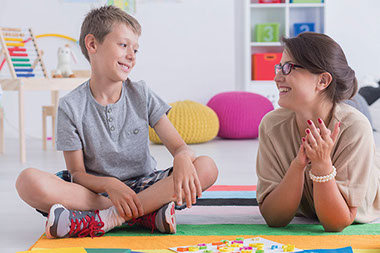
    Young child and teacher.

    Autism spectrum disorder (ASD) is a brain disorder that happens while the brain is developing. It can cause challenges with social, communication and behavioral skills.

    Although experts don’t know all the causes of autism, they do know one thing: vaccines and autism are not linked. Vaccines are safe.

    Still, some people believe that vaccines cause autism. This may be due to a report from 1998 that said there was a link between them. However, the doctor who was responsible for the report used a study that was small and flawed. The study had errors and problems. The doctor’s license was later revoked.

    The causes of autism

    Sometimes, a child gets diagnosed with autism around the time of getting vaccines. This can make it seem like the vaccines caused autism.

    Medical experts say there is no link to vaccines and autism. Numerous studies found that children who get vaccines are not more likely to get autism than children who don’t get vaccines. Although experts have spent years looking for a link between the two, they have not found one.

    There is no single cause of autism. Experts think that genetics and things in the environment might combine to increase a child’s risk.

    Thimerosal and safety

    Some vaccines contain a preservative called thimerosal. Thimerosal contains small amounts of mercury. Some people thought thimerosal could be causing autism.

    Experts removed thimerosal from most childhood vaccines just to be safe. However, even after thimerosal was removed from vaccines, cases of autism did not go down. Experts found that kids who had vaccines which contained thimerosal did not have a higher risk of autism.

    Ask your doctor

    If you ever have questions about your child’s vaccines, ask your doctor. They can give you the facts and evidence about vaccines so you can make an informed choice. Don’t rely on information on the Internet, which may not be true. It could even put your child’s health at risk.

    Source: Autism Speaks, Centers for Disease Control and Prevention

    © American Institute for Preventive Medicine
  • Infant Immunization

    Pediatric Care

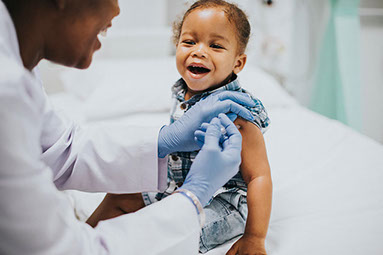
    Young child getting a vaccine from doctor.

    Starting as infants, one-time vaccination throughout childhood is essential to help provide immunity before children are exposed to potentially life-threatening diseases.

    Keep a record of vaccines your child gets. This includes the type of vaccine, the date, and place it was given. List any reactions your child had to the vaccines, too.

    Each state requires children to have vaccines before they enter child care or school. Schools, preschools and child care centers require proof of vaccines.

    Some vaccines can be combined. This means your child gets fewer shots.

    Find out current immunization guidelines and facts about vaccines from Centers for Disease Control and Prevention (CDC) atcdc.gov/vaccines. Vaccines are available from your child’s doctor or your local health department.

    A Year of Health Hints book by the American Institute for Preventive Medicine. www.HealthyLife.com. All rights reserved.

    © American Institute for Preventive Medicine
  • Anxious Kids, Anxious Parents

    FAMILY LIFE

    Image of young child.

    How do you manage a child who gets stomachaches every school morning? Or one who refuses to go to after-school activities? Or who is trapped in the bathroom with frequent hand washing?

    One in every 5 kids suffers from a diagnosable anxiety disorder. Experts Reid Wilson, professor of psychiatry at the University of North Carolina School of Medicine, and Lynn Lyons, a social worker and psychotherapist, say anxiety disorders are the number one reason why parents bring a child to a mental health professional.

    “When kids grow and step into new experiences, they should have questions and uncertainties. Worry becomes a problem when a child is consistently avoiding activities or experiences that are a normal part of development,” according to these experts.

    How do you know if your child may have anxiety? Wilson and Lyons, authors of Anxious Kids, Anxious Parents: 7 Ways to Stop the Worry Cycle and Raise Courageous & Independent Children, say to look for the following behaviors and see a mental health professional with your concerns (worry, they say, may run in families):

    *  They cling to you.

    *  They refuse to try new activities.

    *  They continually ask you for reassurance of their “what if” questions.

    *  They feel sick and complain of aches, pains, and nausea.

    *  They avoid school or cry or throw tantrums if you force them to go.

    *  They act shy and don’t talk in class or around others.

    *  They worry about future or past events (“I will look stupid reading this book report” or “Did I make my best friend mad?” or “Something bad is going to happen to my family”).

    Children can learn to manage their uncertainty, but sometimes it takes a professional to help.

    © American Institute for Preventive Medicine
  • Baby Teeth

    FAMILY LIFE

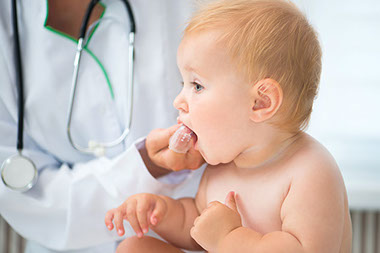
    Image of baby at the doctor's office.

    The ideal time for a child to visit the dentist is 6 months after the child’s first teeth appear. During this initial visit, a dentist will be able to examine the development of the child’s mouth.

    Babies may have dental problems, such as teething irritations, gum disease, and prolonged thumb or pacifier sucking.

    The sooner the child visits a dentist, the better, says the Academy of General Dentistry in offering these other tips:

    *  Clean your infant’s gums with a clean, damp cloth twice a day.

    *  Ask your dentist when you may begin to rub a tiny dab of toothpaste on your child’s gums. Doing so will help your child become accustomed to the flavor of toothpaste.

    *  As soon as the first teeth come in, begin brushing them with a small, soft-bristled toothbrush and a pea-sized dab of fluoride toothpaste.

    *  Help a young child brush at night. This is the most important time to brush, due to lower salivary flow during sleep and higher risk for cavities and plaque.

    *  By about age 5, your child can learn to brush his or her teeth with proper help from an adult.

    © American Institute for Preventive Medicine
  • Backpacks. Crayons. Glue Sticks. Epipen?

    FAMILY LIFE

    Image of 2 school kids in the classroom.

    For more and more school-age children the Epipen is becoming a necessity for completing the back-to-school supply list. In fact, allergic conditions are one of the most common medical conditions affecting children in the U.S.

    “Accidental exposure to allergens at school is a major concern for kids with severe allergies since any exposure could be fatal,” said Dr. Joyce Rabbat, pediatric allergist at Loyola University Health System.

    Food allergies are the most concerning for school-age children since allergens can be hidden in food or utensils and pots and pans could be contaminated without the child’s knowledge. Dr. Rabbat said that parents of children with food allergies should ensure an Allergy Action Plan is in place for the child at his or her school.

    This really could mean life or death to the child,” she said in suggesting that parents should make sure the school reviews the child’s health records that they provide from the doctor. She also suggests asking what the school does to prevent accidental exposure and that staff are trained to deal with an emergency situation.

    If the child is older and knows how to self-administer medications, Dr. Rabbat suggests talking to the school about allowing the child to carry the medication with them. If that is not allowed at the school, make sure the following medications are available:

    *  Epinephrine autoinjectors

    *  Antihistamines

    *  Albuterol rescue inhalers

    Also make sure a staff member, who is available at all times, is properly trained on to how to administer these medications and that your child is familiar with this person.

    © American Institute for Preventive Medicine
  • Prevent Ear Infections

    FAMILY LIFE

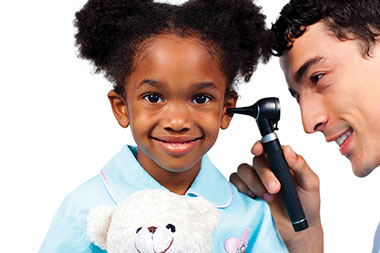
    Image of doctor looking into a child's ear.

    “Most children will have at least one ear infection by the time they are 2 years old,” said Dr. Heather Gomes of the Boys Town National Research Hospital. “For those children who have recurring ear infections, further evaluation and treatment by an ear, nose and throat physician is recommended to avoid delays in speech and language skills.”

    The top 5 tips to prevent ear infections –

    1. Protect your child from secondhand tobacco smoke.

    2. Reduce your child’s exposure to colds during the first 2 years of life as much as possible.

    3. Breast-feed your baby during the first 6 to 12 months of life.

    4. Bottle-feed your child by holding the bottle at a 45-degree angle.

    5. Discuss with your doctor any significant symptoms such as excessive spitting up or stomach pain because this is a risk factor.

    © American Institute for Preventive Medicine
  • Sick Kid?

    FAMILY LIFE

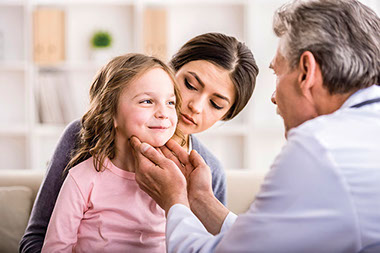
    Image of mother and child at the doctor's office.

    For many reasons, a child being home from school while sick can be stressful. Parents worry about the severity of their child’s illness and about the child missing school, all while trying to shuffle work schedules to be home.

    But when should kids stay home from school? Dr. Hannah Chow-Johnson, pediatrician at Loyola University Health System, gives some guidelines to help parents make that decision.

    Pinkeye.

    Extremely contagious and is usually caused by a virus. One of the first signs of pinkeye is discomfort. Other symptoms include a sticky discharge that can cause the eyelids to stick together, and the area around the eye can look red and swollen. Stay home until the redness is gone.

    Stomach problems.

    Gastroenteritis or the stomach flu can cause vomiting and diarrhea. Most often, it is caused by a virus. A child needs to rest and take gradual fluids to recover. Stay home until the vomiting and diarrhea are gone for 24 hours.

    Fevers.

    Most schools have a policy that a child can’t attend if they have a fever higher than 100 degrees F and the child needs to be fever-free for 24 hours before returning to school. Stay home and rest.

    Coughing.

    If a child has a steady cough, a hacking cough, or coughing fits, he or she should stay home. It’s also important for children and adults to be vaccinated against pertussis (whooping cough). Go back to school with a minor cough, but practice good coughing skills such as coughing into a tissue or elbow and washing hands often.

    Sore throat.

    Many parents think sore throat means strep throat, but in 70% of the cases the pain is caused by a virus. Symptoms of strep also include headache, stomachache, and fever. Sometimes there is a sunburn-like rash on the throat. Stay home if the doctor has given an antibiotic and the child has been on it for 24 hours. If the sore throat is viral, return to school when the child feels better.

    Lice.

    Unfortunately those stubborn bugs mean no school for kids. They can quickly spread through a classroom. Children need lice treatment and combing to remove all nits.

    © American Institute for Preventive Medicine