Tag: performance

  • Boost Your Exercise With Caffeine

    BE FIT

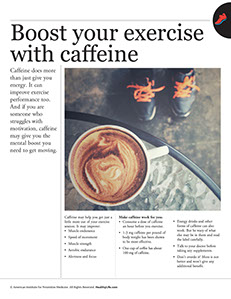
    Caffeine does more than just give you energy. It can improve exercise performance too. And if you are someone who struggles with motivation, caffeine may give you the mental boost you need to get moving.

    Caffeine may help you get just a little more out of your exercise session. It may improve:

    *  Muscle endurance

    *  Speed of movement

    *  Muscle strength

    *  Aerobic endurance

    *  Alertness and focus

    Make caffeine work for you:

    *  Consume a dose of caffeine an hour before you exercise.

    *  1-3 mg caffeine per pound of body weight has been shown to be most effective.

    *  One cup of coffee has about 100 mg of caffeine.

    *  Energy drinks and other forms of caffeine can also work. But be wary of what else may be in them and read the label carefully.

    *  Talk to your doctor before taking any supplements.

    *  Don’t overdo it! More is not better and won’t give any additional benefit.

    © American Institute for Preventive Medicine

  • Eating For Peak Performance

    Fitness

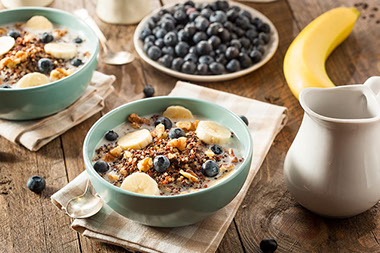
    Image of oat cereal with fresh fruit.

    No pill or magic formula can instantly turn you into a super-athlete. But eating right can help you perform at your best.

    Carbohydrates-from bread, pasta, potatoes, and fruit-provide energy for vigorous activity. So active people need to replenish this fuel frequently.  Don’t expect to get a quick energy boost from a snack you eat just before starting out, though.  Instead, consuming a high-carbohydrate food like skim milk and a banana, whole wheat bread, or an orange an hour or two before a workout acts like a time-release capsule of energy.

    Because you lose electrolytes (potassium, sodium, magnesium, and calcium) in sweat during vigorous activity, drink plenty of water and eat foods that are rich in these minerals. Almost all fruits and vegetables are rich in potassium, but potatoes, bananas, orange juice, winter squash, cantaloupe, sweet potatoes, and cooked beans are especially high. Sodium is rarely lost in quantities greater than amounts you would normally consume, so you don’t need to worry about getting extra.

    Page image from the A Year of Health Hints book by the American Institute for Preventive Medicine. www.HealthyLife.com. All rights reserved.

    © American Institute for Preventive Medicine

  • 8 Ways To Be Promotable

    WORK LIFE

    Image of a group of co-workers smiling.

    No matter what the job, there are certain qualities that all top-performing employees share, according to job-placement expert Phil Blair, author of Job Won! Below are Blair’s 8 ways to be promotion-worthy:

    1.Look and act promotable.You’ve got a job, but unless you plan to make it the last job you ever have, think long term. Act like you’re a man or woman on a mission, always prepared to take the next step, to take your career to the next level. Dress accordingly. In fact, dress for the job you want, not the job you have. Showcase your work when you can. Go above and beyond.

    2.Create value in everything you do.Don’t just cross things off a to-do list. If you have a job to do, do it well. Commit your best effort to all tasks, large and small. That might be challenging at times, but people notice.

    3.Be resourceful.Think outside the box. If you’re doing a job and you see a better way to do it, speak up (in a polite, respectful way). Anticipate problems and find answers before they’re needed. Don’t be afraid to do a little legwork, a little sweating before it’s necessary. It will always pay off.

    4.Get noticed.There’s nothing wrong with stepping up and stepping out: Volunteer for extra duties. Look for chances to be part of a team. Likewise look for chances to work with other departments, both to learn about that department but also to meet new people.

    5.Stay informed.Become an expert in your field. That includes staying on top of industry news and trends, company policies, and department memos. Read the company newsletter. Talk to others in the know. The more information you have at hand, the better prepared you will be when opportunity comes knocking.

    6.Keep positive.No matter what’s going on, remain level-headed, upbeat, with your eye on the prize. There are always ups and downs but focus on the long term. If you have a temper, it is your responsibility to never show it at work.

    7.Be a team player.This is about more than just getting along with others or telling a good joke. In meetings or group efforts, you want to be seen as a valued contributor who offers feedback, meets deadlines, and gets things done-all for the common good. Know your teammates, their strengths, and strive to make them look good too.

    8.Conduct effective meetings.The best way to not get anything done is to call a meeting. That’s a little harsh but meetings are probably the most abused aspect of the workday. The best meetings are short, sweet, and to the point. If you’re calling the meeting or running it, make sure you have an agenda and stick to it. Make sure only the people who need to be at the meeting are there. Stay on point. Allow everyone to speak who wants to speak, but keep them focused on the subject. Try to complete all of the tasks of the meeting before the meeting ends. If that’s not possible, assign action items with due dates.
    © American Institute for Preventive Medicine

  • Fueling Your Workout The Healthy Way

    BE FIT

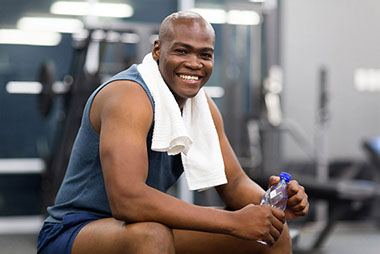
    Image of man at the gym.

    Food is your body’s fuel. When it comes to exercise, healthy food can power you through a workout session, while less healthy food can leave you feeling flat.

    Finding the right pre-workout foods doesn’t have to be complicated. Listen to your body and keep track of your diet. This can help you discover what you should eat – and avoid eating – when you want to make the most of your exercise time.

    No “quick fixes”

    Though many products on the market claim to boost energy and performance, many of them aren’t as healthy as nutritious, whole foods. Some energy bars and drinks contain high levels of sugar, caffeine and other additives. These may give you a quick “jolt,” but when your blood sugar drops and the caffeine wears off, you could feel sluggish or downright exhausted.

    Is timing everything?

    Some athletes swear by eating 30 minutes before a workout. Others experience cramping or tiredness if they eat too close to when they exercise.

    If you’re doing an intense workout, such as running or high-impact aerobics, you may need to give your body longer to digest a meal. But lower-intensity activities, such as walking or gardening, may be more enjoyable if you’ve had a small meal first.

    Healthy pre-workout choices

    Whole foods are often a great choice pre-workout – and in daily life. But don’t stick to fruits and vegetables only. The body needs some protein and fat to make energy. Try avocados, nuts, seeds, eggs, fish or beans with some fruit or veggies. If you’re going to exercise within the hour, make it a smaller portion.

    Skip sugary treats, sweetened beverages, and energy bars and drinks. Drink plenty of water before your workout and continue to drink during and afterward. If you’ll be sweating excessively, a sports drink may be advised – but make water the drink of choice most of the time.

    Coffee and exercise – a good match?

    Some people find they have a better workout after they’ve had their morning cup of joe. This can be helpful for those who already drink coffee, but it’s not for everyone. Coffee can dehydrate you, so drink plenty of water. And, if you don’t already drink caffeinated beverages, you could end up jittery or anxious. If your doctor has told you to avoid caffeine, don’t try this.

    Consuming the right foods at the right time may help you feel your best during and after your workout.

    © American Institute for Preventive Medicine

  • Physical Fitness And Sports

    BE FIT

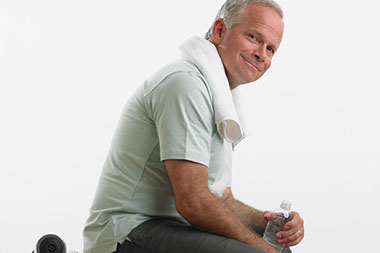
    Image of older man ready to exercise.

    Along with healthy eating, physical activity increases your chances of living longer. Exercise can also help:

    *  Control your blood pressure, blood sugar, and weight

    *  Lower your “bad” cholesterol and raise your “good” cholesterol

    *  Prevent heart disease, colorectal and breast cancer, and type 2 diabetes

    And that’s not all. Being more active can:

    *  Be fun

    *  Help you look your best

    *  Improve your sleep

    *  Make your bones, muscles, and joints stronger

    *  Lower your chances of becoming depressed

    *  Reduce falls and arthritis pain

    *  Help you feel better about yourself

    For adults, most health benefits come with at least 150 minutes a week of moderate-intensity physical activity, such as brisk walking. Extra benefits occur with more physical activity. Both aerobic (endurance) and muscle-strengthening (resistance) physical activity are helpful.

    Children need 60 minutes of play with moderate to vigorous activity every day. If this sounds like a lot, consider that eight to 18 year olds spend an average of 7.5 hours a day sitting. This includes using computers, video games, cell phones and watching TV and movies.

    Make exercise fun

    No matter what shape you are in, you can find activities that you enjoy. If you think of exercise as a chore that you have to do, it can be harder to stick with it.

    *  Choose activities you enjoy and look forward to. Do ones you enjoyed as a child.

    *  Set up a walking program with a friend, family member, or coworker you enjoy being with.

    *  Wear a pedometer to track your steps. Aim for a goal of 10,000 steps a day.

    *  Enjoy a sunny day and fresh air with outdoor activities.

    *  Play outdoors with your children and grandchildren.

    *  Use fitness facilities at your work.

    © American Institute for Preventive Medicine

  • Race Drinking

    BE FIT

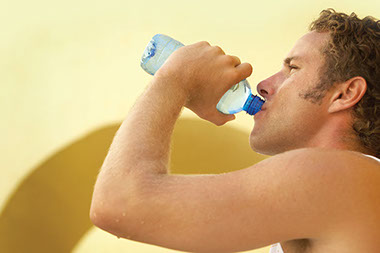
    Image of man drinking from a water bottle.

    Nearly half of recreational runners may be drinking too much fluid during races, according to a survey of runners by Loyola University Health System researchers. Expert guidelines recommend runners drink only when thirsty. But the Loyola survey found that 36.5% of runners drink according to a preset schedule or to maintain a certain body weight and 8.9% drink as much as possible.

    Drinking too much fluid while running can cause a potentially fatal condition called exercise-associated hyponatremia. It occurs when runners drink even when they are not thirsty. Drinking too much during exercise can dilute the sodium content of blood to abnormally low levels.

    Drinking only when thirsty will prevent overconsumption of fluids. “It’s the safest known way to hydrate during endurance exercise,” said Loyola sports medicine physician Dr. James Winger. The study is in the British Journal of Sports Medicine.

    Symptoms of hyponatremia can include nausea, vomiting, headache, confusion, loss of energy, muscle weakness, spasms or cramps. In extreme cases, the condition can lead to seizures, unconsciousness, and coma.

    © American Institute for Preventive Medicine