Tag: Personal Health & Safety

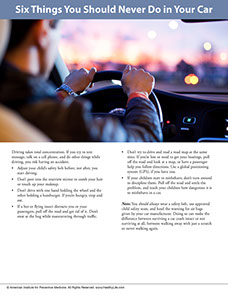
  • Six Things You Should Never Do In Your Car

    Personal Safety

    Image of man driving.

    Driving takes total concentration. If you try to text message, talk on a cell phone, and do other things while driving, you risk having an accident.

    *  Adjust your child’s safety belt before, not after, you start driving.

    *  Don’t peer into the rearview mirror to comb your hair or touch up your makeup.

    *  Don’t drive with one hand holding the wheel and the other holding a hamburger. If you’re hungry, stop and eat.

    *  If a bee or flying insect distracts you or your passengers, pull off the road and get rid of it. Don’t swat at the bug while maneuvering through traffic.

    *  Don’t try to drive and read a road map at the same time. If you’re lost or need to get your bearings, pull off the road and look at a map, or have a passenger help you follow directions. Use a global positioning system (GPS), if you have one.

    *  If your children start to misbehave, don’t turn around to discipline them. Pull off the road and settle the problem, and teach your children how dangerous it is to misbehave in a car.

    Note: You should always wear a safety belt, use approved child safety seats, and heed the warning for air bags given by your car manufacturer. Doing so can make the difference between surviving a car crash intact or not surviving at all, between walking away with just a scratch or never walking again.
    A Year of Health Hints book by the American Institute for Preventive Medicine. www.HealthyLife.com. All rights reserved.

    © American Institute for Preventive Medicine

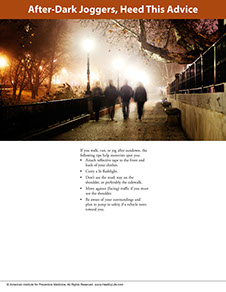
  • After-Dark Joggers, Heed This Advice

    Personal Safety

    Image of people walking/jogging in the dark.

    If you walk, run, or jog after sundown, the following tips help motorists spot you.

    *  Attach reflective tape to the front and back of your clothes.

    *  Carry a lit flashlight.

    *  Don’t use the road; stay on the shoulder, or preferably the sidewalk. Move against (facing) traffic if you must use the shoulder.

    *  Be aware of your surroundings and plan to jump to safety if a vehicle veers toward you.

    A Year of Health Hints book by the American Institute for Preventive Medicine. www.HealthyLife.com. All rights reserved.

    © American Institute for Preventive Medicine
  • Reduce Environmental Risk Factors For Chronic Diseases

    Personal Safety

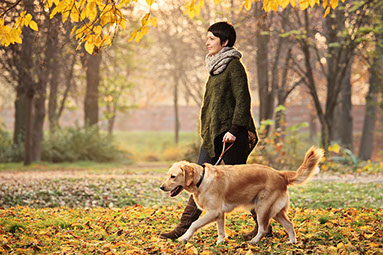
    Women walking dog.

    Chronic diseases include arthritis, asthma, cancer, diabetes, heart disease, emphysema, multiple sclerosis, Parkinson’s disease, and stroke. An unhealthy diet, inactivity and overweight, and tobacco use are common risk factors for many chronic diseases.

    *  Live a healthy lifestyle. Be active. Walk. Rake leaves.

    *  Limit exposure to air pollution to reduce the risk for problems with asthma, heart disease, stroke, emphysema and other respiratory diseases.

    *  Choose organic foods. Pick apples at an apple orchard. Enjoy the fruits of your labor.

    *  Reduce exposure to pesticides. Chronic, low-dose exposure to pesticides has been linked to Parkinson’s disease (PD), brain tumors, lymphomas, asthma, and birth defects. Pesticides are in lawn and garden sprays, insect repellants, flea collars, and non-organic foods. Find out about earth-friendly fertilizers from a fertilizer specialist at your local Extension Office. Ask your vet how to keep your pet from getting fleas without the use of pesticides.

    *  Use a digital or ear thermometer. Find out what to do about mercury spills, disposal, and cleanup fromepa.gov/mercury/spills/index.htm.

    A Year of Health Hints book by the American Institute for Preventive Medicine. www.HealthyLife.com. All rights reserved.

    © American Institute for Preventive Medicine
  • How To Steer Clear Of Drunken Drivers

    Personal Safety

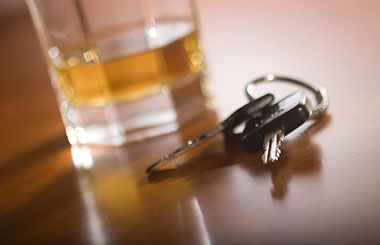
    Image of keys and a glass of alcohol in the background.

    Driving under the influence of alcohol is a common cause of auto accidents. If you can spot a drunken driver and stay out of his or her way, you may be able to avoid an accident. Watch out for drivers who:

    *  Drive too fast or too slow.

    *  Make jerky starts or stop abruptly.

    *  Overshoot stop signs.

    *  Ignore traffic signals.

    *  Follow cars too closely.

    *  Pass other cars too quickly or too slowly.

    *  Change lanes frequently.

    *  Drive without their lights on after sundown.

    *  Drive with their windows rolled down in cold or wet weather.

    *  Are obviously partying and having a good time with their passengers when they should be paying attention to the road.

    A Year of Health Hints book by the American Institute for Preventive Medicine. www.HealthyLife.com. All rights reserved.

    © American Institute for Preventive Medicine
  • Lawn Mower Safety

    Personal Safety

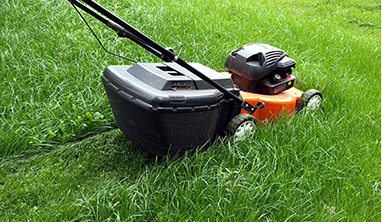
    Image of lawn mower cutting the grass.

    Getting sliced by a lawn mower blade and being hit by rocks or other propelled objects are the two most common lawn mower-related injuries. (Mower blades rotate at nearly 200 miles per hour, and seemingly harmless sticks and stones often become dangerous missiles when picked up and hurled at that speed.) To mow grass safely:

    *  Before you start to mow, clear the lawn of sticks, stones, toys, garden hoses, and so forth.

    *  Don’t use electric mowers on wet grass.

    *  Wear heavy-duty shoes and long pants to protect your legs.

    *  Wear safety goggles to protect your eyes. Wear ear protectors (like those worn on shooting ranges) to protect your hearing.

    *  Push the mower, never pull it (if you have a push mower).

    *  Mow across a slope, not up or down, so the mower doesn’t slide or fall on top of you. Look several feet ahead when mowing.

    *  Turn off the engine if you have to check the blade, or clean or adjust the mower. Never fuel a lawn mower when the engine is hot. Spilled fuel or fumes can result in an explosion or fire. Instead, allow the engine to cool before refueling.

    *  Never allow children to operate a power mower, and keep small children far away from a mower that’s in use.

    A Year of Health Hints book by the American Institute for Preventive Medicine. www.HealthyLife.com. All rights reserved.

    © American Institute for Preventive Medicine
  • A Safer Way To Shovel Snow

    Personal Safety

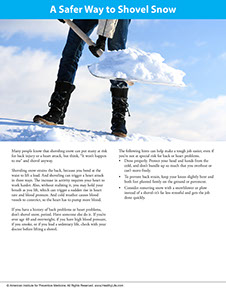
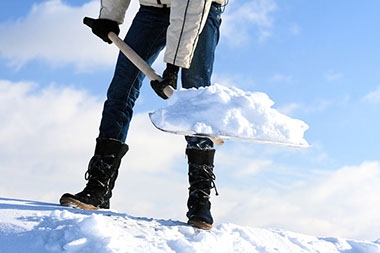
    Image of a person shoveling snow.

    Many people know that shoveling snow can put many at risk for back injury or a heart attack, but think, “It won’t happen to me” and shovel anyway.

    Shoveling snow strains the back, because you bend at the waist to lift a load. And shoveling can trigger a heart attack in three ways. The increase in activity requires your heart to work harder. Also, without realizing it, you may hold your breath as you lift, which can trigger a sudden rise in heart rate and blood pressure. And cold weather causes blood vessels to constrict, so the heart has to pump more blood.

    If you have a history of back problems or heart problems, don’t shovel snow, period. Have someone else do it. If you’re over age 40 and overweight, if you have high blood pressure, if you smoke, or if you lead a sedentary life, check with your doctor before lifting a shovel.

    The following hints can help make a tough job easier, even if you’re not at special risk for back or heart problems.

    *  Dress properly. Protect your head and hands from the cold, and don’t bundle up so much that you overheat or can’t move freely.

    *  To prevent back strain, keep your knees slightly bent and both feet planted firmly on the ground or pavement.

    *  Consider removing snow with a snowblower or plow instead of a shovel-it’s far less stressful and gets the job done quickly.

    A Year of Health Hints book by the American Institute for Preventive Medicine. www.HealthyLife.com. All rights reserved.

    © American Institute for Preventive Medicine
  • Keep A Survival Kit In Your Car

    Personal Safety

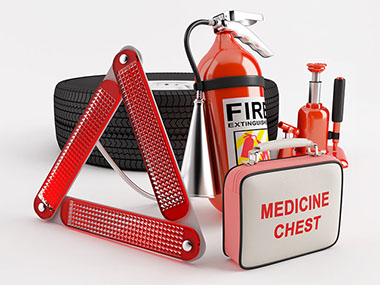
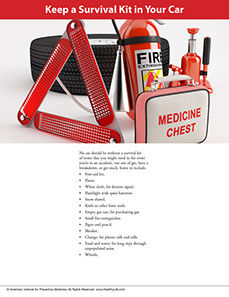
    Image of a car kit.

    No car should be without a survival kit of items that you might need in the event you’re in an accident, run out of gas, have a breakdown, or get stuck. Items to include:

    *  First-aid kit.

    *  Flares.

    *  White cloth, for distress signal.

    *  Flashlight with spare batteries.

    *  Snow shovel.

    *  Knife or other basic tools.

    *  Empty gas can, for purchasing gas.

    *  Small fire extinguisher.

    *  Paper and pencil.

    *  Blanket.

    *  Change, for phone calls and tolls.

    *  Food and water, for long trips through unpopulated areas. Whistle.

    A Year of Health Hints book by the American Institute for Preventive Medicine. www.HealthyLife.com. All rights reserved.

    © American Institute for Preventive Medicine
  • The Keys To Physical Well-Being Are Healthy Habits

    Personal Safety

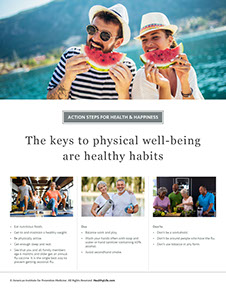
    Couple eating watermelon.

    *  Eat nutritious foods.

    *  Get to and maintain a healthy weight.

    *  Be physically active.

    *  Get enough sleep and rest.

    *  See that you and all family members age 6 months and older get an annual flu vaccine. It is the single best way to prevent getting seasonal flu.

    Dos

    *  Balance work and play.

    *  Wash your hands often with soap and water or hand sanitizer containing 60% alcohol.

    *  Avoid secondhand smoke.

    Don’ts

    *  Don’t be a workaholic.

    *  Don’t be around people who have the flu.

    *  Don’t use tobacco in any form.

    A Year of Health Hints book by the American Institute for Preventive Medicine. www.HealthyLife.com. All rights reserved.

    © American Institute for Preventive Medicine
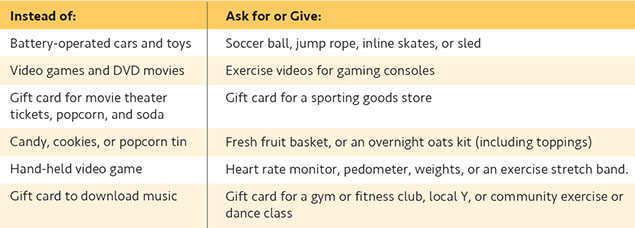
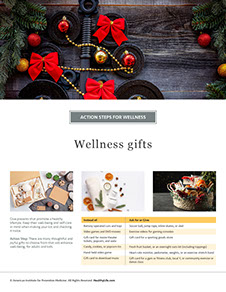
  • Wellness Gifts 2

    Personal Safety

    Fitness tools shaped into a Christmas tree.

    Give presents that promote a healthy lifestyle. Keep their well-being and self-care in mind when making your list and checking it twice.

    Action Step:There are many thoughtful and joyful gifts to choose from that will enhance well-being, for adults and kids.

    A Year of Health Hints book by the American Institute for Preventive Medicine. www.HealthyLife.com. All rights reserved.

    © American Institute for Preventive Medicine
  • Breaking Bad Habits Now

    WELL-BEING

    Doctor holding an apple in hand wrap with a tape measure.

    If you’re hoping to make a change, these tips may help:

    Avoid.If certain places or people make you want to engage in unhealthy habits, try your best to stay away.

    Replace.Focus on what you can do instead of the bad habit. For instance, take a walk or drink a glass of water.

    Plan.If you know you’ll be tempted with a bad habit, practice what you can do. Picture yourself not giving in. Have a plan for yourself.

    Buddy up.Ask a friend or family member to support you. They can cheer you on and encourage you when you need it.

    Source: National Institutes of Health

    © American Institute for Preventive Medicine