Tag: Personal Health & Safety

  • Drowsy Driving: Know The Signs

    WELL-BEING

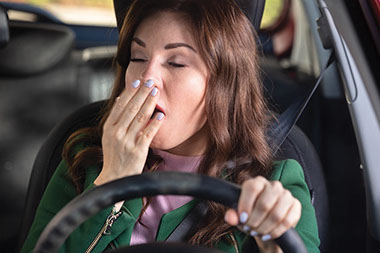
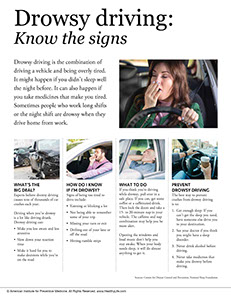
    Women yawning while driving.

    Drowsy driving is the combination of driving a vehicle and being overly tired. It might happen if you didn’t sleep well the night before. It can also happen if you take medicines that make you tired. Sometimes people who work long shifts or the night shift are drowsy when they drive home from work.

    What’s the big deal?

    Experts believe drowsy driving causes tens of thousands of car crashes each year.

    Driving when you’re drowsy is a lot like driving drunk. Drowsy driving can:

    *  Make you less aware and less attentive

    *  Slow down your reaction time

    *  Make it hard for you to make decisions while you’re  on the road

    How do I know if I’m drowsy?

    Signs of being too tired to drive include:

    *  Yawning or blinking a lot

    *  Not being able to remember some of your trip

    *  Missing your turn or exit

    *  Drifting out of your lane or off the road

    *  Hitting rumble strips

    What to do

    If you think you’re driving while drowsy, pull over in a safe place. If you can, get some coffee or a caffeinated drink. Then lock the doors and take a 15- to 20-minute nap in your vehicle. The caffeine and nap combination may help you be more alert.

    Opening the windows and loud music don’t help you stay awake. When your body needs sleep, it will do almost anything to get it.

    Prevent drowsy driving

    The best way to prevent crashes from drowsy driving is to:

    1. Get enough sleep. If you can’t get the sleep you need, have someone else drive you to your destination.

    2. See your doctor if you think you might have a sleep disorder.

    3. Never drink alcohol before driving.

    4. Never take medicines that make you drowsy before driving.

    Sources: Centers for Disease Control and Prevention, National Sleep Foundation
    © American Institute for Preventive Medicine
  • Hand Washing Or Sanitizer?

    WELL-BEING

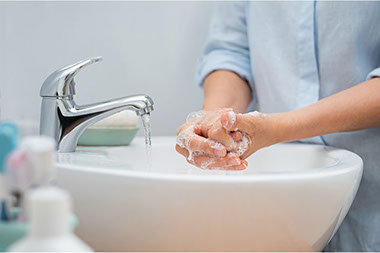
    Close up image of person washing hand with soap and water.

    If there’s one habit that’s good for everyone’s health, it’s hand washing. But is hand sanitizer just as good as soap and water? Maybe not. Hand sanitizers:

    *  Do not get rid of all germs.

    *  Don’t work well when hands have dirt or grease on them.

    *  May not remove dangerous chemicals, like pesticides and heavy metals.

    Hand washing does all these things – when you use soap and water and scrub for at least 20 seconds.

    Use hand sanitizer when you can’t get soap and water. But always choose the sink and soap when you can!

    Source: Centers for Disease Control and Prevention

    © American Institute for Preventive Medicine
  • Prevent Firework Injuries

    WELL-BEING

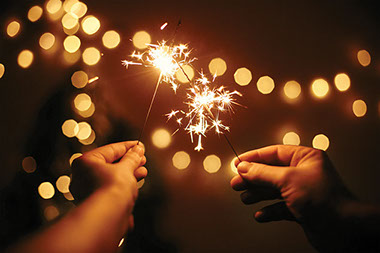
    Two hands holding sparklers.

    Fireworks are all fun and games until someone gets hurt. In fact, fireworks start an average of 18,500 fires each year and cause thousands of injuries. However, those facts still don’t deter many people from buying and setting off fireworks each summer. To keep yourself and your family safe, practice these fireworks safety tips.

    Leave it to the professionals

    If you can, allow professionals to set off any fireworks. Attend a public fireworks event over trying to set up your own fireworks display.

    Keep children away

    If you are setting off your own fireworks, do not allow children to help and make sure everyone is at a safe distance.

    Say no to drugs and alcohol

    Do not set off any fireworks while impaired by drugs or alcohol. Or, ask someone else who is not impaired to set off the fireworks for you.

    Handle with care

    Do not hold the fireworks in your hands or set off indoors. Only use them away from people, houses and flammable material. Do not point or throw fireworks at another person and never ignite devices in a container.

    Stay away from defective fireworks

    Do not try to re-light or handle malfunctioning fireworks. Soak both used and unused fireworks in water for a few hours before discarding. Keep a bucket of water nearby to fully extinguish fireworks that don’t go off or use in case of fire.

    Sparklers are scary

    This popular pastime for children has proven to be one of the most dangerous. Sparklers burn at about 2,000 degrees – hot enough to melt some metals. They can ignite clothing and severely burn children who drop them on their feet. Safer alternatives to consider are glow sticks, confetti poppers and colored streamers.

    Source: National Safety Council

    © American Institute for Preventive Medicine
  • Q & A Blood Donation

    WELL-BEING

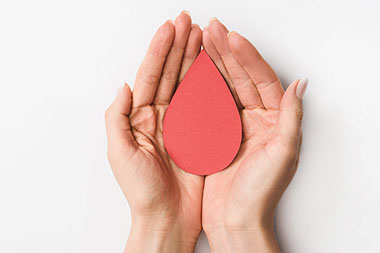
    Close up of hands holding a piece of paper shaped as a blood drop.

    Every day, people need life-saving blood transfusions. These transfusions are possible because people donate their blood. Despite the need for donated blood, many people are afraid to donate. They may have fears about the process, needles or even their own health. Get the facts about blood donation so you can make an informed decision.

    More than 4 million lives are saved each year because of blood donations.

    Q: Is blood donation safe?

    A: Yes. Each donation uses a new, sterile needle that is thrown away after one use. You may also be given a quick health check to be sure you’re healthy enough to donate. This may include taking your temperature, blood pressure and pulse.

    Q: What if I don’t like needles?

    A: Many people have a fear of needles. But blood donation is a quick process that can help save up to three lives. Facing your fears can mean the world to another person. Try listening to relaxing music, deep breathing or reading a book during your donation. Drinking fluids before donating will make donation easier and faster.

    Q: Will I faint afterward?

    A: Some people feel lightheaded after donating blood. But most people feel fine afterward. If this concerns you, you can have a few extra minutes to sit or lie down. You can also lower the risk of this happening by eating a healthy meal before your donation and drinking at least 16 ounces of water. When you feel well enough, slowly sit up. Blood donation only takes about 1/10th of the blood from your body. Your body replaces this lost blood quickly.

    Q: Don’t they only need rare blood types?

    A: Sometimes there is a public appeal for certain blood types. But all blood types are needed and valuable. If you don’t know your blood type, you can find out after your donation.

    If you have any health conditions, you can ask your doctor whether blood donation is right for you.

    Source: American Heart Association

    © American Institute for Preventive Medicine
  • Say Goodbye To Bad Habits

    WELL-BEING

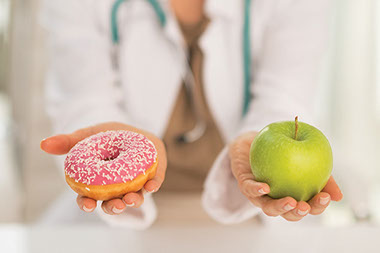
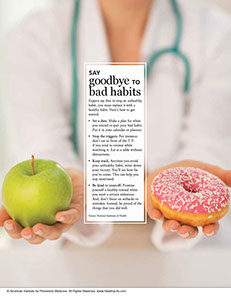
    Doctor holding apple in one hand and a donut in the other hand.

    Experts say that to stop an unhealthy habit, you must replace it with a healthy habit. Here’s how to get started.

    *Set a date.Make a plan for when you intend to quit your bad habit. Put it in your calendar or planner.

    *Stop the triggers.For instance, don’t eat in front of the T.V. if you tend to overeat while watching it. Eat at a table without distractions.

    *Keep track.Anytime you avoid your unhealthy habit, write down your victory. You’ll see how far you’ve come. This can help you stay motivated.

    *Be kind to yourself.Promise yourself a healthy reward when you meet a certain milestone. And, don’t focus on setbacks or mistakes. Instead, be proud of the things that you did well.

    Source: National Institutes of Health

    © American Institute for Preventive Medicine
  • 5 Wellness Factors

    Personal Safety

    Slices of lime and kiwi, with bottles of oil and herbs.

    Wellness is more than not being sick. It includes:

    1.  Your physical health

    2.  Your mental and emotional health

    3.  Your social and community health

    4.  Your financial health

    5.  Your spiritual health

    Wellness goals include:

    *  Feeling healthy and having the energy to do your daily activities

    *  Having a purpose and being satisfied with your life

    *  Giving and receiving support from others with a sense that you belong

    *  Being able to manage your economic resources to support your health and well-being

    Take Action: Think Positive

    Studies have shown that optimism can significantly lower the risk of coronary heart disease.

    1.  Focus on solving problems, not being overwhelmed by them.

    2.  Train your thoughts to look at the glass as half full, not half empty.

    3.  Practice gratitude by writing down three good things you are grateful for that happen each day.

    A Year of Health Hints book by the American Institute for Preventive Medicine. www.HealthyLife.com. All rights reserved.

    © American Institute for Preventive Medicine
  • Still No Flu Shot? It’S Not Too Late

    SELF-CARE CORNER

    Image of fingers crossed with smiling faces drawn in them.

    The flu causes hundreds of thousands of hospitalizations and thousands of deaths each year, according to the Centers for Disease Control and Prevention (CDC). It’s a serious disease that is especially dangerous for babies, the elderly and those with health conditions, such as heart disease.

    Get your flu shot if you haven’t done so yet. You may be wondering if getting a shot now will be helpful, and the answer is “yes!” Here’s why:

    *  Getting the shot now means you could be protected before the peak of the holiday season. It takes about 2 weeks to get the full immunity from a flu shot.

    *  Flu season usually continues until March or even April of each year. Getting the shot now means months of protection!

    *  As long as the flu keeps spreading, the flu shot can keep you from getting sick.

    *  If you do get sick, your illness will probably be much milder.

    *  No one likes to have a fever, chills, cough, headache, sore throat, body aches, nausea or vomiting. Getting the flu shot now means you reduce your risk of getting all these symptoms from the flu this season. The flu is much more serious than a cold.

    Top flu shot myths busted

    Many people have heard myths about the flu shot and may wonder if it’s safe and effective. Check out these common misconceptions and the truth about the flu shot:

    Myth: You can get sick from the flu shot.

    Fact:The flu shot cannot make you sick with the flu. It contains inactivated (killed) viruses. Some people have mild side effects that last only a day or so that include aches, soreness and a low fever. These side effects are much shorter and milder than getting the flu.

    Myth: I got the flu shot last year, so I don’t need a new one.

    Fact:The flu shot changes each year based on what flu viruses are going around. Experts choose several viruses that are most likely to make people sick and include them in the vaccine. Last year’s vaccine may not offer protection against this year’s viruses.

    Myth: It’s better to just get the flu and get immunity that way.

    Fact:While most healthy people will recover from the flu without problems, this is a dangerous risk to take. Anyone who gets the flu can be at risk of having serious problems. And, there is a high risk of spreading it to loved ones, especially babies, the elderly and people with weakened immune systems.

    © American Institute for Preventive Medicine
  • Stranded In A Storm?

    WELL-BEING

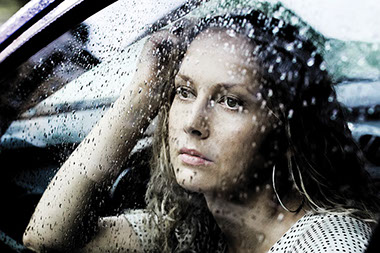
    Image of young women looking out the car window.

    Whether you’re stuck in your car or at home or elsewhere, know how to extend your cell phone’s battery life, advises the Auto Club Group.

    In an emergency, do this:

    *  Turn the phone off. Only turn it on when you are expecting or making a call.

    *  If you’re in an area with no reception, turn off the phone to prevent it from constantly searching for service. Even with automatic power-save features, this function can take up to 30 minutes and it is depleting your battery.

    *  Limit use of the vibrate function on your phone. Use a ring tone because it uses less of the battery’s power.

    *  Don’t use extra features such as the Internet, WiFi, GPS, a camera, and a hands-free device.

    © American Institute for Preventive Medicine
  • Stranded In Your Car During A Winter Storm?

    WELL-BEING

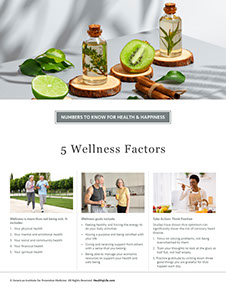
    Image of an older Asian couple stretching.

    A fast-moving winter storm could strand you in your car. The cold can lead to hypothermia and frostbite until you’re rescued.

    A charged cell phone can be your lifeline for first responders, but until help arrives, Amica Insurance with advice from the National Oceanic and Atmospheric Administration offers these tips to help keep you safe if you’re stuck in a winter storm:

    *  Always stay in your vehicle. You will become disoriented quickly in wind-driven snow and cold temperatures.

    *  Run the engine for about 10 minutes every hour to provide heat. However, be sure to slightly open a window to avoid carbon monoxide poisoning.

    *  Turn on the dome light at night when running the engine.

    *  After the snow stops, open the hood of your vehicle to indicate that you need assistance.

    *  Tie a colored cloth – preferably red – to your door or antenna.

    *  Be sure to move your arms, legs, fingers and toes to keep blood circulating.

    © American Institute for Preventive Medicine
  • Surprisingly Simple Ways To Prevent Disease

    MEDICAL NEWS

    Image of happy man with thumbs up as he weighs himself.

    Five new studies support simple steps to prevent illness and improve overall health. The American Journal of Medicine reports the following based on multiple studies in several countries:

    *  Eating fresh fish regularly may reduce your risk of colorectal cancer.

    *  Still trying to stop smoking? Try acupuncture and hypnosis. Several studies found smokers had good success.

    *  Have your teeth cleaned regularly. Scaling removes harmful bacteria. You can reduce your risk for heart attack and stroke.

    *  Talk to your doctor about weight loss. People who were moderately obese, followed a diet plan from their doctors (not a weight loss clinic), and stuck with it at least 12 weeks, lost over 10% of their body weight.

    *  Low-dose aspirin, for people who can take it, offers preventive cancer benefits along with heart healthy help.

    © American Institute for Preventive Medicine