Tag: Personal Health & Safety

  • The Scoop On Shoveling

    WELL-BEING

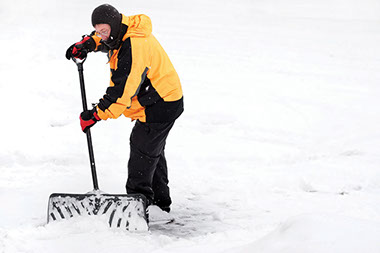
    Image of man shoveling snow.

    Push the snow, dress in layers, and warm up first are sensible rules for shoveling snow. Here are some guidelines you may not know:

    *  Avoid caffeine or nicotine before shoveling, especially if you have a history of or are at high risk for a heart attack. These stimulants may increase your heart rate and cause your blood vessels to constrict, which places extra stress on the heart. If you have a heart condition, respiratory issues, or back problems, check with your doctor before doing any shoveling.

    *  Drink plenty of water to avoid dehydration.

    *  Try to shovel fresh snow, before it becomes packed or refrozen. It may be helpful to shovel a few times during a snowfall rather than waiting until the storm ends when the snow is deeper and heavier.

    *  Switch hands periodically and alternate the side to which you are throwing snow to more evenly distribute the work load and repetitive muscle use.

    *  Use a sturdy snow shovel that has open ends to allow you to easily toss the snow off to the side.

    *  Pace yourself. Be sure to take frequent breaks to rest and avoid overexertion. Exhaustion can make you more susceptible to injury, hypothermia, and frostbite.

    Most important:

    If you begin to experience any pain in your chest, arm or neck, shortness of breath or profuse sweating, stop shoveling immediately and seek emergency medical attention.

    [Source: Kessler Institute]

    © American Institute for Preventive Medicine

  • 8 Commandments For Living Long And Living Well

    WELL-BEING

    Image of a group of people with exercise balls.

    You won’t live forever, but you can’t live like there’s no tomorrow, because tomorrow is coming. You can prepare for tomorrow today by making smart lifestyle choices or changing poor health habits-it’s never too late to do that, says Dr. Edward Creagan in his book How Not to Be My Patient: A Physician’s Secrets for Staying Healthy and Surviving Any Diagnosis. Here are Dr. Ed’s eight commandments:

    1. Form stable long-term relationships.

    2. Maintain ideal body weight.

    3. Eat a plant-based diet.

    4. Be active.

    5. No smoking.

    6. Use alcohol in moderation, if at all.

    7. Foster a sense of spirituality and a sense of connectedness to nature or your higher power or force.

    8. Find meaning and purpose in life.

    © American Institute for Preventive Medicine

  • Unexpected Ways To Be Happy (And Healthy)

    WELL-BEING

    Image of a couple jumping in a puddle while it's raining.

    *It’s easy being green.Make vegetables a central part of your diet. Dark green foods provide essential vitamins and nutrients to your body that protect you from many of life’s worst diseases. The FDA recommends 3 to 5 servings a day for pristine health. This is not as hard to accomplish as it sounds. Examples of one serving include 2 broccoli spears, 3 tablespoons of green beans, or 3 sticks of celery.

    *Brush your teeth.Brushing and flossing your teeth not only prevents tooth decay but gum disease, which has been linked to heart attacks and strokes. Healthy gums are one more way to keep that heart pumping strong.

    *Hear ye, hear ye!Pick up your local newspaper once in a while. There is more information out there than you can imagine. Sift through the bounty of news because when it comes to your health and health care, no one is more responsible than you are. Take time to understand what’s going on in the world.

    *Be a small fry.Order smaller portions. Even the small fries at fast food drive-throughs.

    *Give yourself a break.Not only are vacations an important part of maintaining your sanity, but there are many other positives about getting away. Studies  have shown that employees come back  to work post-vacation more creative and more productive.

    *Scrub a dub dub.The easiest way to avoid infectious diseases-a common cold, the flu-is by washing your hands often.

    *Then lend a hand.A study at Vanderbilt University found that volunteer work was good for both mental and physical health. People of all ages who volunteered were happier and had better physical health and less depression. Think about something you like to do in your spare time and find a match atwww.volunteermatch.org.

    © American Institute for Preventive Medicine

  • Banish Biting Bugs

    SELF-CARE CORNER

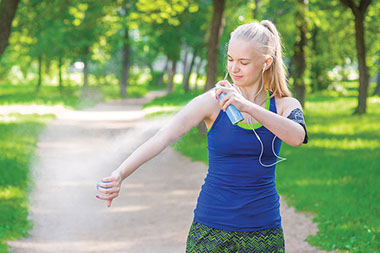
    Image of female spraying insect repellent on arm.

    Insects like mosquitoes and ticks may annoy you during a summer barbeque or camping trip. But an effective bug repellent does more than avoid an itchy inconvenience. It may help prevent you from getting sick. Mosquitoes and ticks may carry diseases that are dangerous to humans. Many ticks carry Lyme disease and mosquitoes may spread the West Nile and Zika viruses.

    To help keep mosquitoes away, use a repellent that’s been proven safe and effective by the CDC. Look at the label and choose a repellent with one of these active ingredients:

    *  DEET

    *  Picaridin

    *  IR3535

    *  Oil of lemon eucalyptus

    *  Para-menthane-diol

    The CDC recommends tick repellents that have one of the following active ingredients:

    *  DEET (20 to 30 percent): use on skin and clothing, but not under clothing.

    *  Permethrin: use on clothing and gear only.

    In addition to a repellent, there are other ways to avoid bugs:

    *  Avoid wooded and brushy areas when possible.

    *  Walk in the center of trails.

    *  Wear clothing that covers arms and legs.

    *  Minimize time outside at dawn and dusk, when mosquitoes are most active.

    *  Throw out standing water in tires, buckets, birdbaths or other outdoor items at least once a week.

    *  Do a full-body check for ticks after spending time outside.

    What to do if you spot a tick

    If you find a tick on your skin, it should be removed as soon as possible. Here’s what to do:

    *  Don’t panic.

    *  Use fine-tipped tweezers to grasp the tick as close to the skin’s surface as possible.

    *  Pull upward on the tick slowly and evenly. Don’t twist the tick or try to yank it out quickly.

    *  If parts of the mouth remain after you’ve tried to remove it, use the tweezers to try and get them out. If you can’t get them out, leave it alone so the skin can heal.

    *  After you’ve removed the tick, clean the bite area and your hands with soap and water, rubbing alcohol or an iodine scrub.

    *  If the tick is alive, don’t try to crush it. Instead, put it in alcohol or an airtight bag or container. You can also wrap it tightly in tape or flush it down the toilet.

    *  Ticks can also be removed by your doctor if you can’t get it out yourself.

    *  If you’ve been bitten by a tick, contact your doctor for follow-up care.

    © American Institute for Preventive Medicine

  • Wellness Gifts

    FAMILY LIFE

    Image of soccer ball with ribbon around it.

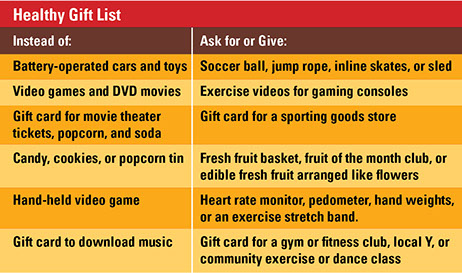
    Give presents that promote a healthy lifestyle. Keep health in mind when making your list and checking it twice.

    Ask for or give “Gift of Time Coupons” for shoveling snow, cooking a healthy meal, cleaning the house, and doing other active household chores throughout the year.

    © American Institute for Preventive Medicine
  • Cold Hearts (Why Shoveling Snow Is Extra Dangerous)

    WELL-BEING

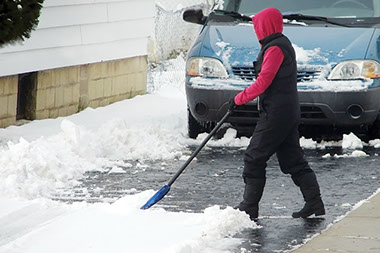
    Image of person shoveling snow from the driveway.

    While you may be used to battling frigid temperatures and the inevitable snowstorms that arrive every winter, are you aware of the dangers these pose to your heart?

    “When the temperature outside drops, our blood vessels narrow to prevent our bodies from losing heat. This is a natural response that can also put people with heart conditions and those involved in strenuous exercise at greater risk of having a heart attack,” says Dr. Holly Andersen of the Perelman Heart Institute at NewYork-Presbyterian Hospital/Weill Cornell Medical Center.

    Shoveling snow is one of the most strenuous and dangerous winter exercise activities. It can raise blood pressure, and coupled with the effects of colder temperatures, shoveling can increase heart attack risk drastically. Take these precautions:

    *Warm up.Warm up with stretching and light activity before shoveling, exercising or beginning more strenuous physical activities.

    *Bundle up.When going out to shovel, always wear a scarf over your mouth and nose to warm the air before you breathe in, and dress in layers. Layering clothes underneath a windproof and waterproof outer shell helps maintain body heat.

    *Push the shovel.It is less strenuous to push the snow rather than lifting it, and this reduces the risk of overexerting yourself.

    *Take breaks.You should take frequent breaks while shoveling to give your muscles, especially your heart muscle, a chance to relax. You may also consider sharing the work with a friend to make the workload lighter and ensure that you are not alone in the event of an emergency.

    *Consult a doctor.If you are over the age of 50, overweight, out of shape or have suffered a heart attack, you should consult a doctor before shoveling snow or starting any exercise routine.

    © American Institute for Preventive Medicine

  • When Petting Pets Causes Disease

    SELF-CARE CORNER

    Image of women with her dog.

    Salmonella, E. coli, and roundworms are among the nearly 20 different diseases that people most commonly get from their pets, said Jason Stull, assistant professor of veterinary preventive medicine at Ohio State. Infants, the elderly, pregnant women, and people with limited immune function are most at risk for animal-borne, or zoonotic, diseases.

    Since different species of pets-dogs, cats, rodents, birds, fish, reptiles, and amphibians-carry different types of diseases and at different stages of life, Stull and his colleagues suggest that families talk to both their doctor and veterinarian about what pet is the safest choice for their family.

    Here are some safe tips for pet ownership:

    *  Wear protective gloves to clean aquariums and cages and to remove feces.

    *  Wash hands after pet contact.

    *  Don’t let your pets lick your face.

    *  Cover playground sandboxes when not in use (cats love them).

    *  Avoid contact with higher risk animals such as reptiles, amphibians, and exotic animals.

    *  Regularly clean and disinfect animal cages, feeding areas, and bedding.

    *  Put litter boxes away from areas where food is eaten and prepared.

    *  Schedule regular veterinary visits.

    © American Institute for Preventive Medicine

  • Crowd Control

    MEDICAL NEWS

    Image of a crowd of people.

    Wherever there are crowds, such as at football games, conventions, or music concerts, there are germs. Mayo Clinic infectious diseases expert Dr. Gregory Poland tells how you can avoid illness when you’re in a large throng of people, even in subways and on airplanes.

    Whenever you’re in a venue with hundreds or thousands of people gathering, you automatically run increased risk for getting “something.” The people around you may not have the same immunization programs or the same standards of personal cleanliness or food safety, he said, especially if you’re in an international group.

    Besides illnesses such as whooping cough, measles, mumps, colds and flu, other heightened dangers in places with large numbers of people passing through include respiratory diseases such as tuberculosis; vermin such as head lice and bedbugs; food-borne sickness such as E. coli, salmonella, hepatitis A and traveler’s diarrhea; and skin conditions including athlete’s foot and staph infections.

    Dr. Poland offers these tips for sidestepping illness:

    *  Keep your vaccines up to date: The most important ones include the MMR vaccine for measles, mumps and rubella; the seasonal flu shot; and a relatively new vaccine called Tdap, for tetanus, diphtheria, and whooping cough.

    *  Wash your hands thoroughly with soap and hot water or an alcohol-based hand sanitizer.

    *  Dine carefully: If it’s not cooked well, boiled or peeled, forget it. Make sure food that is supposed to be hot is served hot and food that is supposed to be cold is served cold, and make sure dishes and utensils are clean.

    *  Wear shower/pool shoes when using the shower or pool in public places.

    *  Avoid swimming pools, hot tubs, or whirlpools unless you are certain they are properly maintained, and it’s hard to tell.

    *  Don’t smoke: It raises the odds you’ll get Legionnaires’ disease if you’re exposed to the legionella bacteria and can also make you more susceptible to respiratory illnesses in general.

    *  Don’t try on hats in stores to minimize the risk of getting head lice. If you buy a hat, seal it in a plastic bag to carry it home, then freeze it for several days or launder it before wearing.

    *  Scout for bedbugs in a hotel room, and once in a room, only place your luggage on wooden surfaces or in the bathtub, not on the floor, bed, chair or couch until you determine whether bedbugs are present.

    *  Be an advocate for your health: If someone near you is obviously ill, move away if you can, or ask to be reseated.

    © American Institute for Preventive Medicine
  • Why Do Mosquitoes Always Bite Me?

    MEDICAL NEWS

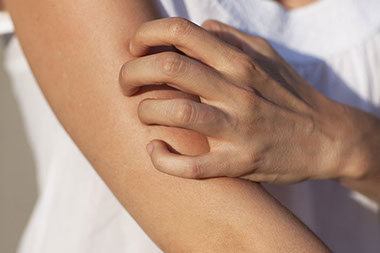
    Close up image of person itching arm.

    It has to do with how you smell, but scientists still don’t know why some breeds are attracted to different smells, said Jason Pitts, professor of biological sciences at Vanderbilt University.

    The source of the aromatic compounds that produce body odor are bacterial colonies that exist on human skin, particularly in dark, moist areas such as the armpits and between the toes. Pitts and his colleagues have discovered that mosquito antennae are filled with hundreds of tiny odor receptors, which are individually tuned to detect specific odors.

    Just as mosquitoes may love you, they may not love natural repellants such as clove oil, citronella, lemon grass, eucalyptus, castor oil, peppermint, lavender, and cedar oil. But almost all of these are less effective than the synthetic repellant DEET, and they need to be reapplied more frequently.

    Bet you didn’t know these pesky insects have a long-range system that allows them to track down potential prey from more than 100 yards away. The mosquitoes do so, in part, by sensing the carbon dioxide in human breath. When we exhale, our breath contains more carbon dioxide than the surrounding air, and mosquitoes can detect this difference-especially if you’ve had a beer or other alcoholic drink.

    To avoid mosquito bites, CDC gives the following advice:

    *  Use an insect repellant when you go outdoors. The FDA approves ones with DEET, picaridin. IR3535, and oil of lemon eucalyptus. Follow the product label’s directions.

    *  As much as possible, wear long sleeves, long pants, and socks. For extra protection, spray clothes, not your skin, with repellant that contains permethrin.

    *  Avoid outdoor activities from dusk to dawn or take extra care to use insect repellant and protective clothing during these times.

    *  Keep mosquitoes outside the house. Use screens on windows and doors or use air conditioning.

    *  On a regular basis, empty water that collects in outdoor buckets, flowerpots, pool covers and bird baths. Mosquitoes like stationary water.

    © American Institute for Preventive Medicine

  • The Dangers Of Distracted Driving

    WELL-BEING

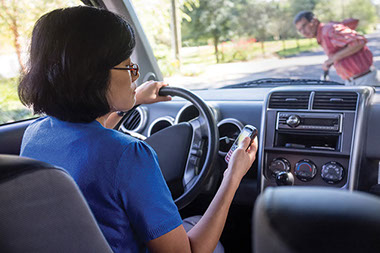
    Image of women driving while looking at her phone about to hit a pedestrian.

    Though driving a car may seem like a simple task, it requires quick reflexes, concentration and reasoning. When a driver is distracted, some – or all – of these important skills can be lost.

    Distracted driving means the driver is doing something other than focusing on the road ahead. It can be anything that takes the driver’s mind off of driving, hands off the wheel or eyes off the road. In the age of smartphones, tablets and other electronic devices, it’s easy to get distracted when driving – even for just a second.

    Though it seems harmless, a quick glance at a phone to read a text can be dangerous or even deadly. The National Highway Traffic Safety Administration (NHTSA) says sending or reading a text takes your eyes off the road for 5 seconds. That’s like driving the length of an entire football field with your eyes closed if you’re going 55 miles per hour. In that amount of time, a driver can hit a pedestrian, run a red light or stop sign, or crash into another vehicle.

    The NHTSA says nearly 3,500 people died and almost 400,000 were injured in 2015 due to distracted driving crashes. Here’s what we can do to help stop distracted driving:

    *  Never use a phone while driving. Put it in the back seat or out of reach to reduce the urge to look at it “just for a second.”

    *  Talk with your teens about distracted driving and tell them that the texts can wait. Lead by example.

    *  Sign a pledge to not drive distracted and stick to it. Ask family members and friends to sign it too. The “It Can Wait” pledge is available atitcanwait.usaa.com.

    Did you know?

    There are laws that prohibit distracted driving. Talking on a hand-held cellphone while driving is banned in 15 states and the District of Columbia. Text messaging is banned for all drivers in 47 states and the District of Columbia.

    To learn about your state laws, go towww.iihs.org/iihs/topics/laws/cellphonelaws.

    © American Institute for Preventive Medicine