Tag: Personal Security

  • Why You Should Check Your Social Security Statement

    FINANCIAL HEALTH

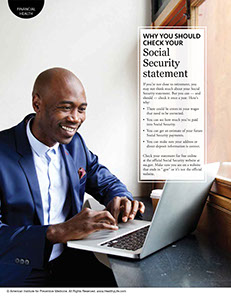
    Man smiling while using the computer.

    If you’re not close to retirement, you may not think much about your Social Security statement. But you can – and should – check it once a year. Here’s why:

    *  There could be errors in your wages that need to be corrected.

    *  You can see how much you’ve paid into Social Security.

    *  You can get an estimate of your future Social Security payments.

    *  You can make sure your address or direct deposit information is correct.

    Check your statement for free online at the official Social Security website atssa.gov. Make sure you are on a website that ends in “.gov” or it’s not the official website.

    © American Institute for Preventive Medicine

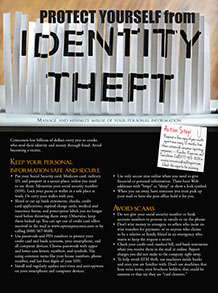
  • Protect Yourself From Identity Theft

    Financial Health

    Manage and minimize misuse of your personal information

    Consumers lose billions of dollars every year to crooks who steal their identity and money through fraud. Avoid becoming a victim.

    Keep your personal information safe and secure:

    *  Put your Social Security card, Medicare card, military ID, and passport in a secure place, unless you need to use them. Memorize your social security number (SSN). Lock your purse or wallet in a safe place at work. Or carry your wallet with you.

    *  Shred or cut up bank statements, checks, credit card applications, expired charge cards, medical and insurance forms, and prescription labels you no longer need before throwing them away. Otherwise, keep them locked up. You can opt out of credit card offers received in the mail atwww.optoutprescreen.comor by calling (888) 567-8688.

    *  Use passwords and PIN numbers to protect your credit card and bank accounts, your smartphone, and all computer devices. Choose passwords with upper and lower case letters, numbers, and symbols. Nix using common items like your house numbers, phone number, and last four digits of your SSN.

    *  Install and regularly update anti-virus and anti-spyware on your smartphone and computer devices.

    *  Use only secure sites online when you need to give financial or personal information. These have Web addresses with “https” or “shttp” or show a lock symbol.

    *  When you are away, have someone you trust pick up your mail or have the post office hold it for you.

    Avoid scams:

    *  Do not give your social security number or bank account numbers to persons in emails or on the phone.

    *  Don’t wire money to strangers, to sellers who insist on wire transfers for payment, or to anyone who claims to be a relative or family friend in an emergency who wants to keep the request a secret.

    *  Check your credit card, medical bill, and bank statements when you receive them in the mail or online. Report charges you did not make to the company right away.

    *  To help avoid ATM theft, use machines inside banks and ones you are familiar with. Don’t use machines that have extra items, even brochure holders, that could be cameras or that say they are “card cleaners.”

    Action Step

    Request a free copy of your credit report once every 12 months from three nationwide consumer reporting companies – Equifax, Experian, and TransUnion. Call (877) 322-8228. Check the reports for accuracy.

    Ways to Well-Being book by the American Institute for Preventive Medicine. www.HealthyLife.com. All rights reserved.

    © American Institute for Preventive Medicine

  • Be Smart About Credit Card Offers

    FINANCIAL HEALTH

    Image of man getting mail from mailbox.

    Offers in the mail

    Credit card companies, auto loan companies and other lenders can get a list of names for their credit card offers. They get information from credit reporting agencies about people who have a minimum credit score. Then, they use that list to send out offers for a new card.

    Saying “no” to mail offers

    If you are receiving credit card offers in the mail and don’t want them, there are two things you can do.

    You can opt out of credit card offers for five years. Call 1-888-5-OPTOUT  (1-888-567-8688) or visitoptoutprescreen.com. To opt out forever, you must download and mail a signed paper form. You can get the form on the opt-out website.

    Beware – the opt-out feature only works for certain credit card offers, though. Companies may get your name if they have done business with you before. They may also get your name from other sources that aren’t connected to the credit reporting agencies, such as memberships or subscriptions.

    Why is my child getting a credit card offer?

    Sometimes, a person under 21 years of age gets a credit card offer in the mail. This may happen if the company purchased a list of names and didn’t know that the person was not an adult. But, credit card companies cannot intentionally send their offers to people under 21 years old without permission.

    Phone calls

    Like mail offers, credit card companies can get your name from credit agencies and call you with an offer. You can register your number with the National Do Not Call Registry to stop these calls. Visitwww.donotcall.govor call 1-888-382-1222 to put your phone number on the do not call list.

    What is a prescreened credit card offer?

    Credit card companies can find out if you have a certain credit score. Then, they can offer you a credit card based on that information. This is known as a prescreened offer because they already have some information about your credit. It is not a guarantee that you will get the card. You still have to apply for it and be approved.

    Source: Consumer Financial Protection Bureau

    © American Institute for Preventive Medicine

  • Tips For Filing Taxes

    FINANCIAL HEALTH

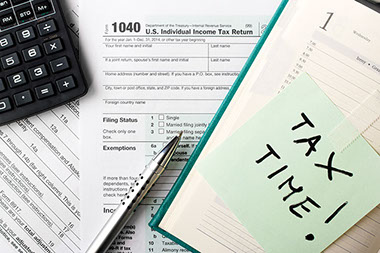
    Image of paper work for taxes.

    April 15 is Tax Day. Everyone must file their taxes by this day or file for an extension. Don’t get overwhelmed. These tips can help you get started.

    Get all your papers together

    You’ll need all your income records. This may include a W-2 from each employer, a 1099 for other income you made, and records of any other revenue even if you don’t have a form. You’ll also need all the paperwork that supports your tax deductions. Try to gather all these papers early so you have more time to get them in order before you file your taxes.

    Check IRS.gov

    The IRS website has help for people filing their taxes. There are FAQ’s, forms you may need, and helpful interactive tools.

    Double check

    If there’s a mistake on your taxes, your refund may be delayed. Double check social security numbers. The IRS says this is one of the most common mistakes.

    If you owe taxes, but can’t pay it all right now, don’t panic. Go toIRS.gov/payments. You may be able to set up a payment plan or ask the IRS to delay tax collection.

    © American Institute for Preventive Medicine

  • Beware Of “Free” Trials

    FINANCIAL HEALTH

    Image of the words "Scam Alert"

    We’ve all seen offers for “free trials” of products or services. It seems like a good idea because if you don’t like it, you can just end the trial and pay nothing, right?

    Not necessarily. Here are some of the ways dishonest companies may use these trial offers:

    *  They make it hard for the consumer (you) to cancel. Perhaps you need to call a phone number, but you can’t get anyone to answer or they put you on hold for long periods.

    *  They hide the terms and conditions in tiny type that’s hard to read.

    *  They use pre-checked boxes as the “default” setting online.

    *  They have extremely strict rules about returning and canceling something.

    *  They charge you for shipping and handling. This means they now have your credit card number, making it easy for them to charge you for something later.

    *  They automatically enroll you in a club or subscription that sends you things each month. Or, the subscription automatically renews without your consent.

    Even with honest and good business practices, you’ll still need to cancel or take some other action before the trial ends. If you don’t, the company may take this as a go-ahead to charge you for something you may not want.

    Avoiding Scams

    Not all free trials are scams. But, before you sign up for one, take these steps:

    *Research the company online.Look for customer complaints about their service or trial offers.

    *Read the terms and conditions.If you can’t find them, don’t sign up.

    *Beware of pop-ups.A pop-up on a website may be from a different company. Be sure you deal with the company you really want.

    *Watch out for pre-checked boxes.A little checkmark may give your consent to continue the offer past the free trial or to sign up for more products.

    *Mark your calendar.Be sure you are ready to cancel your trial before it expires. Plan to do this at least a couple of days in advance so you are well within the time limit.

    *Check your credit and debit card statements.If you see unknown charges, contact the company. If that doesn’t work, contact your credit card company to dispute the charge.

    If you’ve been wrongly charged for a free trial offer, report it to the Federal Trade Commission. You also can contact your local consumer protection agency, and file a complaint with the Better Business Bureau.

    Source: Federal Trade Commission

    © American Institute for Preventive Medicine

  • Learn How To Check Your Credit Report

    FINANCIAL HEALTH

    Image of finger pointing to the words 'Credit Report'

    The Consumer Financial Protection Bureau says everyone should check their credit report at least once a year. The information on your credit report could affect your ability to get a mortgage, car loan, a credit card or other loans. It can also affect the interest rate you get. Usually, a higher credit score makes it easier for you to get a loan and a lower interest rate. Most credit scores range from 300-850.

    You are entitled by law to a free report from all three credit reporting agencies (Equifax, Experian and TransUnion) once every 12 months. Take advantage of it – and check it over carefully when you receive it.

    But what should you look for when you get your report? Errors can happen, so be on the lookout for:

    *  Wrong name, phone number or address

    *  Accounts that don’t belong to you (this can happen when two people have similar names, or as a result of identity theft)

    *  Closed accounts reported as open

    *  Being listed as owner of an account where you are only an authorized user

    *  Accounts incorrectly reported as late or delinquent

    *  Wrong dates of payments, when the account was open or delinquency dates

    *  Same loan or debt listed multiple times (possibly with different names)

    *  Past errors that were corrected that may show up again

    *  Incorrect current balance or credit limit

    *  Accounts that appear more than once with different creditors listed (especially in the case of delinquent accounts or accounts in collections)

    If you find errors, contact:

    *  The credit reporting company who sent you the report, or

    *  The creditor or company that provided the incorrect information. This is known as the “furnisher” of the information.

    Your credit report tells you how to dispute inaccurate information. Sample dispute letters are available atwww.consumerfinance.gov. Go to Consumer Tools, then click on Credit Reports and Scores. You can use these letters if you find something incorrect on your credit report.

    How do I get my report?

    Many websites claim to offer free credit reports. But, some of them are trying to sell other products or services. To get your free credit report authorized by federal law, visit:

    *  AnnualCreditReport.com, or

    *  Call 1-877-322-8228

    This website offers free reports only, not scores. Your credit score is available for a fee. You do not have to buy any products or services advertised onannualcreditreport.com.

    You can also contact the credit agencies directly if you have questions or problems with your report:

    *  Equifax: 1-866-349-5191

    *  Experian: 1-888-397-3742

    *  TransUnion: 1-800-916-8800

    © American Institute for Preventive Medicine

  • Protect Your Personal Information

    FINANCIAL HEALTH

    Image of laptop with shield and lock key.

    Identity theft is a serious crime. It happens when someone steals your personal information such as your social security number or credit card numbers and uses it without your permission. You may see mistakes or mystery charges on your bank, credit card, or other account statements. You may receive bills for products or services you never received. Protect your personal information, urges the Federal Trade Commission. Get detailed information online atwww.ftc.gov/idtheft.

    *Keep your important papers secure.Limit what you carry in your wallet or purse. Pick up new checks at the bank instead of having them mailed to your home. Take outgoing mail to a collection box or the post office. Don’t leave it in your mailbox. Shred sensitive documents, receipts, credit card offers, insurance forms, checks, bank statements, and similar documents.

    *Secure your social security number.Only give it out when necessary (and ask if you can use a different kind of identification).

    *Protect your computer and mobile devices.Use anti-virus software. Don’t open files or click on links sent by strangers. Remove the memory cards from mobile devices before recycling them.

    *Protect your data online.Keep your passwords private. Don’t over share on social networking sites. If you post too much information about yourself, an identity thief can use that information to answer challenging questions on your accounts (birthdays, mother’s name, pet names, high school).

    © American Institute for Preventive Medicine

  • Protect Yourself From Medical Identity Fraud

    MEDICAL NEWS

    Image of money and a stethoscope.

    It’s America’s fastest growing identity crime. DHHS says health care data hacking has affected more than 34 million Americans. Stolen records provide information for tax and insurance fraud.

    “When someone steals your medical identity, they corrupt your individual health record, so the next time you receive care your doctor can be working off a file riddled with bad information,” say ID Experts, a medical software provider.

    Use these wise fraud protection tips.

    *  Protect your health insurance card as carefully as you would your Social Security or credit cards. Theft of these cards allows someone to assume your identity to receive care. Treat their loss as seriously as a missing credit card; notify your insurance company and include it on any police report you file.

    *  Never share your insurance with a friend or family member. When someone pretends to be you to receive health care, your lifetime medical records become compromised. This can lead to a future misdiagnosis, a prescription mistake, or other inappropriate treatment.

    *  Use strong passwords on patient portals and change them often.

    *  Be observant in medical offices. Don’t just fill out the HIPAA policy form and then assume your provider is being careful. Raise concerns, like medical records sitting open on desks or unattended and unlocked computer terminals.

    *  Do NOT provide your medical information to someone who calls or emails you about your “possible involvement in a recent breach.”

    © American Institute for Preventive Medicine

  • Shopping Online Safely

    FINANCIAL HEALTH

    Image of couple shopping online.

    Using your computer, tablet or smartphone to shop can be quick and convenient. But, the internet is full of websites that aren’t trusted places to shop. To keep your personal information and money safe, follow these steps before you shop online:

    *Use major companies that you know.Look for a company address, phone number, and email. Read online reviews before buying.

    *Research the return policy.Can you get a full refund if you aren’t satisfied? What does it cost to send it back?

    *Know what shipping will cost.Be sure you know what the cost will be before you place the order. Shipping costs should be clearly listed on the website.

    *Never use cash.If you pay by credit card, your purchase is protected by the Fair Credit Billing Act. This means you can dispute charges you didn’t make. You may also be protected from having to pay for unauthorized charges if your card number is stolen.

    *Compare your credit card statement and your online receipt.Be sure the costs match.

    *Don’t use email for sending financial information.Email isn’t secure and someone could steal your information this way.

    Beware of fake online reviews

    You see a product online that has hundreds of glowing reviews. It must be great, right? Not necessarily. In fact, some companies have been sued by the FTC for providing fake online reviews. Some companies even pay people to write great reviews for their products, or delete negative reviews on their site.

    Take any online reviews with a grain of salt. If they seem too good to be true, they probably are. Almost any product will have some positive, neutral and negative opinions. If it doesn’t, this may be a red flag for a scam.

    Source: Federal Trade Commission

    © American Institute for Preventive Medicine

  • Smart Ways To Avoid Cybercrime

    FINANCIAL HEALTH

    Close up image of hands typing on laptop.

    Cybercrime is a growing problem as we rely on computers and the Internet more than ever before. Many people regularly shop online, send personal information, and even control appliances or household security over the Internet.

    Though this offers convenience, it’s important to take steps to keep your information and your family safe from cybercrime. Cybercrime happens every day with hackers stealing bank information, using computers to attack others, or erasing important online information.

    The U.S Department of Homeland Security recommends:

    *  Only use the Internet on a network that is password protected. Free or open networks may leave you vulnerable.

    *  Do not send personal information, such as your social security number or bank information, over the Internet. Companies will not ask you to send information this way.

    *  Do not open or respond to emails from people you don’t recognize and never click on the links inside the email.

    *  Use long, hard-to-guess passwords for all your devices and email accounts. Change your passwords regularly.

    *  Consider scaling back your social media sharing. Tighten privacy settings so only people you know well can see your activity.

    *  If you see an email or online offer that seems too good to be true, it’s probably a scam.

    © American Institute for Preventive Medicine