Tag: policy

  • Breastfeeding And Work

    WORK LIFE

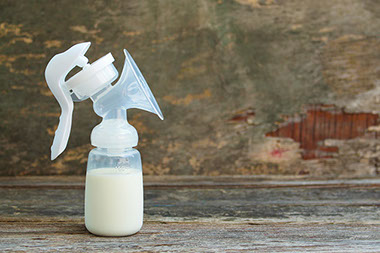
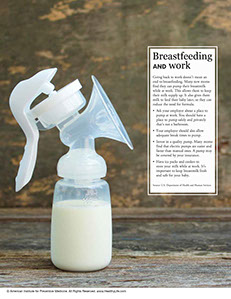
    Breast pump bottle filled with milk.

    Going back to work doesn’t mean an end to breastfeeding. Many new moms find they can pump their breastmilk while at work. This allows them to keep their milk supply up. It also gives them milk to feed their baby later, so they can reduce the need for formula.

    *  Ask your employer about a place to pump at work. You should have a place to pump safely and privately that’s not a bathroom.

    *  Your employer should also allow adequate break times to pump.

    *  Invest in a quality pump. Many moms find that electric pumps are easier and faster than manual ones. A pump may be covered by your insurance.

    *  Have ice packs and coolers to store your milk while at work. It’s important to keep breastmilk fresh and safe for your baby.

    Source: U.S. Department of Health and Human Services

    © American Institute for Preventive Medicine

  • Importance Of A Drug-Free Workplace

    WORK LIFE

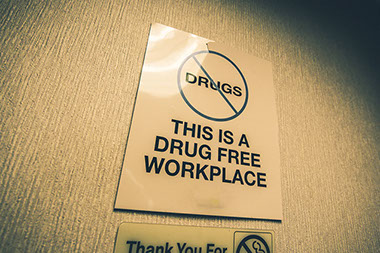
    Sign that says "This is a drug free workplace."

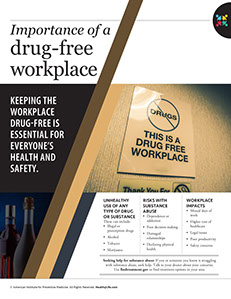
    Keeping the workplace drug-free is essential for everyone’s health and safety.

    Unhealthy use of any type of drug or substance

    These can include:

    *  Illegal or prescription drugs

    *  Alcohol

    *  Tobacco

    *  Marijuana

    Risks with substance abuse

    *  Dependence or addiction

    *  Poor decision making

    *  Damaged relationships

    *  Declining physical health

    Workplace impacts

    *  Missed days of work

    *  Higher cost of healthcare

    *  Legal issues

    *  Poor productivity

    *  Safety concerns

    Seeking help for substance abuse: If you or someone you know is struggling with substance abuse, seek help. Talk to your doctor about your concerns. Usefindtreatment.govto find treatment options in your area.

    © American Institute for Preventive Medicine

  • Check Your Health Insurance Coverage

    Healthy Travel

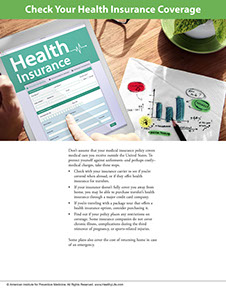
    Image of Health Insurance form on tablet.

    Don’t assume that your medical insurance policy covers medical care you receive outside the United States. To protect yourself against unforeseen-and perhaps costly-medical charges, take these steps.

    *  Check with your insurance carrier to see if you’re covered when abroad, or if they offer health insurance for travelers.

    *  If your insurance doesn’t fully cover you away from home, you may be able to purchase traveler’s health insurance through a major credit card company.

    *  If you’re traveling with a package tour that offers a health insurance option, consider purchasing it.

    *  Find out if your policy places any restrictions on coverage. Some insurance companies do not cover chronic illness, complications during the third trimester of pregnancy, or sports-related injuries.

    Some plans also cover the cost of returning home in case of an emergency.

    Page image from A Year of Health Hints book by the American Institute for Preventive Medicine. www.HealthyLife.com. All rights reserved.

    © American Institute for Preventive Medicine

  • Health Insurance Checklist

    Medical Care

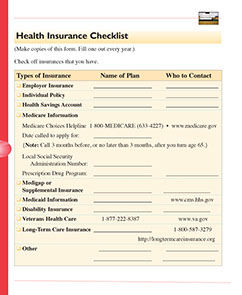
    (Make copies of this form. Fill one out every year.) Check off insurances that you have.

    Page from the Health at Home Lifetime book by the American Institute for Preventive Medicine. www.HealthyLife.com. All rights reserved.

    © American Institute for Preventive Medicine

  • Going Back To Work After A Leave

    WORK LIFE

    Image of 2 construction workers.

    Many people take a leave of absence from work at some point. It could be for a life event, such as maternity or paternity leave, or because of an illness. A leave of absence is usually an extended period of time off that goes beyond vacation or other type of leave.

    No matter how long your leave is, going back to work can be a big adjustment and cause you plenty of anxiety. But, you can make the transition smoother if you prepare for your new routine. Try these tips:

    *  Get organized. A week or two before you go back, start jotting down things you will need to do every day. Whether it’s packing lunches, walking the dog or dropping kids off at daycare, it helps to have it all written down to feel more in control of the situation. You can then create a schedule or to-do list which helps make it more manageable.

    *  Start moving back to your work schedule. It can be quite a shock to go back to a 6 a.m. work shift if you’ve been staying up late. At least two weeks before you go back, start transitioning your sleep schedule. Give your body time to adjust to getting up at that same time and change your bedtime accordingly. Aim for seven to eight hours of sleep so you can feel rested and productive.

    *  Allow for extra time in the morning. Set your alarm for earlier than you think you need to. You’ll be glad to have the extra time without rushing in the morning. Or, you may find that it takes you longer to get ready than you thought.

    *  Talk with your supervisor before going back. You can discuss your specific job duties and schedule. And, you can touch base about any changes or updates that may have taken place while you were gone. This could save you time and stress on your first day back.

    *  Discuss breastfeeding in advance. Moms who plan to pump breastmilk at work should ask their supervisor or human resources department about this before going back. Come up with a pumping schedule that works for you and your employer. Discuss where you can pump. You’ll need a clean and private area with access to a sink.

    Going back to work can be less stressful with some planning and open discussion with your employer. Don’t wait until you go back to deal with these questions and details.
    © American Institute for Preventive Medicine

  • Sick Days: When To Stay Home

    WORK LIFE

    Image of young women in bed sick.

    You’re feeling under the weather, but you don’t want to miss work. What should you do? In some cases, it may be okay to go to work when you’re not feeling 100 percent. But other times, you should make your wellness a priority. These guidelines can help you decide if you’re well enough to work:

    Fever:

    The CDC recommends you stay home for 24 hours after your fever is gone. This helps minimize the spread of illness to others. You should also skip social gatherings, shopping, and other outings.

    Sniffles and sneezing:

    Many people simply can’t miss work every time they have a minor cold. Let your symptoms be your guide. If you’re feeling well enough to work and don’t have other symptoms, such as a fever or body aches, you can go to work if necessary. But, if you have fatigue or feel that you won’t be able to safely do your job, consider using sick time.

    Vomiting or diarrhea:

    Stomach-related illnesses such as norovirus are highly contagious. Even after you stop vomiting, you could get other people sick. If you serve or prepare food as part of your job, the CDC says you should stay home for at least 48 hours after your symptoms stop.

    Remember that staying home from work may help you to recover more quickly, as your body needs rest to fight an illness. In addition, staying home will help avoid spreading illness to co-workers, customers, and others you encounter.

    Choosing to stay home may also depend on your employer’s sick day policies. Make sure you are familiar with these and abide by them.

    © American Institute for Preventive Medicine