Abdominal & Urinary Conditions
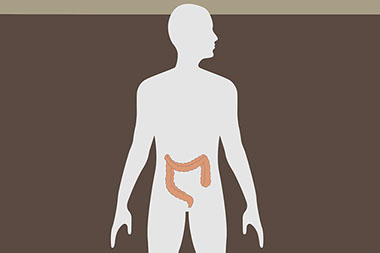
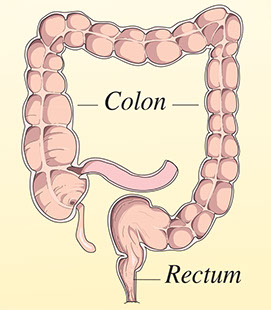
The colon and rectum form the large bowel. The colon is the upper 5 to 6 feet. The rectum is the last 6 to 8 inches. When abnormal cells grow in the colon, a cancerous tumor may form. Colon tumors grow slowly. They may get big and block the bowel.
Signs & Symptoms
Colon and rectal cancers can occur without clear symptoms. For this reason, screening is important. When symptoms occur, they include:
* A change in bowel habits for 2 or more weeks or constipation or diarrhea for 1 or more weeks.
* Frequent gas pains, cramps, bloating, or feelings of fullness in the abdomen
* Red or dark blood in or on the stool or rectal bleeding. Pencil thin stools.
* Fatigue and/or iron deficiency anemia in men and older women
* A feeling that the bowel does not empty completely
* Weight loss for no known reason
Causes, Risk Factors & Care
Risk factors for colon and rectal cancers:
* Polyps (benign growths that can become cancerous over time). Most colon and rectal cancers develop from polyps.
* Family history of colon or rectal cancer. Unless it is treated, an inherited condition called Familial Polyposis puts a person at a very high risk.
* Having ulcerative colitis or Crohn’s disease.
* Aging. Colon and rectal cancers occur most often in people over age 50.
* Smoking. Heavy alcohol use.
* Eating a diet high in animal fat and low in fiber
* Lack of exercise and/or being very overweight
Finding and treating the cancer early is vital. Treatment includes surgery, chemotherapy, and radiation therapy.
Self-Care / Prevention
Self-Care:
* Schedule and go to follow-up exams.
* Join a cancer support group.
* Follow a high fiber, low-fat diet. Eat whole-grain breads and cereals. Have at least 5 servings of vegetables and fruits a day.
Prevention
Colon and rectal cancers are completely curable if found early. Have screening tests as advised by your doctor.
* High-sensitivity fecal occult blood test
* Flexible sigmoidoscopy
* Colonoscopy
How often testing needs to be done depends on the test(s) given. {Note: If you have a family history of colon polyps or colon or rectal cancers, screening tests may need to be started sooner than age 50.}
* Have colon polyps removed.
* Eat plenty of fruits, vegetables, and whole grains. Limit fat.
When to Seek Medical Care
Contact Doctor When:
* You have any symptoms of colon and rectal cancer listed on this page.
* You need to schedule screening tests for colon and rectal cancer. Follow the schedule your doctor advises.
Resources
The National Cancer Institute
800.4.CANCER (422-6237)
The American Cancer Society
800.227.2345
© American Institute for Preventive Medicine