Tag: portion control

  • Control Portion Sizes

    Weight Control

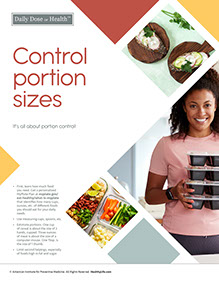
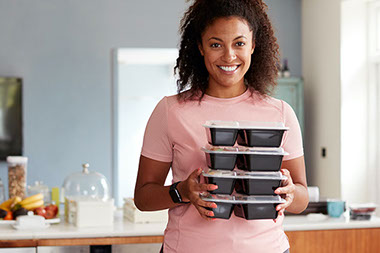
    Smiling women holding 4 pre-prepped meals.

    It’s all about portion control!

    *  First, learn how much food you need. Get a personalized MyPlate Plan atmyplate.gov/eat-healthy/what-is-myplatethat identifies how many cups, ounces, etc. of different foods you should eat for your daily needs.

    *  Use measuring cups, spoons, etc.

    *  Estimate portions. One cup of cereal is about the size of 2 hands, cupped. Three ounces of meat is about the size of a computer mouse. One Tbsp. is the size of 1 thumb.

    *  Limit second helpings, especially of foods high in fat and sugar.

    Page from HealthyLife Weigh book by the American Institute for Preventive Medicine. www.HealthyLife.com. All rights reserved.

    © American Institute for Preventive Medicine

  • Navigate The Holiday Buffet

    Nutrition

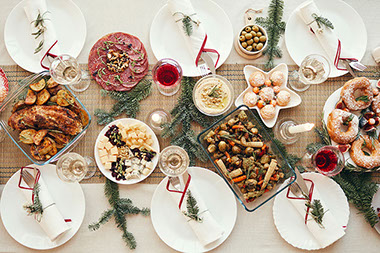
    Table filled with different food dishes.

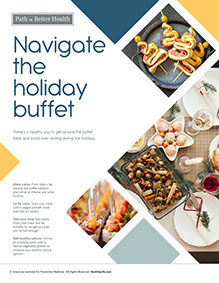
    There’s a healthy way to get around the buffet table and avoid over-eating during the holidays.

    *Make a plan:First, take a lap around the buffet table to plan what to choose and what to limit.

    *Go for color:Start your meal with a veggie-packed salad with lots of variety.

    *Take your time:Eat slowly. Enjoy your meal and be mindful to recognize when you’ve had enough.

    *Add healthy options:Arrive at a holiday party with a festive vegetable platter to increase your healthy choice options.

    Page from HealthyLife Weigh book by the American Institute for Preventive Medicine. www.HealthyLife.com. All rights reserved.

    © American Institute for Preventive Medicine

  • Eat Less Without Being Hungry

    HEALTHY EATING

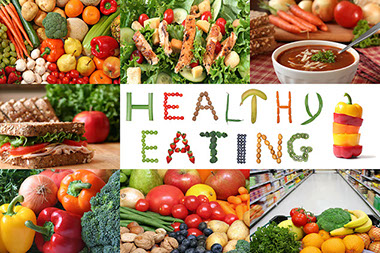
    Image of fruits, vegetables, soup and a sandwich with the words "Healthy Eating".

    If you’re trying to lose weight, you may already know that you need to cut calories. If you consume more calories than your body needs, it stores those extra calories as fat. To lose weight, you actually have to eat fewer calories than your body needs.

    But cutting calories isn’t always easy. Many people don’t stick with diets because of one main reason: hunger. The body’s hunger signals are nearly impossible to ignore. Your stomach growls, you feel tired, and you can’t concentrate. Over time, your hunger becomes harder to fight, and you may give up on your diet or overeat.

    It doesn’t have to be this way. You can eat enough food to stay satisfied while still cutting calories. Experts say it’s the amount and types of food you eat, not the number of calories that fills you up. The key is to choose “low-energy-dense foods,” or foods low in calories that can still satisfy your hunger, according to the CDC. In general, these types of foods have lots of water content, high fiber, and/or very little fat.

    Some of the best low-energy-dense foods include:

    *  Fresh fruits and vegetables

    *  Beans and legumes

    *  Low-fat or fat-free dairy foods

    *  Broth-based soups (not cream-based ones)

    *  Whole grains (look for whole grains and fiber on the food label)

    Think about a side-by-side comparison of low- versus high-energy-dense foods. One cup of french fries has 168 calories. But, one cup of salad with a tablespoon of low-calorie dressing has only 30 calories. You’ve just eaten the same amount of food, and slashed your calorie intake by more than 80 percent.

    It’s also a good idea to keep track of what you eat each day, so you have a clear picture of how many calories you’re consuming. The ChooseMyPlate website atwww.choosemyplate.govhas resources to help you focus on eating the right foods and making gradual, realistic changes to your diet for better health. No crash diets or hunger pangs are needed!

    © American Institute for Preventive Medicine

  • What Is A Serving Size, Anyway?

    HEALTHY EATING

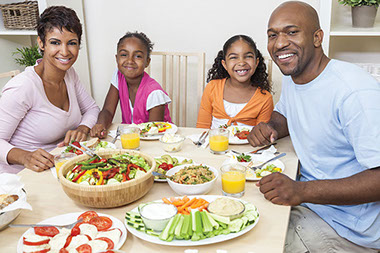
    Image of family eating dinner.

    Even if you know you need to eat smaller portions, that’s only part of the battle. You’ll need to learn how to recognize serving sizes of foods so you can put the right amount on your plate each day. Here’s a list of food group servings to help:

    Vegetables

    Fresh, frozen or canned: 5 servings per day

    Leafy greens: 1 cup

    Cut-up vegetables: ½ cup

    Cooked beans or peas: ½ cup

    100% vegetable juice: ¼ cup

    Fruits

    Fresh, frozen, canned, or dried: 4 servings per day

    Whole fruit: 1 medium fruit

    Cut-up fruit: ½ cup

    100% fruit juice: ¼ cup

    Dried fruit: ¼ cup

    Grains

    6 servings per day

    Bread: 1 slice (a 2-slice sandwich is 2 servings of grains)

    Pasta or rice uncooked: 1 oz (⅛ cup)

    Cooked rice, pasta, or cereal: ½ cup

    Popcorn: 1 oz. (⅛ cup) uncooked

    At least half should be whole grain and high in fiber.

    Dairy

    (or non-dairy milks with added calcium and vitamin D): 3 servings per day

    1 cup milk or yogurt

    1.5 oz. cheese (size varies depending on the type of cheese)

    Meat & poultry

    8 to 9 servings per week

    3 oz. cooked meat or poultry, about the size of a deck of cards

    1 egg or 2 egg whites

    Choose lean meats with skin and fat removed.

    Nuts, seeds, beans & legumes

    5 servings per week

    Nut butter: 1 Tbsp.

    Nuts or seeds: 2 Tbsp.

    Seafood/fish

    2-3 servings a week

    3 oz. cooked seafood, about the size of a checkbook

    Choose fish that provides omega-3 fatty acids. Pregnant women should ask their doctors about safe types of fish to eat.

    Fats & oils

    3 servings per day

    Vegetable oil, margarine, dressing: 1 Tbsp.

    To help with portion sizes, you may wish to find out how many calories you should be eating. Use the National Institutes of Health Body Weight Planner atwww.supertracker.usda.gov. Keep this number in mind as you eat throughout the day.

    Source: American Heart Association
    © American Institute for Preventive Medicine