Tag: prep

  • Kitchen Shortcuts For Faster Homemade Meals

    HEALTHY EATING

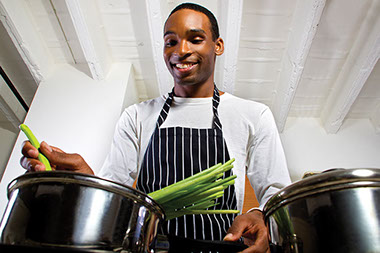
    Image of man prepping food in the kitchen.

    It’s hard to find time to get a home-cooked meal on the table when meal times come around. Many people are juggling work, responsibilities with family, housework and kids’ activities, to name a few.

    Plus, for those who aren’t experts in the kitchen, cooking dinner can seem like an impossible task. But, if you learn to take some shortcuts, it can be easier than you think. Try these tips to help you make a homemade meal with fewer hassles:

    *Purchase a few meals at once.If you can’t shop for a whole week, aim for three meals. Get the ingredients for those meals, and you’ll be ready for half of your week without any extra trips to the store.

    *Do a big chopping session.Clean and chop all veggies and fruits at once while you’ve got out your cutting board and knife. Then, put the ingredients in bags or containers with lids, and put them in the fridge or freezer. Once you’re ready to cook dinner, your chopped ingredients are ready to be cooked or thrown into the dish you’re preparing.

    *Freeze extra.Consider buying extra onions, carrots, green beans, or other veggies that frequently need to be chopped. Chop up more than you need, put the extras in freezer bags, and freeze until the next time you need them.

    *Make a big batch of rice or whole grains.When cooking rice, quinoa, or other grains, cook extra, place it in bags, and freeze. Simply thaw and microwave your grains when you’re ready to use them.

    *Plan ahead.Tackle the next meal before you go to bed the night before. Start thawing any frozen meats or other ingredients in the fridge. Make sure you have the ingredients and recipe you need for the next day.

    *Double up.Whenever possible, make a double recipe and freeze the extra. Soups, stews, meats and tomato-based sauces often freeze well. Frozen leftovers make a quick and nutritious meal on a busy night.

    *Check out make-ahead meals for the slow cooker.You can find slow cooker freezer meals online that allow you to make it ahead, throw the prepped meal in a bag, and freeze. Then, you have a meal that’s ready to put into the slow cooker in the morning to be ready for dinner time.

    Most successful meals come down to planning in advance. This means you may need to do the prep work the night before or on the weekend. Though it requires some effort to make a home-cooked meal, it’s worth the time and energy. You’ll be able to make a healthy meal for you and your family and may save some money, too.
    © American Institute for Preventive Medicine

  • Take The Hectic Out Of Mornings

    WELL-BEING

    Image of family enjoying breakfast and the morning paper.

    Do you find your mornings feel rushed and stressful? There are some things you can do to make them better. A few simple steps can help your mornings go more smoothly.

    Get up at the same time each day.

    Having a regular wake-up time sets your body’s internal clock. This helps you fall asleep on time and get up feeling refreshed. Even if you don’t have to be up that early on the weekends, it’s good to set your alarm and get up anyway. This will keep your sleep routine consistent.

    Stretch your muscles.

    Stretches are relaxing and can be energizing. Stretching for just 15 minutes a day can improve your sleep by up to 30 percent.

    Eat right in the morning.

    A healthy breakfast gives you more energy. It may also help you set the tone for healthy habits throughout your day. Up to 500 milligrams of caffeine (about four cups of coffee) is okay for most people, but don’t exceed this amount. Too much caffeine makes it hard to fall asleep at bedtime, setting you up for a sleepy morning.

    Move your body.

    Just 30 minutes of exercise can help boost your energy and improve your sleep. This sets you up for a more restful night and a better morning. People who exercise in the morning may have less trouble falling asleep.

    Sources: National Sleep Foundation; Produce for Better Health Foundation

    © American Institute for Preventive Medicine

  • Wash And Eat

    HEALTHY EATING

    Image of man holding a bowl of fruit.

    Pesticides are compounds that help to protect crops from devastating pests and weeds. Whether conventional or organic, farmers safely and carefully use pesticides as necessary to control insects, weeds, and fungus (organic farming does permit the use of certain pesticides), says the International Food Information Council.

    Pesticide residues are tiny amounts of chemicals that may remain on food from their application to crops while being grown on the farm. Some crops are less susceptible to pesticide residues, such as those with a husk (corn), shell (peanuts), or skin (bananas). However, even those without an outer layer are safe to eat, and simply washing raw fruits and vegetables before eating them removes most traces of pesticide residues.

    © American Institute for Preventive Medicine