Tag: preparation

  • Make A Cold Care Kit

    SELF-CARE CORNER

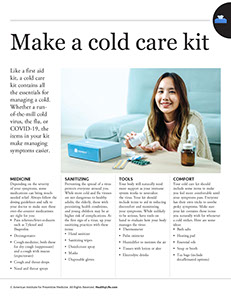
    Women siting at table with a box and medicine.

    Like a first aid kit, a cold care kit contains all the essentials for managing a cold. Whether a run-of-the-mill cold virus, the flu, or COVID-19, the items in your kit make managing symptoms easier.

    Medicine

    Depending on the severity of your symptoms, some medications can bring much-needed relief. Always follow the dosing guidelines and talk to your doctor to make sure these over-the-counter medications are right for you:

    *  Pain relievers/fever-reducers such as Tylenol and Ibuprofen

    *  Decongestants

    *  Cough medicine, both those for dry cough (suppressant) and a cough with mucus (expectorant)

    *  Cough and throat drops

    *  Nasal and throat sprays

    Sanitizing

    Preventing the spread of a virus protects everyone around you. While most cold and flu viruses are not dangerous to healthy adults, the elderly, those with preexisting health conditions, and young children may be at higher risk of complications. At the first sign of a virus, up your sanitizing practices with these items:

    *  Hand sanitizer

    *  Sanitizing wipes

    *  Disinfectant spray

    *  Masks

    *  Disposable gloves

    Tools

    Your body will naturally need more support as your immune system works to neutralize the virus. Your kit should include items to aid in reducing discomfort and monitoring your symptoms. While unlikely to be serious, have tools on hand to evaluate how your body manages the virus:

    *  Thermometer

    *  Pulse oximeter

    *  Humidifier to moisten the air

    *  Tissues with lotion or aloe

    *  Electrolyte drinks

    Comfort

    Your cold care kit should include some items to make you feel more comfortable until your symptoms pass. Everyone has their own tricks to soothe pesky symptoms. Make sure your kit contains those items you naturally wish for whenever a cold strikes. Here are some ideas:

    *  Bath salts

    *  Heating pad

    *  Essential oils

    *  Soup or broth

    *  Tea bags (include decaffeinated options)
    © American Institute for Preventive Medicine
  • The Ins And Outs Of Ambulatory Surgery

    Medical Care

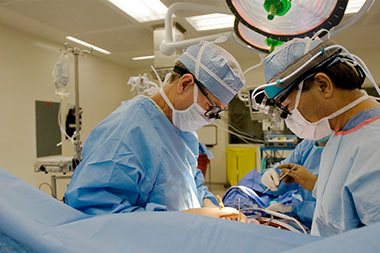
    Ambulatory surgery is surgery done on an outpatient basis. This can be done in a hospital. It can also be done at a freestanding center. One reason ambulatory surgeries are more common now than in the past is advanced medical practices. This includes the use of anesthesias that wear off quicker and have fewer side effects. Common ambulatory surgeries include:

    *  Endoscopy procedures.

    *  Hernia repair.

    *  Some plastic surgeries.

    *  Tubal ligation.

    *  Dilation and curettage (D & C).

    *  Breast biopsy.

    *  Tonsillectomy.

    *  Cataract and glaucoma procedures.

    *  Orthopedic procedures (such as arthroscopy of a knee).

    *  Benign and cancerous tumor procedures.

    Ambulatory or outpatient surgery has many advantages:

    *  Hospitalization poses the risk of exposure to infections and may also keep patients bedridden longer than is necessary.

    *  Ambulatory surgery gets you in and out quickly.

    *  The patient has a good deal of choice as to when the surgery will occur. The surgery is scheduled by appointment for patient convenience.

    *  Most people prefer healing at home in their own beds to staying in a hospital. The home can be a more comfortable place in which to heal than a hospital with its hectic schedules.

    *  Medical bills are much lower if you don’t have to stay in a hospital overnight.

    Things to consider:

    *  Many procedures need special preparation ahead of time. Follow your doctor’s orders exactly.

    *  You may need someone to drive you home and stay with you as you recover.

    *  Do not bring valuables with you when you have outpatient surgery.

    Page from A Year of Health Hints book by the American Institute for Preventive Medicine. www.HealthyLife.com. All rights reserved.

    © American Institute for Preventive Medicine
  • How To Make The Most Of A Doctor Visit

    Medical Care

    Image of doctor and patient talking.

    When a doctor knows how to really communicate well with a patient, it can make a big difference in how that patient responds. But communication is a two-way process. Listening as well as speaking to one another is something both doctor and patient must work on together. Being honest and open with each other is also important.

    What Your Doctor Should Know about You

    Aside from a general health history, it is important that your doctor ask certain questions about the following:

    *  Dietary habits (Are you a frequent junk-food eater? Are you especially fond of cheesecake, sour cream, or other fatty foods?)

    *  Your occupation (Do you work in a high-stress job? Are you exposed to nickel, nuclear power radiation, or other toxic substances?)

    *  Sleep habits (Do you frequently awaken before dawn or have problems getting to sleep?)

    *  Family problems (Are you currently going through a divorce?)

    *  Lifestyle (Do you get any exercise?)

    *  Stress (Do you work in a noisy environment?)

    *  Health attitude (Are you serious about quitting smoking?)

    *  History of family illness (Does heart disease, high blood pressure, diabetes, kidney problems, or cancer run in your family?)

    *  Major life events (Have you recently retired from work?)

    *  Living arrangements (Do you live alone?)

    Quizzing Your Doctor

    Often, patients feel rushed or uneasy during a doctor visit. And when you’re sick, there is a tendency to feel vulnerable and passive. But by heeding these suggestions, you can still make the most of your doctor-patient communications.

    *  Repeat back in your own words what the doctor has told you.

    *  Use simple phrases like “Do I hear you say that…  ?” or “My understanding of the problem is. . .”

    *  Plan ahead of time what you will say to your doctor about your problem. Your observations about a health problem can be invaluable in making a diagnosis.

    *  Take notes on what is wrong and what you need to do.

    *  If you are confused by medical terms, ask for simple definitions. There is no need to be embarrassed by this.

    *  When a medication is prescribed, ask about its possible side effects, its effectiveness, and how long it must be taken.

    *  If your doctor discusses surgery, ask about alternatives, risks, and a second opinion.

    *  Be frank with the doctor if any part of the office visit is annoying, such as lengthy waiting time or discourteous staff. Be tactful, but honest.

    *  Don’t be afraid to voice your fears or apprehensions about what you’ve heard. The doctor may be able to clarify any misconceptions.

    *  Discuss any self-care practices you’ve used that have relieved symptoms.

    *  Find out the best time for the doctor to receive your phone calls should any questions arise.

    Page from A Year of Health Hints book by the American Institute for Preventive Medicine. www.HealthyLife.com. All rights reserved.

    © American Institute for Preventive Medicine

  • Reducing Presurgery Jitters

    Medical Care

    Image of older women looking nervous.

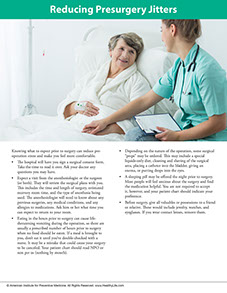
    Knowing what to expect prior to surgery can reduce pre-operation stress and make you feel more comfortable.

    *  The hospital will have you sign a surgical consent form. Take the time to read it over. Ask your doctor any questions you may have.

    *  Expect a visit from the anesthesiologist or the surgeon (or both). They will review the surgical plans with you. This includes the time and length of surgery, estimated recovery room time, and the type of anesthesia being used. The anesthesiologist will need to know about any previous surgeries, any medical conditions, and any allergies to medications. Ask him or her what time you can expect to return to your room.

    *  Eating in the hours prior to surgery can cause life-threatening vomiting during the operation, so there are usually a prescribed number of hours prior to surgery when no food should be eaten. If a meal is brought to you, don’t eat it until you’ve double-checked with a nurse. It may be a mistake that could cause your surgery to be canceled. Your patient chart should read NPO or non per os (nothing by mouth).

    *  Depending on the nature of the operation, some surgical “preps” may be ordered. This may include a special liquids-only diet, cleaning and shaving of the surgical area, placing a catheter into the bladder, giving an enema, or putting drops into the eyes.

    *  A sleeping pill may be offered the night prior to surgery. Most people will feel anxious about the surgery and find the medication helpful. You are not required to accept it, however, and your patient chart should indicate your preference.

    *  Before surgery, give all valuables or possessions to a friend or relative. These would include jewelry, watches, and eyeglasses. If you wear contact lenses, remove them.

    Page from A Year of Health Hints book by the American Institute for Preventive Medicine. www.HealthyLife.com. All rights reserved.

    © American Institute for Preventive Medicine
  • Stages Of Change 2

    Healthylife® QuitWell™

    Part 1

    Broken cigarette with a paper ripped to spell Possible from Impossible.

    This program does not assume you are ready to change. Or, you may be ready to make certain changes but not others. Other changes you may not have even thought of yet! The tools and strategies in this guide are designed to help you move forward through the stages of change.

    Using the diagram below, consider which stage you are at. What best describes where you are at today?

    Diagram showing the different stages of quitting.

    © American Institute for Preventive Medicine

  • Getting Ready For Childbirth

    Pregnancy & Prenatal Care

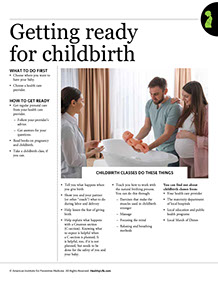
    What to Do First

    *  Choose where you want to have your baby.

    *  Choose a health care provider.

    How to Get Ready

    *  Read books on pregnancy and childbirth.

    *  Take a childbirth class, if you can.

    *  Get regular prenatal care from your health care provider.

    Childbirth Classes Do These Things

    *  Tell you what happens when you give birth

    *  Show you and your partner (or other “coach”) what to do during labor and delivery

    *  Help lessen the fear of giving birth

    *  Help explain what happens with a Cesarean section (C-section). Knowing what to expect is helpful when a C-section is planned. It is helpful, too, if it is not planned, but needs to be done for the safety of you and your baby.

    *  Teach you how to work with the natural birthing process. You can do this through:

    – Exercises that make the muscles used in childbirth stronger

    – Massage

    – Focusing the mind

    – Relaxing and breathing methods

    You can find out about childbirth classes from:

    *  Your health care provider

    *  The maternity department of local hospitals

    *  Local education programs

    *  Local March of Dimes

    Prenatal Self-Care book by the American Institute for Preventive Medicine. www.HealthyLife.com. All rights reserved.

    © American Institute for Preventive Medicine
  • Healthy Pregnancy Checklist

    Pregnancy & Prenatal Care

    You can do a lot of things to improve the chance of having a healthy pregnancy. And you should not do some other things! Knowing what to do and what to avoid will help you and your baby stay well.

    *  Ask your health care provider before you take any medicines, even ones you can buy without a prescription.

    *  Go to all your prenatal health care visits.

    *  Don’t drink alcohol, take drugs, or smoke. When you drink alcohol, smoke, or take drugs, your baby does, too!

    *  Have a routine for exercise. Follow your health care provider’s advice.

    *  Eat healthy foods.

    *  Take your prenatal vitamins (vitamin pills) every day. These also supply the minerals you need.

    *  Get plenty of rest.

    *  Wash your hands throughout the day.

    *  Accept all your emotions. Express your feelings to others.

    *  Learn to deal with stress. Experts think stress may limit blood supply to the placenta. The placenta is the baby’s only source of oxygen and nutrients.

    *  Don’t have X-rays unless your prenatal health care provider says it’s okay.

    *  Avoid harmful chemicals such as paint fumes, insect poisons, and weed killers. Ask your health care provider what else you should avoid.

    *  When you use cleaning agents, wear rubber gloves. Make sure there is plenty of fresh air.

    *  Don’t wear high-heeled shoes.

    *  Don’t pick up, carry, or move heavy objects.

    *  Stay out of hot tubs and saunas. When you bathe, use warm water only. Never use hot water. Put a rubber mat in the tub or shower to prevent slipping.

    *  Don’t handle cat feces or cat litter. If you have a cat, have someone else empty the litter box. Cat droppings can carry a disease called toxoplasmosis. (Eating meat that is not cooked enough can cause this, too.) If a pregnant woman gets this disease, the baby can be harmed. It’s okay to pet your cat.

    *  Don’t have any contact with hamsters, guinea pigs or any rodents. These animals can carry a virus that can cause severe harm to your baby.

    *  Discuss your work life with your health care provider. Find out if it is healthy for you and your baby.

    *  Find out if you should limit or stop having sex. Bleeding or pain during sex could be reasons. Ask your health care provider.

    *  Always wear lap and shoulder seat belts when you ride in a vehicle. Fasten the lap belt as low as you can, below your belly.

    *  Are you going far from home late in your pregnancy? Have your health care provider refer you to a provider in the area where you are going. Take a copy of your prenatal records with you.

    *  When you travel:

    – By plane or train, get up and walk around every now and then. Get an aisle seat.

    – By car, stop at least every 2 hours and do the same.

    Prenatal Self-Care book by the American Institute for Preventive Medicine. www.HealthyLife.com. All rights reserved.

    © American Institute for Preventive Medicine

  • Set Yourself Up For Success

    Healthylife® Weigh

    Part 5

    Man running along hiking trail.

    Create a consistent routine for yourself. Reduce the number of excuses you can make. Tips for creating an exercise habit:

    *Seize your moment.Be aware of when your motivation to exercise is high. You may prefer mornings over evenings. Or, the opposite. Plan to exercise when you are more likely to be physically and mentally on board with it.

    *Get ready ahead of time.Pack a bag with clothes, shoes, deodorant, hair ties, a water bottle, a small towel, and other supplies you’ll need. When exercise comes up on your calendar, all you have to do is grab the bag.

    *Get ready for round 2 ahead of time.Have several days’ worth of workout clothes clean and ready to go. Store workout clothes together so it is easy to re-fill your gym bag. Make it easier to repeat your habit.

    *Commit to repeating your routine.Join a recreational sports team, sign up for a class, or pay for a personal training package. Even if you are not feeling up to it one day, having it on the schedule may get you there.

    *Be accountable to someone.Commit to meeting a friend for exercise at a certain time. Get a workout buddy and swap shoes. If you don’t show up, they won’t be able to work out either! Or, commit to logging your workout on social media or with a friend.

    *Be patient.It may take time to find an activity you like. It may take even longer to feel like it is a normal part of your day to exercise. Keep going. You’ll get there!

    © American Institute for Preventive Medicine
  • Stages Of Change

    Healthylife® Weigh

    Part 1

    Man expressing his success to lose weight.

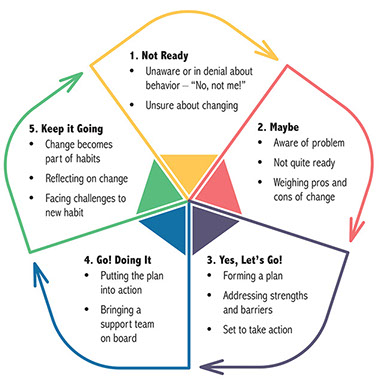
    This guide does not assume you are ready to change. Or, you may be ready to make certain changes but not others. Other changes you may not have even thought of yet! The tools and strategies in this guide are designed to help you move forward through the stages of change. Using the diagram below, consider which stage you are at.

    1. Not Ready

    *  Unaware or in denial about behavior – “No, not me!”

    *  Unsure about changing

    2. Maybe

    *  Aware of problem

    *  Not quite ready

    *  Weighing pros and cons of change

    3. Yes, Let’s Go!

    *  Forming a plan

    *  Addressing strengths and barriers

    *  Set to take action

    4. Go! Doing It

    *  Putting the plan into action

    *  Bringing champions on board

    5. Keep it Going

    *  Change becomes part of habits

    *  Reflecting on change

    *  Facing challenges to new habit

    © American Institute for Preventive Medicine

  • 4 Questions To Ask Before Having Surgery

    MEDICAL NEWS

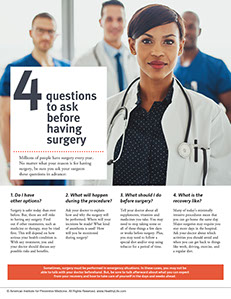
    Image of doctors.

    Millions of people have surgery every year. No matter what your reason is for having surgery, be sure you ask your surgeon these questions in advance:

    1.Do I have other options?Surgery is safer today than ever before. But, there are still risks to having any surgery. Find out if other treatments, such as medicine or therapy, may be tried first. This will depend on how serious your health condition is. With any treatment, you and your doctor should discuss any possible risks and benefits.

    2.What will happen during the procedure?Ask your doctor to explain how and why the surgery will be performed. Where will your incisions be made? What kind of anesthesia is used? How  will you be monitored  during surgery?

    3.What should I do before surgery?Tell your doctor about all supplements, vitamins and medicines you take. You may need to stop taking some or all of these things a few days or weeks before surgery. Plus, you may need to follow a special diet and/or stop using tobacco for a period of time.

    4.What is the recovery like?Many of today’s minimally invasive procedures mean that you can go home the same day. Major surgeries may require you stay more days in the hospital. Ask your doctor about which activities you should avoid and when you can get back to things like work, driving, exercise, and a regular diet.

    Sometimes, surgery must be performed in emergency situations. In these cases, you may not be able to talk with your doctor beforehand. But, be sure to talk afterward about what you can expect from your recovery and how to take care of yourself in the days and weeks ahead.

    © American Institute for Preventive Medicine