Tag: pressure

  • Conquer Job Stress

    SUCCESS OVER STRESS

    Happy man with arms up while setting at work desk.

    Burnout: When stress goes too far

    When stress goes on for too long, a person may feel “burned out.” This usually means they become exhausted and unable to do their job well anymore. They may also become negative or feel angry toward others at work.

    Burnout can seriously affect your health. It can lead to depression and possibly other problems, like heart disease and stroke.

    Stop the cycle

    It’s not too late to manage your work stress. Even if you feel your stress is high, there are ways to make things better. Here’s how:

    *Take breaks – even short ones.Just 10 minutes of downtime during the day can make a big difference in your stress levels. Don’t work through lunch and break times.

    *Practice the art of waiting and walking away.If you feel angry or stressed about something, don’t respond right away. Say something like, “let me think about that and get back to you.” Avoid sending angry emails when you feel stressed.

    *Go easy on yourself.Are you expecting perfection from yourself? No one is perfect. Learn from mistakes and move on.

    *Discuss your concerns.If you’re having trouble with something at work, talk to your supervisor about solutions. Don’t keep it bottled inside and assume it will work itself out.

    Source: American Psychological Association

    © American Institute for Preventive Medicine

  • Weighted Blankets – A Sleep Saver?

    WELL-BEING

    Bed with weighted blankets.

    Weighted blankets have become popular – but do you need one?

    Weighted blankets are designed to feel very heavy. They are usually filled with glass or plastic pellets that add weight. Some people believe the extra weight can feel like a hug. This may have a calming effect.

    Before you invest in a weighted blanket, here’s what to know:

    *  No large studies say that weighted blankets have proven health benefits. But some smaller studies have found that they can help a person calm down when stressed. They may also help some people with insomnia and anxiety, according to the National Sleep Foundation.

    *  Weighted blankets come in different sizes and weights. You may wish to use one that weighs around 10 percent of your body weight.

    *  Never use a weighted blanket on a baby or toddler.

    © American Institute for Preventive Medicine

  • Prevent In-Flight Ear Pops

    Healthy Travel

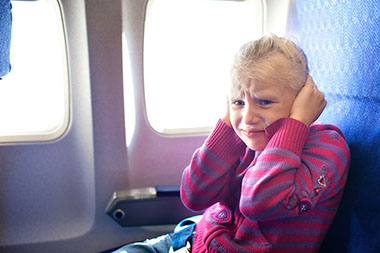
    Image of young girl on plane covering her ears.

    If you’re riding in a plane, your ears might feel full during takeoff and landing, then suddenly “pop.” Ear pops result from pressure changes in the middle ear as a plane changes altitude. You may feel pain or only mild discomfort. And if you have a head cold, ear pops can promote an ear infection.

    It’s rarely convenient to cancel or postpone your flight because of ear trouble. It is highly recommended, however, that you don’t fly if you have an acute ear infection, a severe head cold, or sinusitis. Consult your physician regarding this. If you still decide to fly, here are some ways to keep your ears from popping.

    *  Swallow frequently, yawn, or gently blow through your nose while pinching the nostrils shut, to equalize pressure within your ears. (Don’t do this if you have a head cold, as it will promote an ear infection.)

    *  If you have a mild head cold, use a nasal spray to keep the nasal passages open. Oral decongestant medications are also effective.

    Infants and young children tend to develop ear pain when traveling by plane, too. To prevent discomfort and ear infections in your children:

    *  Have your infant suck on a pacifier or bottle during the takeoff and landing. (Nursing a baby helps, too.)

    *  Ask your doctor about giving children a mild decongestant and antihistamine 1 hour before takeoff and 1 hour before landing.

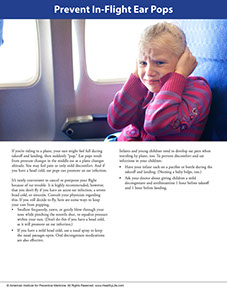
    Page image from A Year of Health Hints book by the American Institute for Preventive Medicine. www.HealthyLife.com. All rights reserved.

    © American Institute for Preventive Medicine

  • Chest Pain

    Heart & Circulation Problems

    Heart Attack

    Signs & Symptoms

    *  Chest pressure, squeezing, burning, tightness, or pain (may spread to the arm, neck, back, tooth, or jaw).

    *  Chest discomfort with: Shortness of breath; sweating; nausea; fast or uneven pulse; lightheadedness; fainting.

    *  Chest pain that does not respond to medicine for a person with angina or heart problems.

    What To Do

    Call 9-1-1!

    Dissecting Aortic Aneurysm

    This is a tear in the main artery from the heart.

    Signs & Symptoms

    *  Severe chest pain with extreme pain felt across the upper back (not just on one side) that came on within 15 minutes without an injury, back strain, etc. The pain can spread to the abdomen.

    *  A knife-like sensation from front to back.

    *  Dizziness and fainting.

    What To Do

    Call 9-1-1 or go to the emergency department of a hospital! Do not take aspirin.

    Blood clot(s) to the lungs

    Signs & Symptoms

    Chest pain that gets worse when taking deep breaths and occurs with any of these conditions:

    *  Sudden shortness of breath and severe problems breathing.

    *  Rapid heartbeat.

    *  Cough with bloody sputum.

    *  Sudden onset of chest pain with calf pain.

    *  Long periods of being immobile from bed rest, recent surgery, or prolonged travel.

    What To Do

    Call 9-1-1 or go to the emergency department of a hospital!

    Collapsed Lung

    Trauma to the chest is the main cause.

    Signs & Symptoms

    *  Sudden and sharp chest pain or tightness with breathing.

    *  Increasing shortness of breath.

    What To Do

    Call 9-1-1 or go to the emergency department of a hospital!

    Angina

    Signs & Symptoms

    Squeezing, pressure, indigestion feeling, or pain (often dull) in the chest. The pain may spread to the arm, neck, jaw, or back. Symptoms come on or are made worse by stress or physical exertion. They ease with rest.

    What To Do

    SeeAngina.

    Shingles

    Signs & Symptoms

    The pain is on only one side of the chest and is not affected by breathing. A burning feeling and a skin rash are at the site of the pain.

    What To Do

    SeeShingles.

    Tuberculosis (TB)

    Chronic lung infection with a certain bacteria.

    Signs & Symptoms

    Vague pain in the chest (if any). Shortness of breath; chronic fatigue; cough with phlegm or blood; night sweats; appetite and weight loss; and fever.

    What To Do

    See doctor.

    Heartburn or Hiatal Hernia

    {Note: This could also signal a heart attack.}

    Signs & Symptoms

    Burning feeling in the chest or just above the stomach that comes and goes before, during, or after eating. It gets worse when you bend over or lie down.

    What To Do

    SeeHeart Attack,Heartburn & Indigestion,Hiatal Hernia, andPeptic Ulcers

    Pleurisy

    The membrane that surrounds the lungs is inflamed. Muscle strain or rib injury.

    Signs & Symptoms

    Chest pain that worsens with deep breaths, coughing, or touching the chest or ribs.

    What To Do

    See doctor for diagnosis.

    Flu, Pneumonia, Bronchitis, or Other Upper Respiratory Infection

    Signs & Symptoms

    Chest pain with fever and coughing up green, yellow, or gray mucus.

    What To Do

    See doctor.

    Precordial Catch Syndrome

    This harmless, recurrent problem usually occurs in young adults.

    Signs & Symptoms

    Sudden, sharp pain below the left nipple that lasts less than a minute or so.

    What To Do

    See doctor for diagnosis. Try daily stretching exercises to reduce getting these pains.

    Costochondritis

    This is inflammation where the ribs attach to the breastbone.

    Signs & Symptoms

    Pain and tender feeling in the upper part of the chest. The pain gets worse when pressure is applied to the area. It can get worse with deep breaths, too.

    What To Do

    See doctor for diagnosis. Take an OTC medicine for pain and swelling. Apply a heating pad set on low or a hot water bottle to the area of pain.


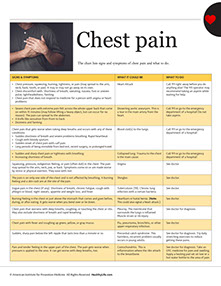
    Healthier at Home book by the American Institute for Preventive Medicine. www.HealthyLife.com. All rights reserved.

    © American Institute for Preventive Medicine

  • Corns & Calluses

    Skin Conditions

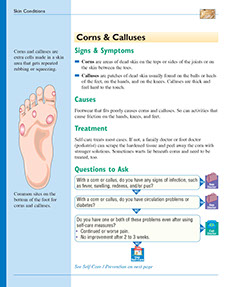
    Corns and calluses are extra cells made in a skin area that gets repeated rubbing or squeezing.

    Signs & Symptoms

    *  Corns are areas of dead skin on the tops or sides of the joints or on the skin between the toes.

    *  Calluses are patches of dead skin usually found on the balls or heels of the feet, on the hands, and on the knees. Calluses are thick and feel hard to the touch.

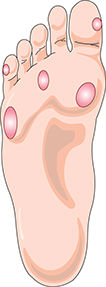
    Illustration of corns and calluses on the bottom of a foot.

    Common sites on the bottom of the foot for corns and calluses.

    Causes

    Footwear that fits poorly causes corns and calluses. So can activities that cause friction on the hands, knees, and feet.

    Treatment

    Self-care treats most cases. If not, a family doctor or foot doctor (podiatrist) can scrape the hardened tissue and peel away the corn with stronger solutions. Sometimes warts lie beneath corns and need to be treated, too.

    Questions to Ask

    Self-Care / Prevention

    {Note: Persons with diabetes should see a doctor for treatment for foot problems.}

    For Corns

    *  Don’t pick at corns. Don’t use toenail scissors, clippers, or any sharp tool to cut off corns.

    *  Don’t wear shoes that fit poorly or that squeeze your toes together.

    *  Soak your feet in warm water to soften the corn.

    *  Cover the corn with a protective, nonmedicated pad or bandage which you can buy at drug stores.

    *  If the outer layers of a corn have peeled away, apply a nonprescription liquid of 5 to 10% salicylic acid. Gently rub the corn off with cotton gauze.

    *  Ask a shoe repair person to sew a metatarsal bar onto your shoe to use when a corn is healing.

    For Calluses

    *  Don’t try to cut a callus off.

    *  Soak your feet in warm water to soften the callus. Pat it dry.

    *  Rub the callus gently with a pumice stone.

    *  Cover calluses with protective pads. You can get these at drug stores.

    *  Don’t wear poorly fitting shoes or other sources of friction that may lead to calluses.

    *  Wear gloves for a hobby or work that puts pressure on your hands.

    *  Wear knee pads for activities that put pressure on your knees.

    Healthier at Home book by the American Institute for Preventive Medicine. www.HealthyLife.com. All rights reserved.

    © American Institute for Preventive Medicine

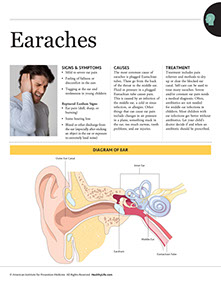
  • Earaches

    Ear, Nose & Throat Conditions

    Signs & Symptoms

    *  Mild to severe ear pain.

    *  Feeling of fullness or discomfort in the ears.

    *  Tugging at the ear and restlessness in young children.

    *  Ear pain.

    *  Some hearing loss.

    *  Blood or other discharge from the ear (especially after sticking an object in the ear or exposure to extremely loud noise).

    Illustration of ear.

    Causes

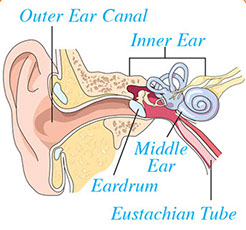
    The most common cause of earaches is plugged Eustachian tubes. These go from the back of the throat to the middle ear. Fluid or pressure in a plugged Eustachian tube causes pain. This is caused by an infection of the middle ear, a cold or sinus infection, or allergies. Other things that can cause ear pain include changes in air pressure in a plane, something stuck in the ear, too much earwax, tooth problems, and ear injuries.

    Treatment

    Treatment includes pain relievers and methods to dry up or clear the blocked ear canal. Self-care can be used to treat many earaches. Severe and/or constant ear pain needs a medical diagnosis. Often, antibiotics are not needed for middle ear infections in children. About 8 in 10 children with ear infections get better without antibiotics. Let your child’s doctor decide if and when an antibiotic should be prescribed.

    Questions to Ask

    Self-Care / Prevention

    To Help Prevent Ear Pain

    *  Don’t put cotton-tipped swabs, bobby pins, etc., in your ears. This could damage the eardrum.

    *  Don’t blow your nose with too much force.

    *  If you can, avoid places that have very loud noises (construction sites, etc.). Wear earplugs when exposed to loud noises.

    *  Keep the volume on low when using stereos, compact discs (CDs), etc. If someone else can hear the music when you are listening to one of these devices with earphones, the volume is too loud.

    To Avoid Getting “Swimmer’s Ear”

    *  Wear wax or silicone earplugs.

    *  Wear a bathing cap.

    *  Don’t swim in dirty water. Swim on the surface not underneath the water.

    *  Use an over-the-counter product, such as Swim-Ear, as directed.

    To Reduce Ear Pain

    *  Place a warm washcloth next to the ear. Some health professionals recommend putting an ice bag or ice in a wet washcloth over the painful ear for 20 minutes.

    *  Take an over-the-counter medicine for pain as directed on the label.

    To Open Up the Eustachian Tubes and Help Them Drain

    *  Sit up. Prop your head up when you sleep.

    *  Yawn. This helps move the muscles that open the Eustachian tubes.

    *  Chew gum or suck on hard candy. (Do not give to children under age 5.) This tip is especially helpful during pressure changes that take place during air travel, but can also help if you wake up with ear pain.

    *  When traveling by air, stay awake when the plane takes off and lands. Wear ear plugs.

    *  Take a steamy shower.

    *  Use a cool-mist vaporizer, especially at night.

    *  Drink plenty of cool water.

    *  Gently, but firmly, blow through your nose while holding both nostrils closed until you hear a pop. This can be done several times a day.

    *  If okay with your doctor, take a decongestant to help relieve the swelling that causes the pain. (Don’t use a nasal spray decongestant for more than 3 days unless directed by your doctor.)

    *  When you give a baby a bottle, hold the baby in an upright position.

    To Treat a Mild Case of “Swimmer’s Ear”

    The goal is to clean and dry the outer ear canal without doing further damage to the top layer of skin.

    *  Shake the head to expel trapped water.

    *  Dry the ear canal. Get a clean facial tissue. Twist each corner into a tip and gently place each tip into the ear canal for 10 seconds. Repeat with the other ear using a new tissue.

    *  Use an over-the-counter product, such as Swim-Ear. Drop it into the ears to fight infection. Follow package directions.

    *  Do not remove earwax. This protects the ear canal.

    For an Insect in the Ear

    Shine a flashlight into the ear. Doing this may cause the insect to come out.

    Resources

    National Institute on Deafness and Other Communication Disorders (NIDCD)

    800.241.1044

    www.nidcd.nih.gov

    Healthier at Home book by the American Institute for Preventive Medicine. www.HealthyLife.com. All rights reserved.

    © American Institute for Preventive Medicine

  • Sinus Problems

    Ear, Nose & Throat Conditions

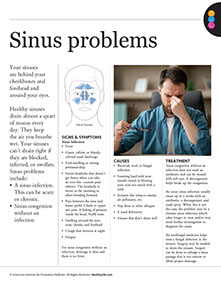
    Your sinuses are behind your cheekbones and forehead and around your eyes. Healthy sinuses drain almost a quart of mucus every day. They keep the air you breathe wet. Your sinuses can’t drain right if they are blocked, infected, or swollen. Sinus problems include:

    *  A sinus infection. This can be acute or chronic.

    *  Sinus congestion without an infection.

    Signs & Symptoms

    For a Sinus Infection

    *  Fever.

    *  Green, yellow, or bloody-colored nasal discharge.

    *  Foul-smelling or tasting postnasal drip.

    *  Severe headache that doesn’t get better when you take an over-the-counter pain reliever. The headache is worse in the morning or when bending forward.

    *  Pain between the nose and lower eyelid. Cheek or upper jaw pain.

    *  A feeling of pressure inside the head. Stuffy nose.

    *  Swelling around the eyes, nose, cheeks, and forehead.

    *  Cough that worsens at night.

    *  Fatigue.

    For sinus congestion without an infection, drainage is clear and there is no fever.

    Causes

    *  Bacterial, viral, or fungal infection. Sneezing hard with your mouth closed or blowing your nose too much with a cold.

    *  Irritants like tobacco smoke, air pollutants, etc. Hay fever or other allergies.

    *  A nasal deformity. Sinuses that don’t drain well.

    Treatment

    Sinus congestion without an infection does not need an antibiotic and can be treated with self-care. A decongestant helps break up the congestion.

    An acute sinus infection usually clears up in 2 weeks with an antibiotic, a decongestant, and nose drops or a nasal spray. When this is not the case, the problem may be a chronic sinus infection which takes longer to treat and/or may need further investigation to diagnose the cause.

    An antifungal medicine helps treat a fungal infection in the sinuses. Surgery may be needed to drain the sinuses. Surgery can be done to enlarge a sinus passage that is too narrow to allow proper drainage.

    Questions to Ask

    Self-Care / Prevention

    *  Use a cool-mist humidifier especially in the bedroom. Put a humidifier on the furnace.

    *  Put a warm washcloth, warm or cold compress over the sinus area of your face. Use the one that helps most for the pain.

    *  Drink plenty of liquids.

    *  Take an over-the-counter (OTC) medicine for pain as directed on the label.

    *  Take an OTC decongestant or an OTC pain reliever with a decongestant (e.g., Tylenol Sinus). {Note: Some persons should not take decongestants.}

    *  Use nose drops only for the number of days prescribed. Repeated use of them creates a dependency. Don’t share nose drops with others. Throw the drops away after treatment.

    *  Nasal washes with salt water. Find out about this technique from the National Jewish Health.

    Healthier at Home book by the American Institute for Preventive Medicine. www.HealthyLife.com. All rights reserved.

    © American Institute for Preventive Medicine

  • Relieve The Pressure

    Healthylife® Weigh

    Part 6

    Multi-generation family enjoying christmas meal at home.

    Avoiding all holiday food challenges is nearly impossible. Adjust your goals and your action plan for success during this time. Your goal may be to “maintain, don’t gain” during a holiday season.

    Celebration days throughout the year are likely a small fraction of your overall year. Of course, stretching celebration days into weeks and months as a “holiday season” can pose challenges to your healthy goals. Even during traditional “holiday seasons,” stick with your healthy habits on nearly all days.

    Healthy Holiday Strategies:

    *  Have a healthy snack (fiber-rich carbohydrate + protein & a healthy fat) before going to the event.

    *  Keep a drink in your hand (choose water most of the time) and sip throughout the event.

    *  Avoid tables with appetizers and food. Talk with others away from where snacks are served.

    *  Prioritize exercise. This will help you manage stress and keep your metabolism running hot.

    *  Focus on people, not food. Visit friends and relatives. Take non-food gifts, such as flowers.

    *  Modify meals to include less sugar, saturated fat, and sodium.

    *  Create new traditions that are not planned around food. Do volunteer work or plan a hike/outdoor adventure with friends and family.

    *  Use stress management tools in this guide.

    *  Get enough quality sleep.

    © American Institute for Preventive Medicine

  • Bloody Nose Know-How

    MEDICAL NEWS

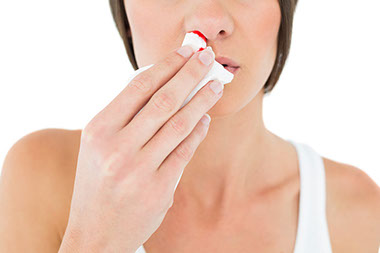
    Image of a nose bleed.

    Maybe you blew your nose too hard or bumped your nose. Causes aren’t always known. But when the blood starts gushing, nosebleeds can be frightening.

    Experts at eMedicineHealth tell what to do: Remain calm. Sit up straight and lean your head forward. Contrary to what some people think, do not lean your head back, you’ll only swallow the blood.

    Ice packs do not help either. Pinch your nostrils tightly together with your thumb and index finger for 10 minutes. Just hold it. Breathe through your mouth, of course. Do not release your grip.

    That should stop the blood flow, usually from an artery in the front of your nose. Then be nice to your tender nose for the rest of the day. Think about adding humidity to the air when you sleep, especially in dry winter weather.

    © American Institute for Preventive Medicine

  • How To Stop A Nosebleed

    SELF-CARE CORNER

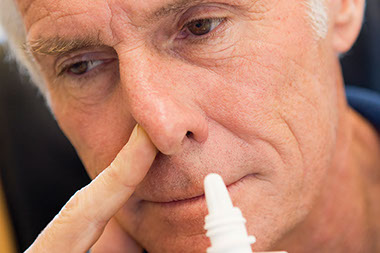
    Image of man using a nasal spray.

    When the furnace fires up and the humidity drops, the nose is most at risk. Nosebleeds can range from a simple, brief annoying amount of bleeding to life-threatening bleeding, according to Dr. Peter Shepard, an ear, nose, and throat expert.

    The nose has a collection of blood vessels called Kiesselbach’s plexus. This area is located at the front of the septum, the cartilage that divides the nose. Vessels from several different main trunks all meet in this spot and are very close to the surface. This is also the area of the nose that tends to dry out the most.

    If the surface cracks, the vessels will bleed. The size of the vessels determines how bad the bleeding is. People are more at risk if they have high blood pressure, take blood thinners, use oxygen, or have a deviated nasal septum.

    The best treatment for nosebleeds is avoiding them in the first place. Unless you can take an extended trip to Hawaii, you’ll want to work on improving the humidity inside your nose.

    Apply Vaseline at the front of your nostril twice a day. Saline spray can be kept with you and used throughout the day.

    If you do have a bleed, a few simple things will usually stop it.

    *  Apply pressure by squeezing the soft part of the nose between your thumb and index finger. Lean forward so you don’t swallow any blood (do not hold your head back, as some suggest).

    *  If that is not enough, oxymetazoline (Afrin) nasal spray can be a miracle drug for nosebleeds. It is a decongestant but works for nosebleeds since it causes blood vessels to tighten. Blow the blood out of the nose, spray twice, and then apply pressure for 15 minutes.

    *  If the bleeding won’t stop, go to the emergency room.

    © American Institute for Preventive Medicine