Tag: prevention
-
Sexually Transmitted Infections (Sti)
Sexual Health

Sexually transmitted infections (STIs) are also called STDs. They are infections that pass from one person to another through sexual contact. STIs can be present without any symptoms.
Latex and polyurethane condoms reduce the spread of HIV and other STIs. They do not get rid of the risk entirely. Use a condom correctly and every time you have vaginal, anal, or oral sex. Do this unless you have sex with only one partner and neither of you has an STI.
Barriers made of natural membranes, such as lamb skin, do not give good protection against STIs. Buy condoms that state, “Protect against disease” on the package label. Also, do not use a male condom and a female condom at the same time.
Oil-based or petroleum lubricants can damage latex condoms. If a lubricant is used for sex, use a water-based one, such as K-Y Brand products.
If you are sexually active, talk to your doctor about screening tests for STIs.
-
Prevent Diabetes
SELF-CARE CORNER

Diabetes may run in your family, but you can avoid or delay its development.
You can reduce your risk for type 2 diabetes by eating a healthy diet, getting plenty of physical activity, and losing excess weight, according to NIH in Health. Type 2 diabetes occurs due to problems related to a hormone called insulin. When your body digests food, it’s broken down and converted to glucose and other molecules, which then travel through the bloodstream. Insulin signals cells to let glucose in for use as an energy source.
In a person with type 2 diabetes, either the body’s cells have trouble using insulin or the body isn’t making enough insulin. As a result, glucose can build up to harmful levels in the blood. That’s why people with diabetes often have high blood glucose levels.
These high levels raise your risk for heart disease, kidney problems, blindness, amputations, and other serious conditions.
Being overweight, obese, or inactive increases the risk to develop type 2 diabetes. You can change these risk factors. Losing just 5-10 percent of your weight and exercising 30 minutes a day on 5 days a week goes a long way to lower your risk.
Steps to prevent diabetes
* Move more. It doesn’t matter what activity you do, as long as you enjoy it.
* Choose healthy foods. Eat fiber-rich fruits and vegetables.
* Maintain a healthy weight. With healthy eating and physical activity, you can drop pounds and keep them off.
* Set reasonable goals. Start with small changes, even walking 15 minutes a day. Add 5 minutes per day next week and so on. Goal: 30 minutes, 5 days a week.
* Record your progress. Keep a diary of what you eat and drink and the number of minutes you exercise to stay focused on your goal.
* Keep at it. Making even small changes is hard in the beginning. If you get off track, start again.
-
Avoid Injury
Healthylife® Weigh
Part 5

Learn how to do an exercise before you try it. Watch someone demonstrate it, either in person or in a video. If possible, do the exercise with someone who can correct poor form.
Warm up before moderate or intense exercise. Start slowly. You should gradually start breathing harder and feel your heart rate increasing.
Cool down after moderate or intense exercise. Cool down slowly. Do the activity that you were doing (e.g., walking, biking), but more slowly.
Possible Cool Down
* Brisk walking: Walk around slowly
* Swimming: Walk in shallow end of pool
* Cycling: Cycle slowly on flat surface or walk
* Aerobics: Walk or stretch slowly
-
Prevent Ear Infections
FAMILY LIFE

“Most children will have at least one ear infection by the time they are 2 years old,” said Dr. Heather Gomes of the Boys Town National Research Hospital. “For those children who have recurring ear infections, further evaluation and treatment by an ear, nose and throat physician is recommended to avoid delays in speech and language skills.”
The top 5 tips to prevent ear infections –
1. Protect your child from secondhand tobacco smoke.
2. Reduce your child’s exposure to colds during the first 2 years of life as much as possible.
3. Breast-feed your baby during the first 6 to 12 months of life.
4. Bottle-feed your child by holding the bottle at a 45-degree angle.
5. Discuss with your doctor any significant symptoms such as excessive spitting up or stomach pain because this is a risk factor.
-
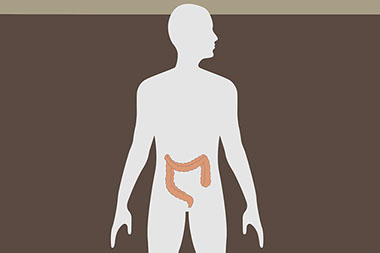
10 Tips To Lower Your Risk For Colorectal Cancer
SELF-CARE CORNER

UCLA experts encourage you to protect your colon health:
1. Get regular colorectal cancer screenings starting at age 50 if you are at normal risk.
2. Talk to your doctor about screenings before age 50 if you are at higher risk. This could be due to a personal or family history of colorectal cancer, other cancers or inflammatory bowel disease.
3. Eat between 25 and 30 grams of dietary fiber each day. Fiber is in fruits, vegetables, whole-grain breads and cereals, nuts, and beans.
4. Eat a low-fat diet. Colorectal cancer has been associated with diets high in saturated fat.
5. Eat foods with the B-vitamin folate. Good sources are leafy green vegetables.
6. Drink alcohol in moderation and quit smoking. Alcohol and tobacco in combination are linked to colorectal cancer and cancers of the stomach and intestines.
7. Exercise for at least 20 minutes 3 to 4 days a week.
8. Report to your doctor any persistent symptoms such as:
* Blood in the stool
* A change in bowel habits
* Weight loss
* Narrower-than-usual stools
* Abdominal pains or other gastrointestinal complaints
9. Maintain a healthy weight.
10. Get more information atwww.cancer.org(the American Cancer Society website).
-
Questions Answered About Mers
MEDICAL NEWS

As concern increases about Middle Eastern Respiratory Syndrome, or MERS, in the Middle East and in Asia, Dr. Peter Hotez, dean of the National School of Tropical Medicine at Baylor College of Medicine, answers questions on what we need to know about this emerging infectious disease.
What is MERS?
It is a serious lower respiratory infection caused by the MERS coronavirus. This emerging viral pathogen was first acquired from camels, but now has limited human-to-human transmission.
What are the symptoms?
The symptoms include fever, cough, and respiratory symptoms that could lead to respiratory failure and other organ system breakdown. This infectious disease is similar to SARS (severe acute respiratory syndrome) that caused a severe and highly lethal outbreak in South China in 2002-2003. Some data from previous SARS outbreaks indicate that 13% of cases may have no symptoms and this could also be true for MERS.
How is it spread?
The mode of spread is still not well known. In general, it involves close contact, especially in health care settings. For SARS, a related coronavirus, sneezing and cough seems to facilitate transmission.
Is there a treatment? Is there a vaccine?
There is no proven antiviral treatment, yet, for MERS. Several prototype vaccines are in different stages of development.
Who is at risk? Any groups more at risk?
For about 30 to 40%, of people who get MERS, the disease is fatal. At greatest risk of dying are the elderly and those with underlying heart and lung disease or diabetes.
Should we be concerned?
The MERS epidemic in South Korea looks as though it will be contained soon with all new cases appearing among the estimated 3,000 people in quarantine. However, in Saudi Arabia and elsewhere on the Arabian Peninsula, new cases continue to appear. Individuals thinking about travelling to the Arabian Peninsula should consult their doctor if they are elderly or have underlying chronic disease conditions.
-
4 Reasons To Get Your Colonoscopy
MEDICAL NEWS

If you’re age 50 or older, your doctor may have recommended you get a colonoscopy. This test, which uses a thin, lighted tube to view inside the colon and rectum, checks for:
* Polyps, which are growths or bumps that could turn into cancer
* Colorectal cancer (cancer in the colon and/or rectum)
A colonoscopy gives the doctor a chance to remove polyps and possible cancerous growths during the test.
Even though a colonoscopy is a safe and effective way to help prevent colorectal cancer or find it early, many people put off getting one. This is often because they are nervous about the test or they don’t want to do the “prep.” Preparing for a colonoscopy usually means you take medicines that cause diarrhea the day before the test. This can be inconvenient, but it’s worth the hassle.
Here are 4 good reasons you should call your doctor about scheduling it today:
1.Early colon cancer has no symptoms.Many people have polyps or even colon cancer for months or years and don’t know it. A colonoscopy can find these things early and increase the chances of a good outcome. The earlier colon cancer is found, the higher the likliehood of successful treatment.
2.One day of prep could save your life.No one likes to have diarrhea. But, one day of prep means you’re getting a test that checks for a common and sometimes deadly cancer. In fact, the American Cancer Society says more than 50,000 Americans will die from colorectal cancer in 2018. It is the third most common cancer in the U.S.
3.There are ways to make the prep easier.Ask your doctor about adding certain flavorings to your medicine to make it taste better. Also, there are many clear liquids other than water you may be able to drink. Sports drinks, tea, coffee, popsicles and some broths may be allowed. Usually, red, blue and purple dyes need to be avoided, but other flavors are fine.
4.Can’t put a price on peace of mind.With so many people being diagnosed with colorectal cancer, isn’t it worth a day of discomfort to know that you’ve been screened? Even if a polyp or possible sign of cancer is found, you can get on the path to treatment that could be life-saving.
Sources: Centers for Disease Control and Prevention, National Institutes of Health, American Cancer Society

-
Save Money On Health Expenses
FINANCIAL HEALTH

Unexpected health care costs can be hard on any budget. To help manage your own health care costs:
*Get preventive care.Well visits and checkups often cost a lot less than treating a disease or illness. Talk to your doctor and dentist about how often you should be seen, and stick to this schedule.
*Use generic medicines.Name brand medicines can cost hundreds of dollars more than generic ones. Ask your doctor if a generic medicine is available for your condition. Tell your doctor if you are having trouble paying for medications. Drug makers sometimes offer coupons or savings cards for people who need them.
*Shop around for your prescriptions.Medicine costs can vary widely among pharmacies. Call pharmacies and ask for the cost of your prescription medicine. Some websites also have prescription medicine costs available for pharmacies in your area. You may also wish to look into mail-order pharmacies.
*Check your medical bills.Make sure there are no mistakes on your doctor, hospital or prescription bills. And, be sure your insurance covered services it is supposed to cover. If you have questions, or think you may be over-billed, call the number listed on your bill.
Source: Consumer Federation of America
Watch those late fees!
A few dollars here, 20 dollars there… late fees can add up. Whether it’s your credit card bill or a service you received, make an effort to pay your bill on time. Avoid late fees by getting bills set up on automatic payment plans. Or, have a special slot on the wall to place bills that haven’t been paid. Then, they won’t get buried under junk mail or other papers on your desk.
-
5 Ways To Protect Against Infections
General Health Conditions

As part of your community, be responsible to prevent getting and spreading infections.
1. Wash your hands often.
2. Get a yearly flu vaccine. Stay up to date with COVID-19 booster shots. Get complete lists of vaccines atcdc.gov/vaccinesthat you and your children need. Follow your doctor’s advice for vaccines. Getting recommended vaccines save millions of lives and prevent millions of illnesses.
3. Stay home when you are sick.
4. Keep foods safe to eat. Use clean hands, surfaces, and utensils. Store food that can spoil below 40° F and higher than 140° F.
5. Practice safer sex to help prevent sexually transmitted infections.
Take Action: Proper Handwashing
1. Use clean water and soap. Lather your hands all over and under your nails.
2. Spend 20 seconds each time. (Hum “Happy Birthday” twice.)
3. Rinse your hands with clean running water.
4. Dry your hands with an air drier or clean towel.