Tag: prevention

  • 4 Steps To Prevent Colorectal Cancer

    MEDICAL NEWS

    Illustration of a colon.

    Colorectal cancer is the second leading cancer killer in our country. It takes the lives of about 50,000 people each year, according to the Centers for Disease Control and Prevention.

    Many of these deaths, however, could be prevented. Here’s what you need to know:

    1.Take care of your heart.Avoiding colorectal cancer is like getting a two-for-one deal. If you follow a heart-healthy lifestyle, you’ll also be lowering your risk of colorectal cancer. Don’t smoke, get regular exercise, and lose weight if you’re overweight. Limit red meat to no more than two servings per week. Finally, drink no more than one alcoholic drink per day for women, or two drinks per day for men.

    2.Know the symptoms.Signs of colorectal cancer usually include blood in your stool or stomach pain that doesn’t go away. See your doctor if you notice these signs.

    3.Find out your family history.If you have a close blood relative with the disease, you may be at a higher risk of getting it. Talk with your doctor about your risk.

    4.Get screened.Tests include stool blood tests that you do at home, sigmoidoscopy, and colonoscopy. Follow your doctor’s advice for screening tests and how often you need them. If you are at normal risk, begin screenings at age 50 and have them up to age 75. If you have risk factors for or a family history of colon polyps or colon cancer, you may need tests sooner and more often. During a colonoscopy, polyps can be removed before they turn into cancer. Screenings can save your life!

    © American Institute for Preventive Medicine

  • Simple Steps To Prevent Diabetes

    MEDICAL NEWS

    Image of man with bicycle along the beach.

    The good news is that many cases of type 2 diabetes, which account for between 90 and 95% of all adult cases of the disease, can be prevented by leading a healthy lifestyle, according to the CDC. So whether you’re flirting with pre-diabetes or just want to lower your risk, the American Diabetes Association suggests eating a balanced diet and getting regular exercise.

    Follow these tips on how to fit healthy eating and exercise into your busy day.

    *Sneak some exercise into your day.Being physically fit can lower blood sugar, blood pressure, and cholesterol by helping insulin work better. All of these factors help reduce your risk for diabetes, heart disease, and stroke. Plus, being in shape helps you feel better both physically and mentally.

    *Add exercise to your daily routine.If you don’t currently exercise on a regular basis, start with small amounts of physical activity. For instance, take a brisk 15-minute walk in the morning. Have a walking meeting with co-workers instead of meeting in a conference room.

    *Make exercise fun.Any kind of physical activity is exercise. This includes doing yard work, dancing, or walking the dog. Choose a few activities you enjoy, and take steps to fit them into your schedule. Find a workout buddy to do a few laps around the neighborhood after dinner. Make bike riding or hiking regular family activities.

    *Choose foods with a low glycemic index.The glycemic index is a measure of the effects of carbohydrates on blood sugar levels. These foods include white pasta, cookies, and crackers. They are typically made with processed white flour. When we eat these foods, it causes a spike in blood sugar. Eating these foods also tends to result in weight gain since they are often high in calories. Plus, they are often high in sodium and not very nutritious. Most Americans eat foods with a high glycemic index.

    *Cut back on your sugar intake.If you eat a lot of sugar in your diet, try to reduce sugary foods and beverages. For example, instead of soda and juice, try seltzer or water. When the craving for a cookie or piece of cake hits, try a piece of fruit instead. Some studies have shown that the natural sugar in fruit can help decrease sugar cravings.

    *Incorporate more fresh fruits and vegetables into your diet.Eating more fruits and vegetables keeps your blood pressure stable and gives you much-needed nutrients and fiber. Plus, most fruits and vegetables are low in fat and calories.

    *Choose healthy snacks.Before having a high-sugar or high-fat snack, reach for a handful of nuts, some low-fat popcorn, or whole-wheat crackers. Keep healthy snacks on hand whether you are at home, at work or on the go.

    *Remember these tips when eating out.Think of your plate as a pie chart. You should fill up half of your plate with vegetables, a fourth with protein, and a fourth with a starch or carbohydrate.

    © American Institute for Preventive Medicine

  • Birth Defects

    Pregnancy & Prenatal Care

    Pregnant women standing in open field.

    In the U.S., about one out of 33 babies is born with a birth defect. This includes cystic fibrosis, Down syndrome, heart defects, sickle cell disease, spina bifida, and Tay-Sachs disease.

    A baby’s neural tube starts to develop about 3 weeks after conception (before many women know they are pregnant).

    Females of childbearing age should take a daily supplement with 400 micrograms of folic acid (a B vitamin). Women who have had a baby with a neural tube defect should follow their doctor’s advice about folic acid for future pregnancies.

    Learn about birth defects from the March of Dimes atmarchofdimes.com.

    Health at Home Lifetime book by the American Institute for Preventive Medicine. www.HealthyLife.com. All rights reserved.

    © American Institute for Preventive Medicine
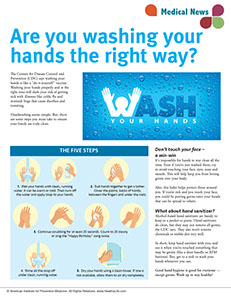
  • Are You Washing Your Hands The Right Way?

    MEDICAL NEWS

    Water drop illustration with the words "Wash your hand".

    The Centers for Disease Control and Prevention (CDC) says washing your hands is like a “do-it-yourself” vaccine. Washing your hands properly and at the right time will slash your risk of getting sick with illnesses like colds, flu and stomach bugs that cause diarrhea and vomiting.

    Handwashing seems simple. But, there are some steps you must take to ensure your hands are truly clean.

    The five steps

    1.  Wet your hands with clean, running water. It can be warm or cold. Then turn off the water and apply soap to your hands.

    2.  Rub hands together to get a lather. Cover the palms, backs of hands, between the fingers and under the nails.

    3.  Continue scrubbing for at least 20 seconds. Count to 20 slowly or sing the “Happy Birthday” song twice.

    4.  Rinse all the soap off under clean, running water.

    5.  Dry your hands using a clean towel. If one is not available, allow them to air dry completely.

    Don’t touch your face – a win-win

    It’s impossible for hands to stay clean all the time. Even if you’ve just washed them, try to avoid touching your face, eyes, nose and mouth. This will help keep you from letting germs into your body.

    Also, this habit helps protect those around you. If you’re sick and you touch your face, you could be putting germs onto your hands that can be spread to others.

    What about hand sanitizer?

    Alcohol-based hand sanitizers are handy to keep in a pocket or purse. Hand sanitizers do clean, but they may not remove all germs, the CDC says. They also won’t remove chemicals or visible dirt very well.

    In short, keep hand sanitizer with you, and use it when you’ve touched something that may be germy (like a door handle or ATM buttons). But, get to a sink to wash your hands whenever you can.

    Good hand hygiene is good for everyone – except germs. Wash up to stay healthy!

    © American Institute for Preventive Medicine
  • Start A Conversation About Domestic Violence

    FAMILY LIFE

    Image of female looking downwards.

    Everyone knows a victim of domestic violence, but most people don’t know what to do to help.

    “If someone comes to you and tells you they’re a victim of domestic violence, the most important thing you can do is offer your support without judgment,” said Vicky Dinges, vice president of corporate responsibility at Allstate. “There are 1,300 deaths and two million injuries related to domestic violence each year. Odds are we all know someone who’s in an abusive relationship. Knowing how to help might just save a life.”

    Here are some easy ways to start a conversation:

    *Offer support without judgment or criticism.There are a lot of reasons why victims may stay in an abusive relationship, and many reasons why they may also leave and return to the relationship multiple times. Let them know it’s not their fault and that they are not alone.

    *Don’t be afraid to tell them that you’re concerned for their safety.Help your friend or family member recognize the abuse while acknowledging that they are in a very difficult and dangerous situation.

    *Avoid confrontations.There are many reasons why people experiencing abuse don’t reach out to family and friends. It’s important to recognize when they are ready to talk about their experiences while still offering support.

    *Encourage them to get help.Suggest ways they can get additional support. Help them look into available resources, such as the National Domestic Violence Hotline number – 800-799-SAFE (7233) or website atwww.thehotline.org. This resource also finds local support groups and provides information on staying safe.

    © American Institute for Preventive Medicine
  • Cancer Awareness

    Cancer

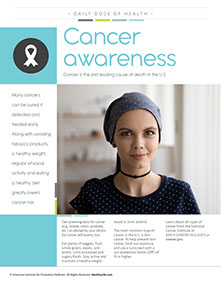
    Smiling female going through cancer.

    Cancer is the 2nd leading cause of death in the U.S.

    Many cancers can be cured if detected and treated early. Along with avoiding tobacco products, a healthy weight, regular physical activity and eating a healthy diet greatly lowers cancer risk.

    Get screening tests for cancer (e.g., breast, colon, prostate, etc.) as advised by your doctor. Do cancer self-exams, too.

    Eat plenty of veggies, fruit, whole grains, beans, and lentils. Limit processed and sugary foods. Stay active and maintain a healthy weight.

    Avoid or limit alcohol.

    The most common type of cancer in the U.S. is skin cancer. To help prevent skin cancer, limit sun exposure and use a sunscreen with a sun protection factor (SPF) of 15 or higher.

    Learn about all types of cancer from the National Cancer Institute at 800.4.CANCER (422.6237) orcancer.gov.

    Health at Home Lifetime book by the American Institute for Preventive Medicine. www.HealthyLife.com. All rights reserved.

    © American Institute for Preventive Medicine

  • Banish Biting Bugs

    SELF-CARE CORNER

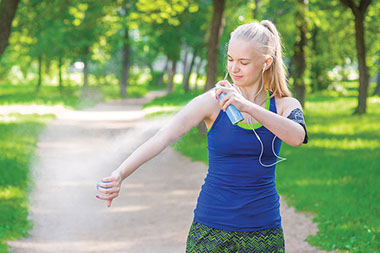
    Image of female spraying insect repellent on arm.

    Insects like mosquitoes and ticks may annoy you during a summer barbeque or camping trip. But an effective bug repellent does more than avoid an itchy inconvenience. It may help prevent you from getting sick. Mosquitoes and ticks may carry diseases that are dangerous to humans. Many ticks carry Lyme disease and mosquitoes may spread the West Nile and Zika viruses.

    To help keep mosquitoes away, use a repellent that’s been proven safe and effective by the CDC. Look at the label and choose a repellent with one of these active ingredients:

    *  DEET

    *  Picaridin

    *  IR3535

    *  Oil of lemon eucalyptus

    *  Para-menthane-diol

    The CDC recommends tick repellents that have one of the following active ingredients:

    *  DEET (20 to 30 percent): use on skin and clothing, but not under clothing.

    *  Permethrin: use on clothing and gear only.

    In addition to a repellent, there are other ways to avoid bugs:

    *  Avoid wooded and brushy areas when possible.

    *  Walk in the center of trails.

    *  Wear clothing that covers arms and legs.

    *  Minimize time outside at dawn and dusk, when mosquitoes are most active.

    *  Throw out standing water in tires, buckets, birdbaths or other outdoor items at least once a week.

    *  Do a full-body check for ticks after spending time outside.

    What to do if you spot a tick

    If you find a tick on your skin, it should be removed as soon as possible. Here’s what to do:

    *  Don’t panic.

    *  Use fine-tipped tweezers to grasp the tick as close to the skin’s surface as possible.

    *  Pull upward on the tick slowly and evenly. Don’t twist the tick or try to yank it out quickly.

    *  If parts of the mouth remain after you’ve tried to remove it, use the tweezers to try and get them out. If you can’t get them out, leave it alone so the skin can heal.

    *  After you’ve removed the tick, clean the bite area and your hands with soap and water, rubbing alcohol or an iodine scrub.

    *  If the tick is alive, don’t try to crush it. Instead, put it in alcohol or an airtight bag or container. You can also wrap it tightly in tape or flush it down the toilet.

    *  Ticks can also be removed by your doctor if you can’t get it out yourself.

    *  If you’ve been bitten by a tick, contact your doctor for follow-up care.

    © American Institute for Preventive Medicine

  • Sure-Fire Ways To Prevent Hair Loss

    SELF-CARE CORNER

    Image of man examining hair line.

    You can head off hair loss by changing the way you care for your hair, say the experts from the American Academy of Dermatology.

    *  Do you vigorously towel dry your hair? Instead of rubbing wet hair, which is more elastic and vulnerable to breaking, wrap your hair in a towel to absorb the water or let it air dry.

    *  Do you brush or comb your hair when it is wet? If you have straight hair and are of Caucasian or Asian descent, try to comb and brush your hair only when it is dry. Otherwise, you can stretch the strands and cause them to break. People who have tightly curled or textured hair or are of African descent should comb or brush their hair when it is wet. Doing so decreases the chance of hair breakage.

    *  Do you use a blow dryer or curling iron? The high heat from a blow dryer can actually boil the water in the hair shaft leaving the hair brittle. Let your hair partially air dry before you style or comb it.

    *  Do you use styling products that promise a long-lasting hold? While these products may give your hair unbeatable hold, using a comb to style your hair after you apply the product often causes the hair to break. Over time, this can lead to major hair loss. Reduce the use of these products to lessen hair loss.

    *  Do you try to fit in 100 brush strokes per day? It is a myth that 100 strokes a day promotes healthy hair. Vigorous brushing can strip the ends of the hair, causing split ends.

    *  Do you color, perm, or relax your hair? All processes damage the hair and can cause dry, brittle strands.

    * Do you wear braids, a ponytail, or hair extensions? All of these styles pull on your hair and lead to breakage.

    *  Do you skip the conditioner? Use a conditioner after every shampoo. A conditioner cannot repair hair, but it can increase shine, decrease static electricity, improve strength, and offer some protection from harmful sun rays.

    © American Institute for Preventive Medicine

  • Cervical Health

    Women’s Health

    Smiling women with laptop.

    Pap tests, pelvic exams, and a test for human papillomavirus (HPV) check for early signs of cervical cancer.

    If you are a female, start getting Pap tests at age 21 or within 3 years of the onset of sexual activity, whichever comes first. After that, get a Pap test at least every 3 years or as often as your doctor advises.

    If you are a female 30 to 65 years old, you may have an HPV test along with the Pap test. Talk to your doctor about which testing option, including how often, is right for you.

    Learn about cervical cancer from the Cancer Information Service at 800.4.CANCER (422.6237) andcancer.gov/types/cervical.

    Health at Home Lifetime book by the American Institute for Preventive Medicine. www.HealthyLife.com. All rights reserved.

    © American Institute for Preventive Medicine
  • Don’T Let Shin Splints Stop You

    BE FIT

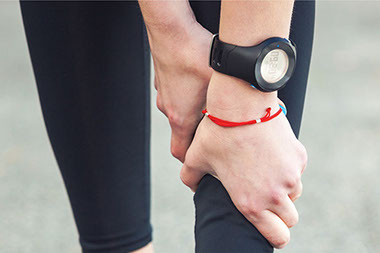
    Close up images of hands holding shins in pain.

    If you’ve ever felt aching or shooting pain up the front of your lower legs after running, it could be shin splints. Though it’s usually not serious, it can be painful enough to stop even the most dedicated exerciser.

    If you get shin splints, try these tips:

    *Switch to lower impact exercise.Until the pain goes away, try swimming, biking, or using an elliptical machine, so you put less pressure on your legs.

    *Wear proper shoes.If you’ve had the same running shoes for years, it may be time for a new pair. Support wears down over time, causing pain in the feet and legs. Make sure you have enough support under the arch and heel areas.

    *Ice the area.Apply ice packs for up to 20 minutes at a time, a few times a day, to help with pain.

    If the pain doesn’t go away, see your doctor. Sometimes shin splints may be a sign of a small bone break or inflammation of tendons in the legs.

    Source: American Academy of Orthopedic Surgeons

    © American Institute for Preventive Medicine