Tag: prevention

  • Surprisingly Simple Ways To Prevent Disease

    MEDICAL NEWS

    Image of happy man with thumbs up as he weighs himself.

    Five new studies support simple steps to prevent illness and improve overall health. The American Journal of Medicine reports the following based on multiple studies in several countries:

    *  Eating fresh fish regularly may reduce your risk of colorectal cancer.

    *  Still trying to stop smoking? Try acupuncture and hypnosis. Several studies found smokers had good success.

    *  Have your teeth cleaned regularly. Scaling removes harmful bacteria. You can reduce your risk for heart attack and stroke.

    *  Talk to your doctor about weight loss. People who were moderately obese, followed a diet plan from their doctors (not a weight loss clinic), and stuck with it at least 12 weeks, lost over 10% of their body weight.

    *  Low-dose aspirin, for people who can take it, offers preventive cancer benefits along with heart healthy help.

    © American Institute for Preventive Medicine

  • Cholesterol Health

    Heart & Circulation Problems

    Heart shape plate filled with walnuts, tomatoes, apple, garlic, etc.

    Controlling LDL-blood cholesterol levels lowers the risk for coronary heart disease. LDL-cholesterol is called “bad” cholesterol because high levels of it lead to a buildup of cholesterol in the arteries.

    To lower LDL-cholesterol, lose weight if you are overweight; limit saturated fats found in fatty meats high-fat dairy products, and desserts.

    Eat plenty of veggies, fruit, whole grains, beans, and lentils. Take cholesterol lowering medicine as advised. Also, stay physically active, manage stress, get quality sleep, avoid or limit alcohol, and quit tobacco.

    Get your blood cholesterol levels checked as often as advised by your doctor.

    Find out more about cholesterol and following a heart-healthy lifestyle atnhlbi.nih.gov/health/blood-cholesterol.

    Health at Home Lifetime book by the American Institute for Preventive Medicine. www.HealthyLife.com. All rights reserved.

    © American Institute for Preventive Medicine

  • Don’T Let The Bed Bugs Bite

    SELF-CARE CORNER

    Image of women making bed.

    Bed bugs have become more common in the U.S. in recent years. Common pesticides used to kill bed bugs may not work as well as they once did. The bugs may be getting “resistant,” which means they can survive pesticides used on them. This resistance, along with increased travel by people and lack of knowledge about how to get rid of them, are likely to blame for the rise in these pests.

    Bed bugs feed on blood so they are attracted to people and animals. They also come out at night, so the bed is the best place for them to find their meal.

    Check for bed bugs

    If you want to keep bed bugs out, you’ll need to check your home, as well as hotels while traveling. Look for small, reddish brown bugs about the size of an apple seed. Use a flashlight to get a good look. Check:

    *  Under and all around the mattress, box spring and bed frame

    *  Seams and small crevices where they like to hide –  bed bugs can get into cracks as thin as a credit card

    *  Nightstands and other furniture near beds

    Do I have bed bugs?

    Even if you don’t see any bugs, watch for signs that they are hiding in your home and biting people. The most common signs of bed bugs include:

    *  Small, reddish spots on bed sheets or mattresses

    *  Small round, dark spots on the bed  (may look like ink spots)

    *  Tiny eggs, egg shells or light yellow skins

    How to prevent them

    Bed bugs have been found in clean homes that are well cared for. They can be hard to keep out. These tips can help you keep them away:

    *  Check for bed bugs when you travel and don’t put your suitcase on the bed.

    *  When you get home from a trip, immediately wash your travel clothes in hot water.

    *  Keep luggage outside when you get home and vacuum it thoroughly. Empty the vacuum contents into a plastic bag, seal it and throw it in the garbage outside.

    If you find a bug that might be a bed bug, tape it to a piece of paper so you can show it to a pest control expert. Call a pest control company right away. If you live in an apartment or rental home, contact your landlord about what to do.

    The Environmental Protection Agency has information about getting rid of them on their website. Visitwww.epa.gov/bedbugs.

    Sources: National Institutes of Health, Environmental Protection Agency

    © American Institute for Preventive Medicine

  • Talk To Your Child About Abuse

    FAMILY LIFE

    Image of parents talking to their child.

    Parents generally teach their children about “stranger danger” from an early age. They are told not to talk to, walk with or take gifts or candy from strangers. But statistics show danger often lurks closer to home.

    According to the National Association of Adult Survivors of Child Sexual Abuse, the vast majority of children who are sexually abused are abused by someone they know-most often a family member, an adult the family trusts or, in some instances, another child.

    Parents can help protect their children from sexual abuse by talking frankly to them about abuse, starting at a young age with age-appropriate information, advises Kay Knaff, clinical services program manager for Youth Villages.

    How to talk to your child (starting about age 3 or 4) about sexual abuse:

    *  Tell your child about good touch-a hug or a pat on the back-and bad touch, when someone is touching private areas.

    *  Tell your child nobody-no family member, teacher, other child or adult-is allowed to touch him or her in the areas covered by a bathing suit because these are private areas. Exceptions are a parent bathing a young child or helping the child with using the bathroom, as well as a doctor or nurse when examining the child.

    *  Tell your child he or she has permission to tell any adult who touches them in their private areas, “No!”

    Tell your child that if anyone ever touches him or her in any way in their private areas, he or she should tell mom, dad and or grandma/grandpa or another trusted person about it immediately.

    Get help immediately. If you suspect your child has been abused, act immediately. Either call your local police, your local rape crisis center, child protective services or the Childhelp National Child Abuse Hotline at 1-800-4-A-CHILD (1-800-422-4453), then push 1 to talk to a hotline counselor.

    © American Institute for Preventive Medicine

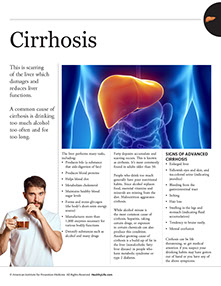
  • Cirrhosis: Be Kind To Your Liver

    Abdominal & Urinary Conditions

    The liver is probably the most versatile organ you’ve got. It performs many tasks, including:

    *  Producing bile (a substance that aids digestion of fats).

    *  Producing blood proteins.

    *  Helping blood clot.

    *  Metabolizing cholesterol.

    *  Maintaining normal blood sugar levels.

    *  Forming and storing glycogen (the body’s short-term energy source).

    *  Manufacturing more than 1,000 enzymes necessary for various bodily functions.

    *  Detoxifying substances such as alcohol and many drugs.

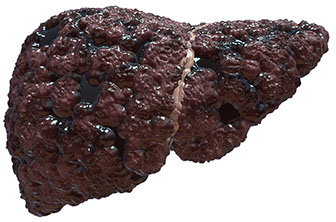
    Image of liver with cirrhosis.

    Liver with Cirrhosis

    The liver is equipped to handle a certain amount of alcohol without much difficulty. But drink too much alcohol, too often, for too long, and the vital tissues in the liver break down. Fatty deposits accumulate and scarring occurs. This is known as cirrhosis. It’s most commonly found in men over 45, yet the number of women developing cirrhosis is steadily increasing.

    To make matters worse, people who drink too much generally have poor nutritional habits. Since alcohol replaces food, essential vitamins and minerals are missing from the diet. Malnutrition aggravates cirrhosis.

    While alcohol abuse is the most common cause of cirrhosis, hepatitis, taking certain drugs, or exposure to certain chemicals can also produce this condition.

    Doctors recognize the following as signs of advanced cirrhosis.

    *  Enlarged liver.

    *  Yellowish eyes and skin, and tea-colored urine (indicating jaundice). Bleeding from the gastrointestinal tract.

    *  Itching.

    *  Hair loss.

    *  Swelling in the legs and stomach (indicating fluid accumulation).

    *  Tendency to bruise easily.

    *  Mental confusion.

    Cirrhosis can be life threatening, so get medical attention if you suspect your drinking habits may have gotten out of hand or you have any of the above symptoms. And needless to say, you (or anyone you suspect of having cirrhosis) should abstain from alcohol.

    A Year of Health Hints book by the American Institute for Preventive Medicine. www.HealthyLife.com. All rights reserved.

    © American Institute for Preventive Medicine

  • Exercise May Keep Some Cancers Away

    BE FIT

    Low angle image of women running.

    A recent study from the National Cancer Institute and the American Cancer Society says the most active people have a lower risk of getting 13 different types of cancers. The study said the most active people saw the most benefit, but even moderate exercise (150 minutes per week) was still very helpful. Examples of moderate exercise are walking, swimming and running.

    According to the study, people who exercise regularly have a lower risk of:

    *  Colon cancer

    *  Breast cancer

    *  Endometrial (uterine) cancer

    *  Esophageal adenocarcinoma

    *  Liver cancer

    *  Cancer of the gastric cardia

    *  Kidney cancer

    *  Myeloid leukemia

    *  Myeloma

    *  Cancers of the head and neck, rectum and bladder

    © American Institute for Preventive Medicine

  • The Downside Of Skiing: Falls And Spills

    BE FIT

    Image of man on top of a skiing slope.

    If you find yourself heading downhill on skis, but you’re swooshing down on your backside because of a fall, you’ll be glad you prepared for the inevitable spills.

    According to the American College of Sports Medicine, falls account for up to 85% of skiing injuries. The majority of those injuries are sprains, broken bones, cuts, and dislocations-and now more knee injuries because mid-calf plastic ski boots are protecting ankles.

    Thirty to 40% of ski injuries affect the knee area, most likely the MCL (medial collateral ligament). This trauma often occurs with slow twisting falls or when beginners maintain a snowplow position for lengthy periods and stress the ligament. If skiers catch an edge (when the lower leg is suddenly twisted away from the upper leg) or skis separate, the foot is forced away from the body, which causes a distraction force on the inside of the knee.

    Another common knee injury is rupture of the anterior cruciate ligament (ACL), which can be caused by a backward fall as the lower leg moves forward. Catching an edge causes a sudden external rotation below the knee, which can cause the ACL to become sprained or snap (5 times more common in women skiers).

    Your pre-conditioning program should include 4 elements: endurance, strength training, flexibility, and balance. Aerobic fitness is the key to preventing the end-of-the-day injuries. Cross training, which includes multiple sports and activities, will help with cardiovascular endurance, while strength and flexibility focusing on the legs is vital for injury prevention, says Scott M. Levin, MD, a board-certified orthopaedic surgeon and sports medicine specialist.

    “Besides conditioning, skiers need to warm up and stretch before starting down the hill because cold muscles are more prone to injury,” notes Dr. Levin. Warm up with jumping jacks, running, or walking in place for a few minutes and then stretch your hamstrings, hip flexors, and quadriceps.

    © American Institute for Preventive Medicine

  • Colorectal Cancer

    Cancer

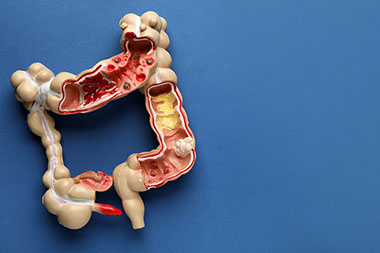
    Plastic model colon showing parts of the inside of the colon.

    In the U.S., cancer in the colon or rectum is the 4th most common type of cancer diagnosed in men and women. Finding cancers of the colon and rectum in their early stages allows for more successful treatment.

    Discuss screening for colorectal cancer with your doctor if you are age 45 and older (earlier if you have a family history of colorectal cancer).

    To help prevent colon cancer, get to and stay at a healthy weight. Get regular physical activity. Eat plenty of vegetables, fruit, and whole grains. Limit red meat and processed meats, like hot dogs and sausage. Also, avoid or limit alcohol and quit smoking.

    Learn more about colorectal cancer, including current guidelines on screening methods fromcancer.gov/types/colorectal.

    Health at Home Lifetime book by the American Institute for Preventive Medicine. www.HealthyLife.com. All rights reserved.

    © American Institute for Preventive Medicine

  • Fall Foods Fight Cancer

    HEALTHY EATING

    Image of pumpkin soup.

    The harvest bounty should end up on your dinner table. Stacy Kennedy, a senior nutritionist at Dana-Farber Cancer Institute in Boston, says many fruits and vegetables are at their nutritional peak in the fall so it’s a great time to incorporate them into a healthy diet.

    Kennedy shares the ABC’s of fall foods:

    *“A” is for apple.Studies suggest that eating at least one apple a day can help prevent some types of cancer. Besides being crisp, sweet, and juicy, apples contain quercetin, a nutrient that protects the cells’ DNA from getting damaged. This damage could lead to cancer. Eat apples raw with the skin on because that’s where many of the nutrients are found.

    *“B” is for berries-cranberries.Eat cranberries year-round. Cranberries contain benzoic acid, which has been shown to inhibit the growth of lung cancer, colon cancer, and some forms of leukemia. Buy bags of fresh cranberries now, while they are in season and at their nutritional peak, and pop them in the freezer for later use. This will help ensure that the berries will provide the highest level of cancer protection whenever they’re used.

    *“C” is for color.Just like the leaves on the trees, fall is a time for colorful vegetables like beets, carrots, and parsnips. They add a burst of color and taste. The brighter and richer the pigment, the higher the level of cancer- fighting nutrients.

    *“D” is for dark leafy vegetables.Kale is a top choice because it’s rich in phytonutrients called indoles, which stimulate liver detoxification and help fight cancer. Other members of the cruciferous family include broccoli, cabbage, and Brussels sprouts.

    *“E” is for everything orange.Pumpkins, squash, carrots, and sweet potatoes are all packed with a cancer-fighting nutrient called carotenoid. Kennedy stresses that pumpkin isn’t just for pies. She suggests eating it year round by adding it to soup, smoothies, pancake batter and even raviolis.

    FYI: Tomatoes and plastic

    To keep your plastic storage containers from becoming discolored from acidic tomato products, spray with a non-stick cooking spray first, then place your food items inside. This food prep advice is from the extension experts at the University of Nebraska-Lincoln.

    © American Institute for Preventive Medicine

  • Ticked Off

    MEDICAL NEWS

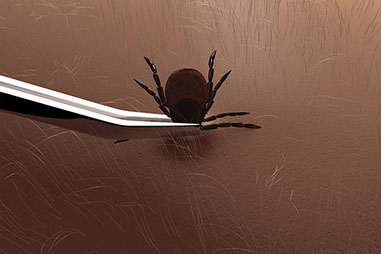
    Close up image of a tick being removed from a person's skin.

    Act fast to lower your risk for problems related to Lyme disease caused by tick bites, urges Time for Lyme, Inc.

    Have I been bitten? Lyme disease can only be transmitted from a bite by an infected deer tick, not from another person or animal, although pets commonly bring ticks into the home. All family members and pets should be inspected immediately and carefully after exposure to tick environments. You’ve been bitten if you find a tick attached to the skin. The longer it has been attached, the greater the risk of disease.

    How should I remove the tick? The proper way to remove a tick is with a set of fine-point tweezers. Do not attempt to burn the tick or use your fingers or soap or any other substance on it, as these may irritate the tick and cause it to inject bodily fluids into the wound.

    Using fine-point tweezers, grasp the tick as close to the skin surface as possible, near the head of the tick. Pull backward gently but firmly, using an even, steady pressure. Do not jerk or twist. Do not squeeze, crush, or puncture the body of the tick, as this may cause transmission of infection-causing organisms. If any mouth parts of the tick remain in the skin, leave them alone; they will come out naturally.

    If the tick is found crawling, a good way to remove it is by using a piece of tape: stick the tape to the tick and then suffocate it by sealing it into the tape. Otherwise, you can dispose of it in alcohol or flush it down the toilet. After removing the tick, wash your skin and hands thoroughly with soap and water.

    Monitor any bite site for redness that might mean a rash of Lyme disease. A bull’s-eye pattern might develop. Other typical symptoms that may develop within a few days of being bitten include headache, stiff neck, swollen glands, fatigue, dizziness, and pains that come and go.

    See your doctor if you have symptoms or concerns. Early Lyme disease is treated with antibiotics. For more information, go towww.LymeResearchAlliance.org.

    © American Institute for Preventive Medicine