Tag: probiotics

  • Eating To Enhance Gut Health

    HEALTHY EATING

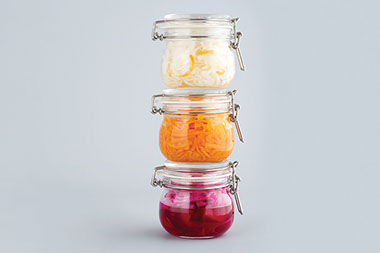
    Three stacked jars with picked carrots, beets and onion.

    The health of your gut microbiome is a significant factor in the health of your entire digestive system. How well your stomach and intestines digest and absorb the food you eat depends on the condition of the microorganisms in your gut.

    In turn, what you eat can either support the diversity of your microbiome or disrupt the delicate balance.

    Certain foods provide necessary nutrients to support the growth of beneficial bacteria. The more beneficial bacteria you have in your digestive tract, the less room there is for unhealthy bacteria to grow.

    Probiotics

    Probiotics are live bacteria and yeasts which have beneficial functions in the body. Probiotics may be present in foods that have undergone fermentation. Ingesting probiotics through food or supplements can boost the number of beneficial microorganisms in your digestive system.

    Regular consumption of foods that contain probiotics may improve digestive health and boost the immune system. Choose some of these foods as part of your daily diet:

    *  Yogurt (with live active cultures) or kefir

    *  Saukraut

    *  Kombucha

    *  Tempah

    *  Miso

    *  Kimchi

    *  Pickles

    Prebiotics

    Prebiotics provide essential nutrients that feed beneficial bacteria and encourage their growth.

    Most prebiotics are a type of fiber that is indigestible to the body. The microorganisms in the digestive tract can break down these fibers into short-chain fatty acids (SCFA). These SCFAs provide valuable food for the probiotic communities in the body. Beneficial prebiotic foods include:

    *  Garlic

    *  Onion

    *  Asparagus

    *  Bananas

    *  Oats

    *  Flaxseeds

    *  Apples

    Should you take a supplement?

    Supplements containing probiotics are widely available. However, supplements are not regulated by the FDA and should be approached with caution.

    Talk to your doctor before starting any supplement to make sure it is a safe choice for you. In the meantime, probiotic and prebiotic foods are a generally safe way to support gut health.

    © American Institute for Preventive Medicine
  • Easy Ways To Tolerate Milk

    Nutrition

    For millions of people, drinking milk isn’t so easy. People with lactose intolerance can’t digest lactose (the sugar in milk), so they can’t drink milk or eat milk products without suffering some or all of the following symptoms.

    *  Gas in the lower intestine.

    *  Abdominal pain and cramps.

    *  Bloating.

    *  Diarrhea.

    *  Nausea.

    Intestinal distress may occur within minutes of consuming a food containing lactose and sometimes lasts for hours. The cause is a deficiency of lactase, the enzyme responsible for digesting lactose. The only “cure” for lactose intolerance is a milk-free diet. But because milk and milk products are important sources of calcium, avoiding these foods can deprive you of that essential mineral.

    To have your milk and digest it, too, try these maneuvers.

    *  Learn which foods are the most difficult for you to digest and avoid them. Some people with lactose intolerance can tolerate certain dairy products if they eat small portions at a time.

    *  Read food labels carefully. Avoid products containing milk, milk solids, or whey solids. Items marked “parve” are milk free.

    *  Pretreat milk with the enzyme lactase, available over-the-counter in powder or capsule form as Lactaid. Added to milk 24 hours before you drink it, lactase predigests most of the lactose so you don’t have to. Lactase tablets, taken as a digestive aid, are also available.

    *  Purchase Lactaid brand milk, ice cream, and cheese products, which have been treated with lactase, and are available in many supermarkets. Or use soy milks, yogurts, etc.

    Page from A Year of Health Hints book by the American Institute for Preventive Medicine. www.HealthyLife.com. All rights reserved.

    © American Institute for Preventive Medicine

  • Tips For Good Digestion

    Mature Health: Over Age 50

    Image of mature couple eating at home.

    Around the age of 40, people begin to notice that they can’t tolerate certain foods as well as they used to. As you get older, your stomach produces a smaller volume of digestive enzymes and other secretions, and your body may not digest or absorb foods as easily as it did when you were younger.

    If you are prone to digestive problems, follow these tips.

    *  See a dentist if you are having trouble with your teeth or dentures. Poorly fitting dentures, sensitive teeth, and diseased gums can make chewing difficult.

    *  Eat smaller, lighter meals, spaced throughout the day, instead of heavy meals. As a person ages, the blood supply to the small intestine declines, hindering the absorption of nutrients from a sudden, large delivery of food.

    *  To prevent gas and bloating, don’t gulp liquids or talk while chewing food.

    *  Limit the amount of gas-producing foods you eat. Cabbage, onions, and cooked dried beans are common offenders.

    *  Eliminate milk products from your diet if they cause bloating, intestinal gas, or diarrhea, but be sure to supplement your diet with calcium. (You may be able to tolerate small amounts of milk products if you treat them with Lactaid, a digestive aid sold in many health food stores.

    *  Avoid wearing tight clothing around your waist at mealtime.

    *  Don’t lie down for at least 2 hours after you’ve finished a meal, and don’t eat right before bedtime.

    A Year of Health Hints book by the American Institute for Preventive Medicine. www.HealthyLife.com. All rights reserved.

    © American Institute for Preventive Medicine

  • Drink To Your Health With Kefir

    HEALTHY EATING

    Image of kefir.

    One of the newer additions to the dairy section, kefir is a type of fermented milk product similar to yogurt. Its consistency is generally thin, so it’s usually sold in bottles as a drink. But what makes it different from yogurt, besides the ability to skip the spoon?

    Like yogurt, kefir is usually made from dairy milk that is fermented with helpful bacteria (though it can be made with non-dairy milks as well). These bacteria, known as probiotics, may have a number of health benefits, according to the National Center for Complementary and Integrative Health. Probiotics may be helpful in treating the following issues:

    *  Diarrhea, constipation, irritable bowel syndrome and other bowel disorders

    *  Digestive problems, such as acid reflux

    *  The common cold

    *  Seasonal allergies and eczema

    *  Cavities and gum disease

    *  Colic in babies

    *  Liver disease

    Kefir may also help prevent stomach side effects and complications that arise from taking antibiotics.

    Kefir contains many different strains of probiotics and generally has a bigger variety than store-bought yogurts. It also contains beneficial yeast–an ingredient not found in yogurt. This friendly yeast may help fight off bad yeast in the body, such as those that cause yeast infections.

    Many people who are lactose intolerant can still drink dairy kefir. The lactic acid bacteria found in kefir breaks down the lactose, making it easier to digest. People with dairy allergies, however, should only consume a dairy-free version.

    How to get it:

    Kefir can be made at home with plain milk and kefir starter grains, which are usually found at health food stores. Though plain is healthiest, many people find they need to sweeten it to offset the tart taste. Try mixing it in smoothies with fresh or frozen fruit.

    Many grocery stores carry kefir in the dairy section near the yogurt. Though kefir is healthy, look at the label before purchasing. Some brands and flavors may contain too much sugar or artificial sweeteners.

    © American Institute for Preventive Medicine