
Tag: protection

  • Melanoma And Skin Cancer Awareness

    MEDICAL NEWS

    Image of father and child walking on the beach with a big blue umbrella.

    Skin cancer is the most common type of cancer in the U.S. Melanoma, the deadliest form of skin cancer, kills one American every 54 minutes.

    The good news is many cases of skin cancer can be prevented. Before you head outside to enjoy the sunshine and fresh air, know how you can protect yourself and your family from skin cancer.

    *There’s no “safe” tan:Getting a “base” tan before vacation isn’t safe. It increases your risk of skin cancer and aging of the skin. Using self-tanners is the only safe way to get a bronze glow.

    *Seek shade:One of the best ways to avoid UV rays is to love the shade. Trees, umbrellas and buildings are easy ways to keep the sun’s rays off your skin, especially between the hours of 10 a.m. and 4 p.m., when rays are strongest.

    *Get vitamin D safely:Though the skin makes vitamin D when it’s exposed to the sun, there are safer ways to get what you need of this nutrient. Eggs, fatty fish, fortified dairy and juice are good ways to get your D.

    *Use caution with water and snow:Swimming and skiing can expose the skin to more UV rays because the sun reflects off water and snow. Be diligent about sun protection during these kinds of activities.

    *Apply (and reapply) sunscreen:Use a sunscreen labeled “broad spectrum” with an SPF of at least 30. Reapply at least every 2 hours, and after swimming or toweling off.

    *Use protective clothing:Sun protective hats, shirts, scarves and more are available to help block UV rays. Look for clothing and swimwear with a “UPF” rating on the label for protection. Use it with sunscreen for optimum protection.

    Finally, contact your doctor if you notice a new, itchy or painful mole. Moles with irregular shapes and borders or those that are black or multicolored should be checked.

    Sources: U.S. Department of Health and Human Services, American Cancer Society, Skin Cancer Foundation

    © American Institute for Preventive Medicine

  • Protect Yourself From Medical Identity Fraud

    MEDICAL NEWS

    Image of money and a stethoscope.

    It’s America’s fastest growing identity crime. DHHS says health care data hacking has affected more than 34 million Americans. Stolen records provide information for tax and insurance fraud.

    “When someone steals your medical identity, they corrupt your individual health record, so the next time you receive care your doctor can be working off a file riddled with bad information,” say ID Experts, a medical software provider.

    Use these wise fraud protection tips.

    *  Protect your health insurance card as carefully as you would your Social Security or credit cards. Theft of these cards allows someone to assume your identity to receive care. Treat their loss as seriously as a missing credit card; notify your insurance company and include it on any police report you file.

    *  Never share your insurance with a friend or family member. When someone pretends to be you to receive health care, your lifetime medical records become compromised. This can lead to a future misdiagnosis, a prescription mistake, or other inappropriate treatment.

    *  Use strong passwords on patient portals and change them often.

    *  Be observant in medical offices. Don’t just fill out the HIPAA policy form and then assume your provider is being careful. Raise concerns, like medical records sitting open on desks or unattended and unlocked computer terminals.

    *  Do NOT provide your medical information to someone who calls or emails you about your “possible involvement in a recent breach.”

    © American Institute for Preventive Medicine

  • Stop! Thief

    FINANCIAL HEALTH

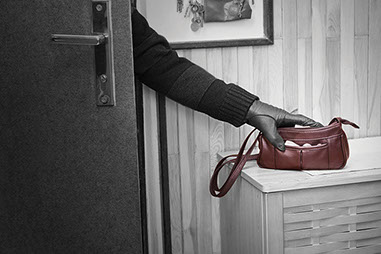
    Image of arm sneaking in from a door grabbing a purse on the counter.

    When your purse or wallet is lost or stolen, do you know the 8 steps you need to take right away because the thief is already cashing in on your loss? Act fast, advises the Federal Trade Commission:

    1. File a report with the police immediately. Get a copy in case your bank, credit card company, or insurance  company needs proof of the crime.

    2. Report the loss to your bank. Cancel checking and savings accounts. Open new ones, and stop payments on outstanding checks. Cancel each credit and charge card. Get new cards with new account numbers. Get a new ATM card, account number, and PIN or password.

    3. Call your utility companies. Tell them that someone may try  to get new service using your identification.

    4. Report your missing driver’s license to the department of  motor vehicles.

    5. Report missing cards to the major credit reporting agencies and place a fraud alert on your accounts: Equifax: 1-800-525-6285, Experian: 1-888-397-3742, TransUnion: 1-800-680-7289.

    6. Change the locks on your home and car if the keys were taken.

    7. Contact the Social Security Administration.    Call: 1-800-772-1213.

    8. Contact your insurance companies. Make sure no one tries to add someone to your policies.

    © American Institute for Preventive Medicine
  • Sun Sense

    SELF-CARE CORNER

    Image of sunscreen being applied to a kid's face.

    Did you know … the term “sunblock” is no longer used on sunscreen labels because no sunscreen can block all of the sun’s rays? You’ll now see the term “broad spectrum” that indicates a level of protection offered from both UVA and UVB rays.

    Sunscreens really aren’t waterproof either. Apply and reapply at least every 2 hours, but question why you’re out in the sun for that long a period of time anyway.

    Remember, only broad spectrum sunscreens with an SPF value of 15 or higher can claim to reduce the risk of skin cancer and early skin aging, and that’s only if they’re used correctly and with other sun protection measures such as wide-brimmed hats (not baseball caps) and sunglasses.

    Nobody ever applies enough sunscreen. And many people forget about ears, backs of necks, nose, lips, and tops of feet (avoid wearing flip-flops).

    Source: University of Michigan Health System, Loyola University Medical Center

    © American Institute for Preventive Medicine