Tag: protein

  • 5 Ways To Feel Fuller, Longer

    HEALTHY EATING

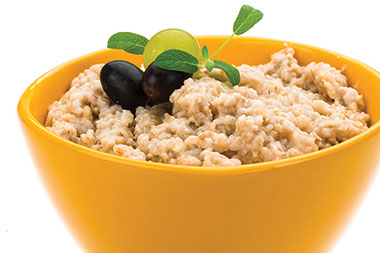
    Image of a bowl with oatmeal.

    Want to feel full without overeating?Certain nutrients and foods may help curb your appetite and make you feel fuller longer, according to the Institute of Food Technologists.

    1. Protein

    Add protein (such as low-fat cheese) to breakfast. And a high-protein afternoon snack containing soy can lead to appetite control and less evening snacking.

    2. Whole grains and fiber

    Oats increased appetite-control hormones up to  4 hours after a meal, but rice-based foods did not.

    3. Eggs

    Eggs are one of the densest proteins in the non-meat category. Eating one egg with breakfast will help to reduce hunger between meal times.

    4. Almonds

    The healthy fats in almonds decrease hunger and improve dietary vitamin E intake. People who ate 1.5 oz. of dry-roasted, lightly salted almonds every day helped curb their hunger without increasing body weight.

    5. Pulses

    Part of the legume family, pulses include dried peas, edible beans, lentils, and chickpeas. They are high in protein and low in fat, and are proven to contribute to a feeling of fullness.

    © American Institute for Preventive Medicine

  • Chocolate Milk May Be The Best-Kept Secret

    HEALTHY EATING

    Image of young boy drinking chocolate milk.

    Chocolate milk may be the best-kept secret for making sure kids get the calcium they need every day. Contrary to popular myths, chocolate milk is nutrient-rich, adds only a few more calories and not much caffeine, and is kids’ number-one flavor pick. Kids have a limited time to build up their “bone bank.” The calcium in chocolate milk is one way to assure timely deposits, according to the National Dairy Council.

    © American Institute for Preventive Medicine

  • Choosing Healthy Nut Butters

    HEALTHY EATING

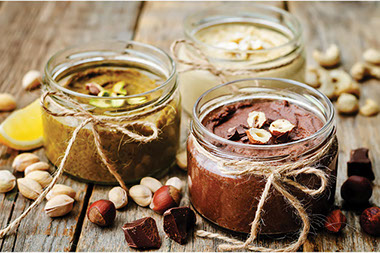
    Image of 3 different nut butter spreads.

    For many years, people thought they should avoid fats to be healthy. But the Academy of Nutrition and Dietetics says eating the right kinds of fat is good for you, and may even be good for your heart.

    Nut butters can be a healthy way to get some of these fats. But with so many different types, how do you choose? Each offers different benefits, so try  eating a variety.

    *Peanut butter:This popular nut butter contains plenty of monounsaturated fat, which has been shown to help lower bad cholesterol. This can reduce your risk of heart disease and stroke.

    *Almond butter:Almonds are an excellent source of vitamin E, which is an important nutrient for your heart and immune system, according to the National Institutes of Health. It also contains an even higher amount of monounsaturated fat than peanut butter.

    *Walnut butter:Although this can be harder to find, some health food stores carry walnut butter. It contains a high amount of polyphenols, which help reduce the risk of heart disease. It also contains omega-3 fats, which reduce inflammation in the body. This is especially good for people with diseases like Crohn’s disease, multiple sclerosis and rheumatoid arthritis.

    Although nut butters are healthy, they are high in calories. Be careful about portion sizes and avoid eating too much. Choose nut butters that have no added sugar or salt listed in the ingredients.

    Source: American Heart Association; USDA National Nutrient Database

    © American Institute for Preventive Medicine
  • Easy Protein Snacks

    HEALTHY EATING

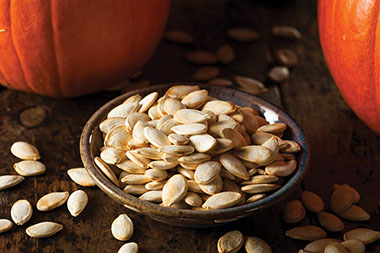
    Image of roasted pumpkin seeds.

    A great way to get healthy protein throughout the day is to make snacks with protein. The protein can help you feel fuller, holding you over until your next meal. These snacks may also help avoid a blood sugar crash that leaves you feeling sluggish and even hungrier than before. Try these ideas for tasty and easy-to-pack snacks:

    *  Hummus with sliced peppers, carrots, celery or cucumbers

    *  Peanut butter or almond butter with a banana

    *  ¼ cup of nuts, such as almonds, walnuts or pistachios with fresh fruit

    *  Roasted pumpkin seeds (buy them roasted or bake on a cookie sheet at 300º for 20 minutes)

    *  Tortilla with black beans, salsa and a sprinkle of low-fat cheese

    *  Roasted soy nuts (available at many supermarkets)

    *  A hard-boiled egg with leafy greens

    *  Low-fat string cheese with an apple or pistachios

    © American Institute for Preventive Medicine

  • Easy Snacks For High Energy

    HEALTHY EATING

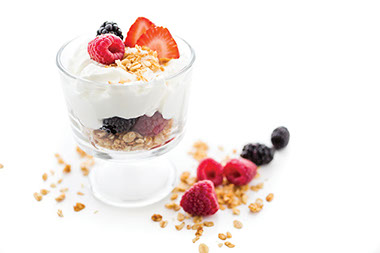
    Image of greek yogurt and fresh berries.

    One way to keep your energy up is to choose snacks that have fiber and protein. These foods are digested more slowly. That way you won’t “crash” like you do after eating sugar-filled and low-fiber foods. Some healthy choices include:

    *  An apple with a small handful of nuts

    *  Carrots and celery with string cheese

    *  Greek yogurt and fresh berries

    Source: Academy of Nutrition and Dietetics

    © American Institute for Preventive Medicine
  • Meatless Meals (Try It)

    HEALTHY EATING

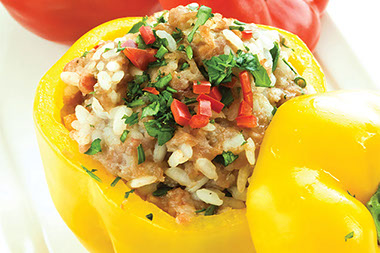
    Image of yellow and red peppers stuffed with rice and other vegetables.

    You don’t have to become a vegetarian to enjoy a meatless meal. Try working more meatless meals into your week, suggests the Recipe Doctor, Elaine Magee, MPH, RD, author of Food Synergy.

    *  Substitute a soy “meat” product for the meat ingredient in casseroles, stews, tacos, and chili.

    *  Break out a can of beans. They make great meal replacers because they’re super satisfying, with high amounts of protein and fiber. In a nice vegetable stew bursting with beans, you might not notice the meat is missing.

    *  Try a veggie potpie featuring potatoes, peas, mushrooms, and any other vegetables with vegetarian gravy and pie crust.

    *  Make Mexican dishes (burritos, nachos, enchiladas, for example) featuring beans and veggies instead of beef and chicken.

    *  Stir-fry Chinese cuisine with veggies and tofu and serve over rice or noodles.

    *  Stuff bell peppers with a mixture of rice with spices and vegetables plus vegetarian sausage, tofu, or beans to make the dish more satisfying.

    *  Layer lasagna with veggies instead of meat. Spinach replaces ground beef.

    *  A grilled Portobello mushroom can stand in for a burger on a bun.

    © American Institute for Preventive Medicine

  • No Yoke?

    HEALTHY EATING

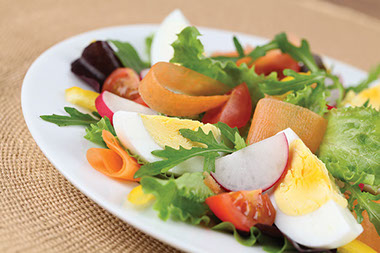
    Image of salad with hard boil eggs.

    Adding eggs to a salad with a variety of raw vegetables is an effective method to improve the absorption of carotenoids. Those are fat-soluble nutrients that help reduce inflammation and oxidative stress, according to research from Purdue University. “Eating a salad with a variety of colorful vegetables provides several unique types of carotenoids, including beta-carotene, lutein, zeaxanthin, and lycopene,” said Wayne Campbell, a professor of nutrition science. “The lipid contained in whole eggs (including the yoke especially) enhances the absorption of all these carotenoids.”

    This research is published in the American Journal of Clinical Nutrition.

    FYI:

    The 2010 Dietary Guidelines for Americans recommends limiting dietary cholesterol to no more than 300 mg a day. (A single egg has almost 200 mg.) The 2015 Dietary Guidelines, to be published later this year, will no longer restrict dietary cholesterol. Why? The 2015 Dietary Guidelines Advisory Committee’s found no evidence to show a strong enough link between consuming dietary cholesterol and blood cholesterol levels. As with all medical guidelines, discuss your particular needs with your doctor.

    © American Institute for Preventive Medicine