Tag: quality

  • Rate Your Doctor

    Medical Care

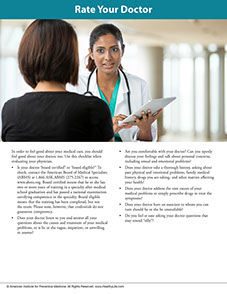
    In order to feel good about your medical care, you should feel good about your doctor, too. Use this checklist when evaluating your physician.

    *  Is your doctor ‘board certified” or ‘board eligible?” To check, contact the American Board of Medical Specialists (ABMS) at 1.866.ASK.ABMS (275.2267) or accesswww.abms.org. Board certified means that he or she has two or more years of training in a specialty after medical school graduation and has passed a national examination certifying competence in the specialty. Board eligible means that the training has been completed, but not the exam. Please note, however, that credentials do not guarantee competency.

    *  Does your doctor listen to you and answer all your questions about the causes and treatment of your medical problems, or is he or she vague, impatient, or unwilling to answer?

    *  Are you comfortable with your doctor? Can you openly discuss your feelings and talk about personal concerns, including sexual and emotional problems?

    *  Does your doctor take a thorough history, asking about past physical and emotional problems, family medical history, drugs you are taking, and other matters affecting your health?

    *  Does your doctor address the root causes of your medical problems or simply prescribe drugs to treat the symptoms?

    *  Does your doctor have an associate to whom you can turn should he or she be unavailable?

    *  Do you feel at ease asking your doctor questions that may sound
    Page from A Year of Health Hints book by the American Institute for Preventive Medicine. www.HealthyLife.com. All rights reserved.

    © American Institute for Preventive Medicine

  • 8 Healthy Sleep Habits

    Sleep Well

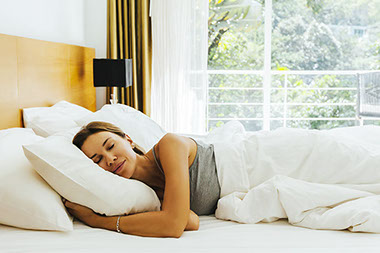
    Bed with blue bedding.

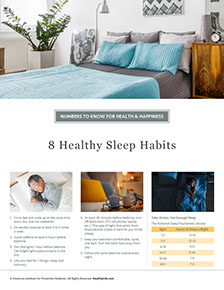
    1. Go to bed and wake up at the same time every day, even on weekends.

    2. Do aerobic exercise at least 3 to 4 times a week.

    3. Avoid caffeine at least 6 hours before bedtime.

    4. Dim the lights 1 hour before bedtime. Get bright light exposure early in the day.

    5. Use your bed for 2 things−sleep and intimacy.

    6. At least 30 minutes before bedtime, turn off electronics (TV, cell phone, laptop, etc.). The type of light that emits from these devices makes it hard for you to fall asleep.

    7. Keep your bedroom comfortable, quiet, and dark. Turn the clock face away from you.

    8. Follow the same bedtime routine every night.

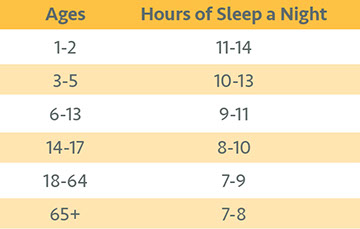
    Take Action: Get Enough Sleep

    The National Sleep Foundation advises:

    © American Institute for Preventive Medicine
  • Sleep Tips

    Sleep Well

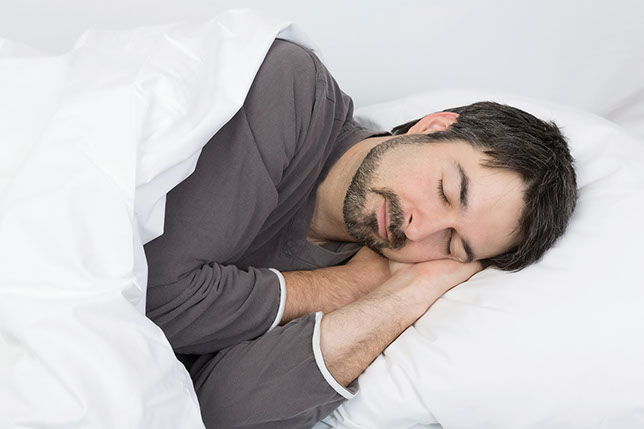
    Man sleeping.

    Nothing makes you feel better than a good night’s sleep.

    *  Do physical exercise daily.

    *  Follow a regular daily schedule for meals and snacks.

    *  Don’t have more than 1 alcoholic drink with or after dinner. Avoid large meals near bedtime.

    *  Plan to wake up about the same time everyday. Avoid long naps during the day.

    *  Get sunlight everyday, especially in the afternoon.

    *  Dim the lights in the house an hour or two before going to bed.

    *  Follow a bedtime routine. Keep your bedroom dark, quiet, and comfortable.

    *  Limit caffeine. Do not have any for 6 hours before bedtime.

    © American Institute for Preventive Medicine
  • Exercise And Sleep

    Healthylife® Weigh

    Part 5

    Women sleeping.

    Physical activity can help you sleep better. After your body has worked hard, deep sleep is triggered to help your body recover, repair, and get ready for more activity. This natural drive helps you fall asleep and sleep more restfully.

    Be active outdoors, when possible. Outdoor physical activity increases exposure to sunlight. This helps to strengthen your body’s circadian rhythm (natural sleep clock). A stronger circadian rhythm helps you feel sleepy when it’s time to rest.

    Sleep Helps You Recover from Exercise

    Physical activity triggers a cycle of muscle break-down and repair. The repair process depends on sleep. Without enough sleep, repair is limited. This can increase the risk of injury and limit athletic goals (e.g., running or walking farther or lifting more weight).

    Severe sleep restriction (less than four hours per night) can cause dramatic increases in your heart rate and blood pressure. This strains your heart. Not only does this limit your ability to exercise, but your risk for heart attack and cardiovascular problems increases.

    Timing Exercise with Sleep

    Physical activity increases adrenaline in the body. This hormone increases your heart rate and alertness. Plan vigorous exercise at least four to six hours before bedtime. Light exercise and mild activities should end at least two to four hours before bedtime.

    © American Institute for Preventive Medicine
  • Simple Ways To Get Better Sleep

    WELL-BEING

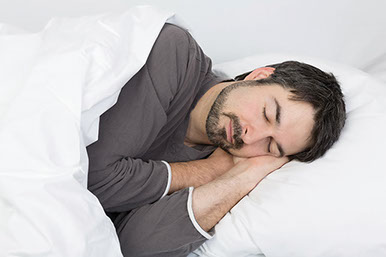
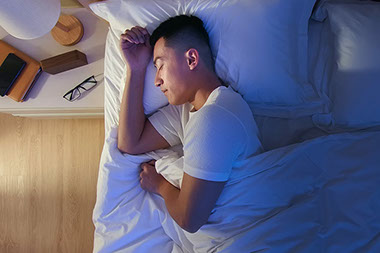
    Image of man sleeping.

    Lack of sleep can affect the body in many ways. Beyond just feeling tired, long-term sleep deprivation may be linked to health problems such as heart disease, obesity and depression. Try these tips to get better sleep each night:

    *Have a consistent schedule.Get up at the same time each morning and go to bed at the same time each night. This will help to set your body’s internal clock. Over time, you’ll fall asleep quicker and may sleep better throughout the night.

    *Skip screens.The light given off by smartphones, tablets and computers can actually keep you awake. Avoid electronics in the evening, at least 2 hours before bedtime.

    *Think about skipping naps.Although a nap may feel great when you’re tired, it could be causing more sleep problems. Napping can interfere with your sleep schedule and make you too alert at bedtime. If you have trouble falling asleep at night, skip the nap and get to bed a little sooner.

    *Get moving.Exercise during the day has been shown to improve sleep quality. Walking, jogging, or any activity you enjoy can be helpful. Don’t exercise within 2 hours of bedtime, though, if you have trouble falling asleep.

    *Be careful about caffeine.That afternoon cup of coffee could still be in your system at bedtime, making it difficult to fall asleep. Try to avoid soda, tea and coffee after lunch.

    *Don’t smoke.Nicotine interferes with sleep and harms your health in many other ways. If you need help quitting, talk to your doctor or visitsmokefree.govfor free help with quitting. It’s never too late to quit.

    *Don’t eat a big meal before bed.Heavy meals can interfere with sleep and make you restless. Eat dinner about 2 to 3 hours before bedtime. If you need a snack, make it small and light, such as yogurt and fruit or a handful of nuts.

    Source: National Sleep Foundation

    © American Institute for Preventive Medicine
  • Sleep, But How?

    MEDICAL NEWS

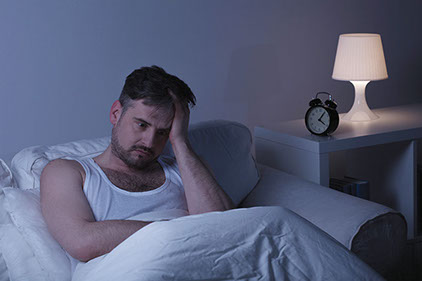
    Image of man awake in bed.

    “We know that how much you sleep and the quality of your sleep can have a tremendous impact on your overall health,” said Dr. David J. Earnest, professor at the Texas A&M Health Science Center College of Medicine, who studies circadian rhythms-the human body’s master clock.

    “We’re starting to recognize that sleep deprivation and disorders are more prevalent than any other health disorder that affects Americans,” he said.

    If you feel like there’s a deeper cause to your sleep woes, you may be like 1 in 10 Americans who suffer from insomnia or other sleep disorders, including these:

    Delayed Sleep Phase Disorder (DSPD)-a tendency to go to bed later (around 2 or 4 in the morning) and to sleep until the early afternoon. This kind of disorder can interfere with a normal work or school schedule.

    Advanced Sleep Phase Disorder (ASPD)-the tendency to go to bed earlier (6 or 8 in the evening) and to wake earlier than most people (around 3 or 5 in the morning). While this kind of disorder doesn’t typically interfere with a normal work or school schedule, it can pose a challenge for social activities or events that occur later in the evening.

    Non-24-Hour Sleep-Wake Syndrome-a circadian rhythm that is 25 hours or longer, which leads to sleep and wake times becoming gradually later.

    Jet Lag-one of the most common and usually occasional sleep disorders that occurs when your internal clock is out of synch with a new time zone. After traveling to a new time zone, you may find it difficult to fall and stay asleep during suitable times.

    Shift Work-with constantly changing shifts, it can be difficult for workers to adjust to their new sleep schedules. Shift work has been linked with a higher risk of developing metabolic or cardiovascular diseases.

    Sleep Apnea-breathing temporarily stops due to a blockage of the upper airways during sleep. Most people with sleep apnea do not know that they have it. Symptoms include daytime sleepiness, irritability, depression, and fatigue the next day, because their sleep lacks quality.

    Narcolepsy-extreme sleepiness during the day, usually resulting in suddenly falling asleep. It’s caused by a dysfunction in the brain mechanism that controls sleeping and waking.

    Restless Leg Syndrome (RLS)-itching, tingling, or burning in the lower legs, that makes it difficult to get comfortable and fall asleep.

    If you think you might have a sleep disorder, discuss your symptoms with your doctor or a sleep specialist.

    © American Institute for Preventive Medicine