Tag: quit

  • Smoking Triggers And How To Beat Them

    MEDICAL NEWS

    Cigarettes and nicotine gum.

    Many people have tried to quit smoking but couldn’t. There are many reasons for this, but one of them is because of triggers. A trigger is something that makes you want to smoke.

    Emotional triggers

    When you have certain emotions, you may get the urge to smoke. They may include feeling stressed, nervous, depressed or even bored.

    You can help stop these triggers by dealing with your emotions in other healthy ways. Try meditation, deep breathing or exercise to help manage stress and anxiety. Exercise is also a great way to beat boredom and fight depression. Listen to calming music or talk to a friend who can encourage you to keep up your efforts to quit.

    Pattern triggers

    Sometimes you’re used to smoking when you do something else, such as drinking coffee or alcohol. This is known as a pattern trigger. You may also like to smoke after eating or during a work break.

    Change your routine to help avoid these patterns. Chew your favorite gum, suck on a hard candy or mint or go for a walk. Try brushing your teeth after meals, coloring in an adult coloring book or squeezing a stress relief ball.

    Social triggers

    Many people want to smoke at bars, parties or when they’re with people who smoke. These can be powerful triggers for you to smoke.

    It’s best to avoid these triggers if you’re trying to quit. Instead, surround yourself with people who don’t smoke or who want you to quit. Try taking a class or find a hobby, such as painting or cycling.

    Withdrawal triggers

    Your body will crave nicotine when you quit smoking. Nicotine is very addictive and you may go through withdrawal. Withdrawal triggers include:

    *  Cravings for cigarettes or e-cigarettes

    *  Feeling like you need to do something with your hands or mouth

    *  Feeling restless or uncomfortable

    Withdrawal can be very difficult to manage. As with other triggers, spend time with people who don’t smoke and who want you to quit. Find things to do that have nothing to do with smoking. Avoid places or situations where you might see or smell cigarettes or vaping.

    Quitting is hard. But if you have support from your doctor, family and friends, you can do it. Millions of people have quit and you can too!

    Source: Smokefree.gov

    © American Institute for Preventive Medicine

  • Tips To Quit Smoking

    WELL-BEING

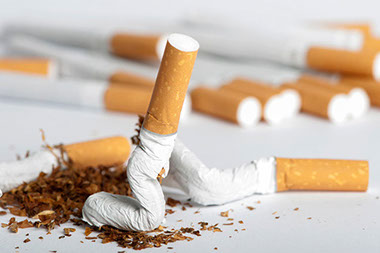
    Cigarette broken in half.

    If you’re ready to quit, here are some ways to take the first steps.

    Make a plan

    Going cold turkey is rarely successful. Instead, put together a plan that anticipates obstacles and brainstorm solutions.

    Practice quitting

    Go longer between smokes and try techniques to get through cravings. Find what works and what doesn’t.

    Talk to a healthcare professional

    They may have resources such as helpful tips, referrals, and medications. Working with a counselor increases your chance of success.

    Find a safe substitute

    Keep your mouth and hands busy with something else. Toothpicks, straws, or cinnamon sticks are safe substitutes.

    Be active

    Quitting smoking can leave you feeling jittery and irritable. Plan activities that get your body moving to release your jitters.

    Stay busy

    Plan activities or gatherings with non-smoking friends to keep you distracted in the early days of quitting.

    © American Institute for Preventive Medicine

  • Avoid Secondhand Smoke

    Tobacco Cessation

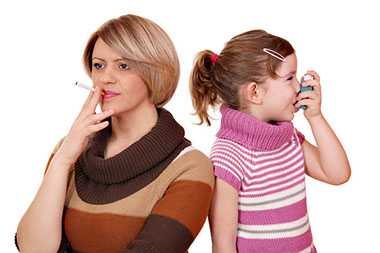
    Image of women smoking and child using an asthma inhaler.

    Somebody else’s habit can destroy your health.

    All that smoke that gets in your eyes is also getting in your airways and lungs, causing potentially fatal heart disease and cancer. It is also blamed for increased risk of sudden infant death syndrome, ear infections, colds, pneumonia, bronchitis, and more severe asthma. Researchers report that there is no safe level of exposure.

    What is secondhand smoke?

    Secondhand smoke is the combination of smoke given off a burning tobacco product and the smoke exhaled by a smoker. People can be exposed to secondhand smoke in homes, cars, the workplace, and public places, such as bars, restaurants, and leisure settings. It contains at least 250 harmful chemicals including hydrogen cyanide, carbon monoxide, and ammonia.

    Laws protect your air.

    Federal law bans smoking on most public transportation and in federally owned buildings. Many states and local governments have passed laws that ban smoking in public facilities, such as schools, hospitals, airports, bus terminals, parks, and beaches, as well as private workplaces, including restaurants and bars.

    Health risks of secondhand smoke:

    *  Breast cancer

    *  Cancers of the nose, throat, and sinus cavity

    *  Leukemia

    *  Lymphoma

    *  Brain tumors in children

    *  Sudden infant death syndrome (SIDS)

    *  Ear infections

    *  Colds

    *  Pneumonia

    *  Bronchitis

    *  Severe Asthma

    *  Coughing and wheezing

    Avoid thirdhand smoke, too!

    Thirdhand smoke is the residue left from tobacco smoke that lingers on a person’s clothing, skin, hair, and on carpet, drapes, walls, and furniture. And it does this long after the tobacco use has stopped. Thirdhand smoke has the same harmful chemicals as secondhand smoke.

    Even if you do not allow tobacco use in your home, avoid or limit being in homes and other places where smoking is allowed. And reserve nonsmoking hotel rooms and rental cars.

    Action Step

    Don’t let anyone, including your mate, smoke in your home. Never eat at restaurants that allow smoking or travel in a car with others who are smoking.

    Page from Ways to Well-Being book by the American Institute for Preventive Medicine. www.HealthyLife.com. All rights reserved.

    © American Institute for Preventive Medicine

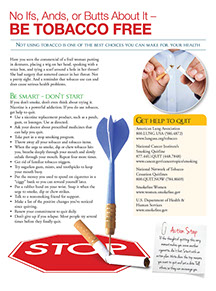
  • No Ifs, Ands, Or Butts About It. Be Tobacco Free.

    Tobacco Cessation

    Image of crushed cigarettes.

    Not using tobacco is one of the best choices you can make for your health.

    Have you seen the commercial of a frail woman putting in dentures, placing a wig on her head, speaking with a voice box, and tying a scarf around a hole in her throat? She had surgery that removed cancer in her throat. Not a pretty sight. And a reminder that tobacco use can and does cause serious health problems.

    Be smart, don’t start.

    If you don’t smoke, don’t even think about trying it. Nicotine is a powerful addiction. If you do use tobacco, get help to quit.

    *  Use a nicotine replacement product, such as a patch, gum, or lozenges. Use as directed.

    *  Ask your doctor about prescribed medicines that  can help you quit.

    *  Take part in a stop smoking program.

    *  Throw away all your tobacco and tobacco items.

    *  When the urge to smoke, dip or chew tobacco hits you, breathe deeply through your mouth and slowly exhale through your mouth. Repeat four more times.

    *  Get rid of familiar tobacco triggers.

    *  Try sugarless gum, mints, and toothpicks to keep your mouth busy.

    *  Put the money you used to spend on cigarettes in a “ciggy” bank so you can reward yourself later.

    *  Put a rubber band on your wrist. Snap it when the urge to smoke, dip or chew strikes.

    *  Talk to a nonsmoking friend for support.

    *  Make a list of the positive changes you’ve noticed since quitting.

    *  Renew your commitment to quit daily.

    *  Don’t give up if you relapse. Most people try several times before they finally quit.

    Bidis – Not a Safe Alternative

    Bidis are thin brown cigarettes made in India and other Southeast Asian countries. They are filled with tobacco flakes and dust and rolled in dried tendu or temburni leaves (plants native to Asia). These unfiltered cigarettes may be tied with a string at one or both ends. To mask the poor quality of tobacco used, flavors are often added. These include cherry, chocolate, mango, and vanilla.

    Bidis are cheaper and easier to buy than regular cigarettes, but have serious health risks.

    *  One bidi produces more than three times the carbon monoxide than one cigarette.

    *  Smoke from an unfiltered bidi has three to five times the amount of nicotine as a regular cigarette. This increases risk for nicotine addiction.

    *  One bidi releases three to five times more tar than a regular cigarette.

    *  Bidi smoke contains more deadly chemicals, such as ammonia than the smoke of one regular cigarette.

    *  Smoking bidis increases the risk for:

    *  Lung cancer, oral cancer, stomach cancer, and cancer of the esophagus

    *  Heart attack and coronary heart disease

    *  Chronic bronchitis and emphysema

    In India, the majority of bids are made by women and children and in their homes. Exposure to particles and dust in the process leads to many health problems. These include:

    *  Asthma

    *  Lung cancer

    *  Tuberculosis

    *  Skin problems

    *  Eye problems

    Resources

    American Lung Association

    800.LUNG.USA (586.4872)

    www.lungusa.org/tobacco

    National Cancer Institute’s Smoking Quitline

    877.44U.QUIT (448.7848)

    www.cancer.gov/cancertopics/smoking

    National Network of Tobacco Cessation Quitlines

    800.QUIT.NOW (784.8669)

    Smokefree Women

    www.women.smokefree.gov

    U.S. Department of Health & Human Services

    www.smokefree.gov

    www.surgeongeneral.gov/tobacco

    Action Step

    If the thought of quitting this very moment makes you crave another cigarette, don’t fret. Start with an action plan. Write down the top reasons you want to quit and set a date. Tell others so they can encourage you.

    Page from Ways to Well-Being book by the American Institute for Preventive Medicine. www.HealthyLife.com. All rights reserved.

    © American Institute for Preventive Medicine

  • Preventing Cancer

    Cancer

    Nearly 1 in 4 deaths in the U.S. is due to cancer. In the U.S., the lifetime risk for developing cancer is:

    *  Slightly less than 1 in 2 for men

    *  A little more than 1 in 3 for women

    What is Cancer?

    *  Cancer is a broad group of diseases.

    *  All types of cancer begin when cells in a part of the body start to grow out of control and become abnormal.

    *  These extra cells may form a mass of tissue called a growth or tumor.

    *  The tumor destroys healthy tissue.

    *  If the tumor gets bigger, it can invade and grow into other tissues and organs.

    *  Cancer cells also can break away and spread through the lymphatic system or blood stream to other parts of the body. This is called metastasis.

    *  Tumors that are not cancer are called benign. They do not grow into other tissues. They cannot spread to other parts of the body. Benign tumors can cause problems, especially if they grow very large and press on healthy tissues and body organs, but they almost never threaten life.

    *  Untreated cancers can cause serious illness and even death.

    Warning Signs & Symptoms

    You can have cancer for years without having symptoms. There is usually no pain at the onset of cancer. As different types of cancers grow, warning signs may occur. See your doctor for a proper diagnosis.

    For Bladder Cancer

    *  Blood in urine

    *  Pale yellow-red colored urine to bright red urine

    *  Frequent urination or feeling the need to without being able to urinate

    *  Pain during urination

    For Breast Cancer

    *  Lump or firmness in your breast or under your arm

    *  A change in the size or shape of your breast

    *  A nonmilky discharge from the nipple. Sometimes this has blood.

    *  Inverted or tender nipple

    *  The skin on a breast, areola, or nipple may be scaly, red, or swollen.

    *  An area of the breast may retract or pucker.

    Discuss with your doctor the pros and cons of doing monthly breast self-exams and how to perform them. Ask, too, about your risk for breast cancer. You can also call 800.4.CANCER (422.6237) or accesswww.cancer.gov/bcrisktoolfor the Breast Cancer Risk Assessment Tool.

    Note: Men can get breast cancer, too, and should report a breast lump or other change to their doctors.

    For Colon and Rectal Cancers

    *  Rectal bleeding or red or dark blood in or on the stool. Very narrow stools.

    *  Change in bowel habits for 2 or more weeks or constipation or diarrhea for 1 week or longer

    *  Frequent gas pains, cramps, bloating, or feeling of fullness in the abdomen

    *  Feeling that your bowel does not empty completely

    *  Weight loss with no explanation

    For Kidney Cancer

    *  Blood in urine

    *  Lump or mass on the side or lower back

    *  Low back pain on one side (not due to an injury)

    *  Weight loss without trying

    *  Fever that doesn’t go away after a few weeks and that is not from an infection

    *  Feeling very tired

    *  Swelling of the ankles and legs

    For Lung Cancer

    *  Cough that gets worse or does not go away. Hoarse voice. Coughing up blood or rust-colored phlegm

    *  Shortness of breath. New onset of wheezing.

    *  Chest pain. Often, this worsens with taking deep breaths, coughing, or laughing.

    *  Bronchitis, pneumonia, and other lung infections occur often and keep coming back.

    *  Tiredness

    *  Unexplained weight loss

    For Ovarian Cancer

    These 4 symptoms last almost daily for longer than a few weeks:

    *  Bloating or swelling of the abdomen

    *  Pain in the upper abdomen or pelvic pressure

    *  Trouble eating or feeling full quickly

    *  Urgent need to urinate or urinating often

    For Prostate Cancer

    Early prostate cancer often does not cause symptoms. When symptoms occur, they may include:

    *  Problems urinating

    *  Blood in the urine or semen

    *  Pain in the lower back, hips, ribs, or upper thighs

    *  Trouble having or keeping an erection

    *  Weakness or numbness in the feet or legs

    For Testicular Cancer

    *  A lump on either testicle or surrounding area

    *  An enlarged testicle

    *  A feeling of heaviness in the scrotum

    *  A dull ache in the lower abdomen or groin

    *  Sudden build-up of fluid in the scrotum

    *  Pain or discomfort in a testicle or the scrotum

    *  Enlarged or tender breasts

    These symptoms could also be caused by other problems, such as infection or trauma of the scrotum or testicle from being hit or kicked. See your doctor if any of these symptoms lasts 2 weeks or longer. Males who are 15 and older should do a testicular self-exam if and as often as their doctors advise. Results are best after a warm bath or shower, which relaxes the scrotum, allowing the testicles to drop down for easier examination.

    For Throat Cancer

    *  A sore in the mouth that does not heal

    *  Numbness of the tongue or other mouth area

    *  Pain in the mouth or bad breath that persists. A sore throat or a feeling that something is caught in the throat. This doesn’t go away.

    *  A white or red patch on the gums, tongue, tonsil, or lining of the mouth

    *  Hoarseness or other changes in the voice

    *  Lump or mass in the neck or cheek or a feeling of a lump in the throat

    *  Pain in the front of the neck, sometimes going up to the ears

    *  Trouble chewing or swallowing or moving the jaw or tongue.

    *  A cough that doesn’t go away

    *  Pressure, fullness, or burning sensations as food goes down the throat

    *  Upset stomach, heartburn, vomiting, and choking on food

    *  Unexplained weight loss

    Basal and Squamous Cell Cancers

    *  Basal cell. More than 90% of all skin cancers in the U.S. are this type. It grows slowly. It seldom spreads to other parts of the body.

    *  Squamous cell. This type of skin cancer spreads more often than the basal cell type. It is still rare for it to spread, though.

    Basal and squamous cell cancers are found mainly on areas of the skin that are exposed to the sun, like the head, face, neck, hands, and arms. These skin cancers can occur anywhere, though.

    Early Warning Signs of Basal and Squamous Cell Cancers

    Small, smooth, shiny, pale, or waxy lump.

    Firm red lump.

    A lump that bleeds or develops a crust.

    A flat, red spot that is rough, dry, or scaly.

    Warning Signs of Melanoma

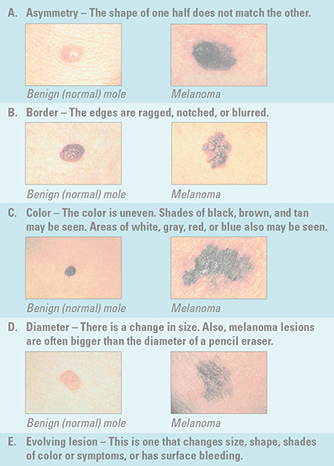
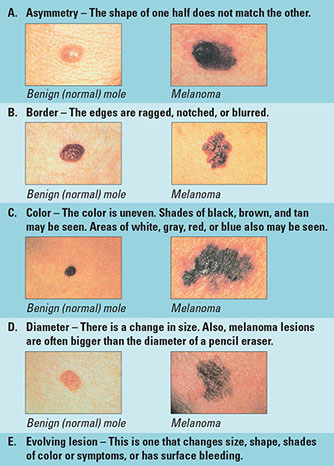
    This type of skin cancer can spread to other parts of the body and be fatal if not treated early. Often, the first sign is a change in the size, shape, or color of an existing mole. It also may appear as a new, abnormal, or “ugly looking” mole. Learn the ABCD and E’s that can help you detect it early.

    Skin Self-Exam

    *  Do an exam monthly, after a shower or bath. To check your skin, use:

    – A well-lit room

    – A full-length mirror

    – A hand-held mirror

    *  Locate your birthmarks, moles, and blemishes. Check for a change in the size, texture, or color of a mole. Check for a sore that does not heal.

    Check all areas.

    1.  Look at the front and back of your body in the mirror. Raise your arms and look at your left and right sides.

    2.  Bend your elbows and look carefully at the palms of your hands. Look at both sides of your forearms and upper arms.

    3.  Look at the back and front of your legs. Look between the buttocks and around the genital area.

    4.  Sit and closely examine your feet. Look at the soles and between the toes.

    5.  Look at your face, neck, and scalp. Use a comb to move your hair so you can see your scalp.

    See your doctor if you find anything unusual.

    Causes & Risk Factors

    With all cancers, genes that control cell growth and division malfunction. Damage to genes can occur from many factors.

    Factors that damage genes include:

    *  Tobacco use and exposure

    *  Exposure to ultraviolet (UV) rays from the sun and indoor tanning

    *  Exposure to cancer causing chemicals

    *  A person’s genetic makeup and immune status

    *  Use of certain medicines, such as DES (a synthetic estrogen)

    *  Certain viruses and bacteria:

    – Human papillomavirus (HPV). This causes most cervical cancers and some vaginal and vulvar cancers.

    – Hepatitis B virus (HBV). This raises the risk for liver cancer.

    – Human immunodeficiency virus (HIV). This raises the risk for some cancers, such as Kaposi sarcoma and non-Hodgkin lymphoma.

    – Helocobactor pylori (H. pylori) bacteria, the main cause of stomach ulcers, raises the risk for stomach cancer.

    Lower Your Risk

    There are many things you can do to prevent and lower your risk of getting cancer. Do them for yourself. Do them for your loved ones.

    *  Protect yourself from ultraviolet (UV) radiation. Limit time in the sun. Wear sunscreen, sunglasses, a hat, and clothing that protects your skin. And, don’t fake bake. Sun lamps and tanning booths also emit cancer-causing rays.

    *  Have X-rays only when necessary.

    *  Avoid asbestos, pesticides, herbicides, and other cancer-causing agents. Protect yourself from cancer-causing chemicals at work and elsewhere.

    *  Have your home tested and treated for radon, if found.

    *  Do regular physical activity. Control your weight.

    *  Eat healthy foods. Have 5-9 colorful fruits and vegetables per day. Opt for whole-grain breads and cereals. Limit red meat and foods high in fat.

    *  Limit alcohol -no more than two drinks per day for men; no more than one drink per day for women.

    *  Find ways to manage stress. Too much stress can weaken your immune system.

    *  Talk with your doctor about taking vitamins, herbal products, or other supplements.

    *  Follow your doctor’s advice to prevent, lower the risk, and treat virus and bacteria that can cause cancer.

    *  The obvious – avoid tobacco:

    – Don’t smoke it.

    – Don’t shove it between your lips and gums.

    – Don’t inhale it secondhand.

    – Avoid thirdhand smoke – tobacco toxins that linger in carpets, clothes, furniture, and other materials hours or even days after a cigarette is put out.

    Screening Tests & Treatments

    Screening tests help detect some types of cancer in early stages, when they are most treatable.

    Finding and removing precancerous tissue can prevent cancers of the cervix, colon, and rectum.

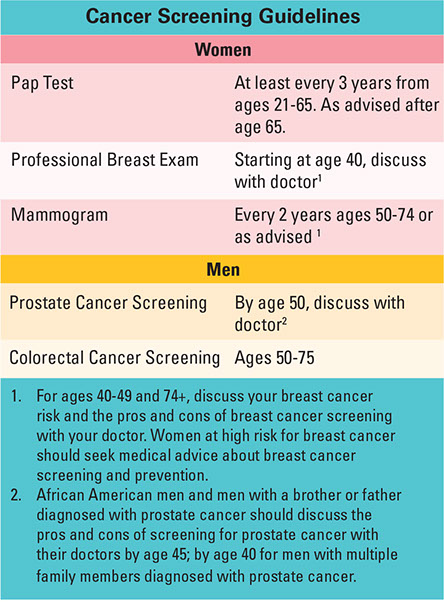
    Get screening tests, as listed below, or as advised by your doctor. If you are at a greater risk for one or more cancers, you may need screenings earlier or more often. You may need additional screenings. If a certain type of cancer is common in your family, consider asking your doctor about genetic testing. Also, check with your insurance plan to find out if and when screening tests are covered.

    Treatment

    Treatment depends on the type of cancer, the stage it is in, and individual factors. Cancer treatment includes:

    *  Surgery to remove the cancerous tumor(s) and clear any obstruction to vital passageways

    *  Radiation therapy

    *  Chemotherapy

    *  Biological therapy

    *  Targeted therapy, such as drugs, that affect only the cancer cells

    *  Stem cell or bone marrow transplant

    *  Clinical trials

    Resources

    American Cancer Society

    800.ACS.2345 (227.2345)

    www.cancer.org

    National Cancer Institute

    800.4.CANCER (422.6237)

    www.cancer.gov

    Clinical Trials

    www.clinicaltrials.gov

    Preventing Cancer brochure by the American Institute for Preventive Medicine. www.HealthyLife.com. All rights reserved.

    © American Institute for Preventive Medicine

  • Quit Smoking

    Healthylife® Weigh

    Part 3

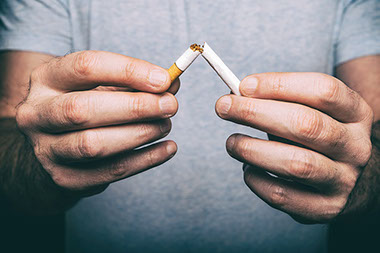
    Hands breaking a cigarette in half.

    Smoking and the use of other tobacco products causes serious harm to the body, including cancer, cardiovascular disease, and emphysema. Smoking can also complicate diabetes and other health conditions.

    If you are smoking, try to quit. Talk to your doctor about tools to help you quit. Call 800-QUIT-NOW (800-784-8669) to talk to someone who can help you quit.

    Quitting smoking may cause some weight gain as your body learns to regulate blood sugar and appetite normally again. Smoking can also be a coping strategy for stress, so you will need to learn new ways to manage stress. It is worth it to quit smoking.

    © American Institute for Preventive Medicine

  • Another Reason To Stop Smoking

    SELF-CARE CORNER

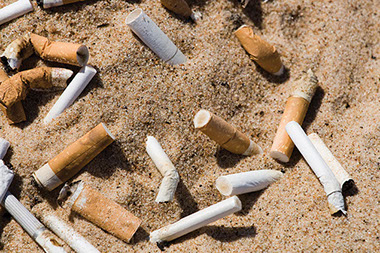
    Image of cigarettes butts.

    Each year Americans buy nearly 300 billion cigarettes. A vast number of those cigarette butts, including the filters, will be flicked into the environment, landing along waterways, parks, beaches, and public roads. This makes cigarettes the number one littered item in the nation, according to Legacy, the nonprofit created in the wake of tobacco lawsuits. Cigarette butts are made mostly of plastic, which can take years to decompose, and they only break up into small particles of plastic. Join a cleanup event and help build awareness around your community and workplace.

    © American Institute for Preventive Medicine

  • Want To Quit? Start Here

    WELL-BEING

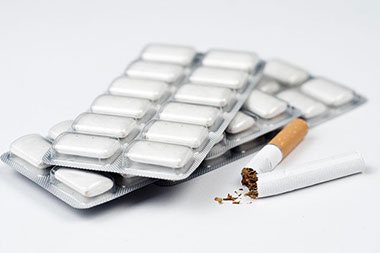
    Image of broken cigarette and nicotine gum.

    There’s no one right way to quit smoking. Some people find that they just quit on their own. Others use medical treatments to help. If you’re thinking about quitting, you have several options:

    *  Attend support groups or counseling

    *  Get your doctor’s advice and support

    *  Choose medicines that contain nicotine and help with nicotine addiction, including patches, gum, lozenges, inhalers and nasal spray. Some are available in stores and others need a prescription.

    *  Find a prescription medicine that doesn’t contain nicotine and still helps a person quit smoking.

    *  Go cold turkey: stop completely, all at once, without any help.

    *  Slowly decrease the amount of cigarettes smoked each day until you stop altogether.

    Counseling and medicine together may be more helpful than using just one method. Sometimes, you may need to try a few different approaches to find the one that works for you.

    Get free quitting help by phone

    If you’d like to talk with someone about quitting, call 1-800-QUIT-NOW (1-800-784-8669). This service is FREE and may include support and advice, a quit plan, free or discounted medications and other resources.

    Free quitting help online

    For those with a computer or tablet, help with quitting is just a few clicks away. Smokefree.gov offers a number of resources to help people quit smoking. There are tools and tips, information and support throughout the process of quitting.

    Source: Centers for Disease Control and Prevention, National Institutes of Health

    Reasons to quit smoking

    Quitting smoking isn’t easy. But, it means you will start to become healthier within just minutes of quitting. Take a look at the benefits of quitting:

    *  20 minutes after quitting: Blood pressure and heart rate gets lower.

    *  12 hours after quitting: Carbon monoxide levels in the blood go back to normal.

    *  2 weeks to 3 months after quitting: Lungs start to work better and blood circulation gets better.

    *  1 to 9 months after quitting: Lungs can handle mucus and recover from infections more easily. This means less coughing and shortness of breath.

    *  1 year after quitting: The risk of a heart attack drops dramatically. The increased risk of heart disease is cut in half.

    *  2 to 5 years after quitting: Risk of a stroke is now the same as a non-smoker.

    *  5 years after quitting: Risk of several cancers is slashed in half. This includes cancers of the bladder, mouth, throat and esophagus.

    *  10 years after quitting: Risk of lung cancer decreases by half. Risk of cancer of the voice box and pancreas drop.

    *  15 years after quitting: The risk of heart disease drops to that of a non-smoker.

    Don’t forget about benefits to your appearance. Yellowed teeth and fingers can become a thing of the past, as well as bad breath and smoke odors on clothes and in hair. Tobacco also causes wrinkling of the skin and tooth loss, so quitting can mean better skin and a brighter smile.

    It’s never too late to quit. Quitting at any age can extend a person’s life, reduce or eliminate health problems, and lower the risk of dying from smoking-related diseases.

    Source: American Cancer Society

    © American Institute for Preventive Medicine

  • After You Quit Smoking

    WELL-BEING

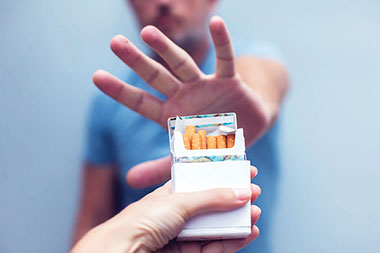
    Hand refusing cigarettes.

    No matter what your age is, or how long you’ve smoked, you can reap benefits of quitting today!

    Here’s what happens in your body after you quit:

    *  12 hours later, carbon monoxide in your blood drops to normal levels.

    *  2 weeks to 3 months later, your circulation improves and your lungs work better.

    *  1 year later, your risk of developing heart disease is slashed in half.

    You’ll also lower your risk for lung cancer when you quit. And the health benefits continue the longer you stay smoke-free. Visitsmokefree.govto start your quit journey!

    © American Institute for Preventive Medicine