Tag: reaction

  • Latex Allergy

    MEDICAL NEWS

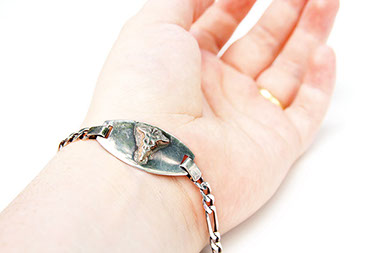
    Close up image of a medical ID.

    If you are allergic to latex, you usually know it. You can react with sneezing or worse symptoms because your body is reacting to proteins in natural rubber latex, which is made from the rubber tree.

    The Asthma and Allergy Foundation of America suggests you do this:

    *  Always wear a medical ID that alerts others about your allergy if you need emergency care.

    *  Ask doctors, dentists, and others who examine you to wear latex-free exam gloves. Carry gloves with you to give your dentist or doctor.

    *  Check labeling. Do not assume a product labeled “hypoallergenic” is latex-free.

    *  Know that latex can be found in some elastic in clothing, rubber bands, condoms, balloons, disposable diapers, and many more products.

    *  If you’re allergic to latex, you may have reactions to bananas, kiwi, and cantaloupe, which contain some of the same allergens found in latex.

    © American Institute for Preventive Medicine

  • When Allergies Get Real Serious

    MEDICAL NEWS

    Image of candy bar with warning "Not suitable for Nut allergy sufferers."

    A severe allergic reaction can be life threatening. It’s called anaphylaxis. The symptoms begin within minutes of eating a trigger food or after a bee sting or touching poison ivy. Some drugs can cause these serious reactions too. The Asthma and Allergy Foundation of America offers this safety advice:

    *  Know the symptoms: flushed skin, rash, tissue swelling, stuffy nose, sweating, panting, nausea, stomach cramps, rapid pulse, wheezing, convulsions, or fainting.

    *  Know what you’re allergic to: check food labels and ingredients. Ask at restaurants if you’re unsure if a menu item contains something you’re allergic to. Skin or blood tests done by a specialist can confirm that you’re sensitive to certain substances that can cause a severe reaction.

    *  Carry an auto-injectable epinephrine device that allows you to use a rescue medication until emergency help arrives.

    *  Wear a medical alert bracelet to let others know of your allergy.

    *  Anaphylaxis is a 9-1-1 medical emergency.

    © American Institute for Preventive Medicine