Tag: recovery

  • Seizures

    Children’s Health

    And How to Keep Your Child From Getting Fever Seizures

    Signs, Symptoms & Causes

    A seizure is like a short-circuit in the brain. Information in nerves in the brain gets mixed up. There are many forms of seizures.

    A general seizure. This affects the whole brain. A convulsion happens with this kind. These are signs of a convulsion.

    *  The neck muscles or all the body muscles get stiff.

    *  The arms or legs jerk around.

    *  The eyes roll up and back in the head.

    *  The child falls down.

    *  The child blacks out.

    *  The child wets or soils his or her clothes.

    An absence seizure. A convulsion does not happen with this kind of seizure. These are signs of this kind of seizure:

    *  The child stares into space. It looks like the child is not paying attention.

    *  The child smacks his or her lips.

    *  The child may blink over-and-over.

    Seizures that come with a high fever.

    In fact, high fevers cause most seizures in children ages 6 months to 5 years old. This happens when the body’s own temperature control isn’t working just right yet.

    Sicknesses that make a child’s temperature go up fast can bring on seizures. Here are some other causes of seizures:

    *  Epilepsy.

    *  Poisons.

    *  Infections that cause a high fever.

    *  Drugs.

    *  Reye’s Syndrome.

    *  Snakebites.

    *  Some vaccinations.

    Most seizures last from 1 to 5 minutes. Short seizures don’t cause problems unless the child stops breathing and turns blue. But a seizure that lasts longer than 5 minutes can be a sign of a big problem. Let your child’s doctor know if your child has any kind of seizure.

    How to Keep Your Child From Getting Fever Seizures

    Keep trying to bring the fever down until it is 101ºF or less. Try to bring your child’s fever down fast:

    *  Dress your child in light, loose clothes or take off most of his or her clothes.

    *  Ask your doctor about fever-lowering suppositories.

    *  Put washcloths rinsed in lukewarm (not cold) water on your child’s forehead and neck. Don’t use rubbing alcohol.

    *  Give your child acetaminophen or ibuprofen. Make sure you give the right kind and dose for his or her weight. Do this if the fever gets above 103°F. (Note: Do not give aspirin. Aspirin and other medicines that have salicylates have been linked to Reye’s Syndrome.)

    Questions to Ask

    Self-Care

    Don’t panic! A fever seizure will stop by itself in a few minutes. The two things you can do are:

    *  Try to keep your child from getting hurt during the seizure.

    *  Lower his or her fever.

    Follow these tips during the seizure:

    *  Protect your child from falling and hitting his or her head. (Watch out for tables and sharp things.)

    *  Make sure your child can breathe:

    – Roll the child on his or her side so spit can drain from the mouth.

    – Gently pull on the jaw and bend the neck back. (This opens up the throat.)

    *  Don’t put anything in your child’s mouth. Children hardly ever bite their tongues during a fever seizure.

    *  Don’t give your child any medicine, food, or drink by mouth.

    Follow these tips after the seizure:

    *  If the seizure was from a fever, start lowering the fever. Sponge your child’s body with lukewarm water. Don’t use rubbing alcohol. Don’t put the child in a bathtub. Don’t use an ice pack. It drops the temperature too fast.

    *  Your child will probably be sleepy after the seizure. He or she may not remember anything. This is O.K.

    *  Dress the child in light, loose clothes. Put him or her to sleep in a cool room.

    *  Let your child’s doctor know about the seizure.
    Children's Self-Care book by the American Institute for Preventive Medicine. www.HealthyLife.com. All rights reserved.

    © American Institute for Preventive Medicine
  • Train Like An Olympian

    BE FIT

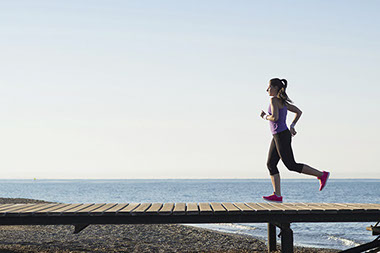
    Image of women running.

    Olympic athletes inspire us with their fierce discipline and natural talent as they smash records, going higher, farther and faster. Their can-do   spirit motivates us all to take on  new challenges.

    Whether your goal is to complete your first marathon or improve your golf game, there are lessons to be learned from the best of the best.

    Saint Louis University assistant professor of physical therapy, Chris Sebelski, gives this guidance on how to train like a champion:

    *Set a goal and break it down.For instance, if you’re training to get in shape for a cross-country hiking trip, you might aim to walk 3 miles a day for the first 2 weeks and build up to 10 miles a day by the end of 10 weeks.

    *Cross-train.Cross-training reduces risks of overtraining and helps avoid injury. It also enhances muscle performance and stimulates the mind so you don’t become bored by too much repetition.

    *Work out with others.Olympic athletes don’t train alone and they don’t train only with those at the same skill level. Run with different people. On one day, partner with someone slower than your normal pace. You’ll stay out longer and practice endurance. Another day, run with someone faster than your average pace. You’ll do a more intense cardio workout.

    *Create a team.Olympic athletes know that they cannot do it on their own. You shouldn’t expect to either. Seek people and methods that can help you accomplish your goal. It could be a face-to-face session with a trainer, a nutrition class, or an online chat room of like-minded people.

    *Find your motivation.Olympians use lots of techniques to manage their emotions. This year, for example, athletes reported using yoga, meditation, and even watching their favorite TV shows to calm themselves before an event.

    *Put on an Olympic attitude.For most of us, our jobs, families and personal commitments mean we can’t spend as much time training as a world champion might. But  you can adopt the mentality of  an Olympian during the time you  do train.

    *Enjoy.Regardless of the scale of your goal, train for and accomplish a physical goal you set for yourself. Crossing that finish line is a feeling unlike any other.

    © American Institute for Preventive Medicine

  • Heat Illnesses

    First Aid

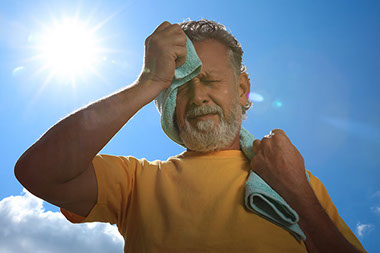
    Man outside in bright sun, wiping forehead with towel.

    Most heat-related deaths occur in the hot summer months. Elderly and very young persons and people with chronic health problems are most at risk.

    Sweating normally cools the body. During hot weather, sweating isn’t enough. Body temperature can rise to dangerous levels and you can develop a heat illness. This includes heat stroke, which can be life-threatening. Heat exhaustion, if not treated, can turn into heat stroke.

    A less serious heat illness is a heat rash. Signs include small red pimples, pink, blotchy skin, and itching. To treat a heat rash, bathe in cool water every couple of hours. Let your skin air dry. Put cornstarch or calamine lotion on itchy areas.

    When the heat starts to rise, slow down. Drink plenty of fluids (ones without alcohol or caffeine). Stay in the shade or indoors. Wear light, loose-fitting clothing and a wide brimmed hat. Do not stay in or leave anyone in a closed, parked car during hot weather.

    Health at Home Lifetime book by the American Institute for Preventive Medicine. www.HealthyLife.com. All rights reserved.

    © American Institute for Preventive Medicine
  • Seizures 2

    First Aid

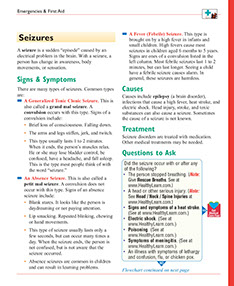
    A seizure is a sudden “episode” caused by an electrical problem in the brain. With a seizure, a person has change in awareness, body movements, or sensation.

    Signs & Symptoms

    There are many types of seizures. Common types are:

    A Generalized Tonic Clonic Seizure

    This is also called a grand mal seizure. A convulsion occurs with this type. Signs of a convulsion include:

    *  Brief loss of consciousness. Falling down.

    *  The arms and legs stiffen, jerk, and twitch.

    *  This type usually lasts 1 to 2 minutes. When it ends, the person’s muscles relax. He or she may lose bladder control, be confused, have a headache, and fall asleep. This is the type most people think of with the word “seizure.”

    An Absence Seizure

    This is also called a petit mal seizure. A convulsion does not occur with this type. Signs of an absence seizure include:

    *  Blank stares. It looks like the person is daydreaming or not paying attention.

    *  Lip smacking. Repeated blinking, chewing or hand movements.

    *  This type of seizure usually lasts only a few seconds, but can occur many times a day. When the seizure ends, the person is not confused, but is not aware that the seizure occurred.

    *  Absence seizures are common in children and can result in learning problems.

    A Fever (Febrile) Seizure

    This type is brought on by a high fever in infants and small children. High fevers cause most seizures in children aged 6 months to 5 years. Signs are ones of a convulsion listed in the left column. Most febrile seizures last 1 to 2 minutes, but can last longer. Seeing a child have a febrile seizure causes alarm. In general, these seizures are harmless.

    Causes

    Causes include epilepsy (a brain disorder), infections that cause a high fever, heat stroke, and electric shock. Head injury, stroke, and toxic substances can also cause a seizure. Sometimes the cause of a seizure is not known.

    Treatment

    Seizure disorders are treated with medication. Other medical treatments may be needed.

    Questions to Ask

    Self-Care / First Aid

    For Seizures with Convulsions

    *  Stay calm. Protect the person from injury. Cushion the head with a pillow, a coat, etc. Move sharp objects out of the way.

    *  Loosen tight clothes, especially around the neck.

    *  If the person vomits, clear the mouth of it.

    *  Do not hold the person down or throw water on the face. Don’t put anything into the mouth. (A spoon in the mouth does not prevent tongue biting.)

    *  If the seizure in a child is due to a fever, start bringing the child’s temperature down as soon as the seizure stops. Sponge the child’s body with room temperature water. Do not put the child in a bathtub. Do not use ice. Do not use rubbing alcohol.

    *  Report how long the seizure lasts and the symptoms that occur.

    *  After the seizure, lay the person on his or her side. Let the person sleep. Check for a medical alert tag. Respond as needed. Do not embarrass the person.

    *  Call 9-1-1 (except for a febrile seizure or a seizure in a person you know has a seizure disorder).

    Febrile Seizure Prevention

    For a child who has had a febrile seizure in the past, give acetaminophen or ibuprofen at the first sign of a fever. Give the right kind and dose for his or her weight. Insert suppositories that lower fevers, instead, if prescribed by the child’s doctor. {Note: Don’t give aspirin to anyone less than 19 years old.}

    *  Dress the child in light, loose clothes.

    *  Apply washcloths rinsed in lukewarm (not cold) water to your child’s forehead and neck. Sponge the child’s arms, legs, and trunk with lukewarm water. Don’t use cold water, ice, or rubbing alcohol.

    *  Keep trying to bring the fever down until it is 101ºF or less.

    Healthier at Home book by the American Institute for Preventive Medicine. www.HealthyLife.com. All rights reserved.

    © American Institute for Preventive Medicine
  • Exercise And Eating

    Healthylife® Weigh

    Part 5

    Man eating a power bar at the gym.

    Exercise is not a solution for overeating or for eating unhealthy foods. Avoid treating exercise as a way to “make up” for eating more than your body needs. This can lead to feelings of guilt. It can also make exercise feel like a punishment.

    We tend to overestimate the calories burned through exercise and under-estimate the calories in food. The number of calories burned during exercise also varies from person to person. Factors like age, gender, and physical fitness can increase or decrease the caloric burn. The number in a chart or on a cardio machine monitor may not be accurate for you.

    Pre-Workout Eating

    You don’t have to eat before working out early in the morning, but it may give you more energy and help your body recover faster.

    Eat foods low in fat and fiber that can be digested easily. Include small amounts of protein in your pre-workout meals and snacks. This will help reduce muscle soreness. Experiment to find out what works best for you and allows you to feel your best.

    Pre-workout snack ideas (30-60 minutes before exercise):

    *  Piece of fruit

    *  Low-fat or non-fat yogurt

    *  Trail mix

    *  Whole-wheat toast with banana slices

    *  Smoothie with plain yogurt, frozen berries, and protein powder

    *  Oatmeal with fresh fruit

    Post-Workout Eating

    Exercise can increase your appetite. Your body wants to replace the calories you burned during exercise. Avoid overeating after exercise.

    Eat foods rich in protein, fiber, and healthy fats. Drink water to replenish fluids.

    Post-workout snack ideas (within 2 hours of exercise):

    *  Smoothie with plain yogurt, frozen berries, protein powder and avocado

    *  Banana with peanut butter

    *  Whole-wheat pita with turkey and veggies

    *  Protein bar (choose a bar with fewer than 5g of sugar)

    *  String cheese, apple, and whole grain crackers

    *  Veggie omelet with avocado

    If you are close to your normal meal time, just have that. Or, if you are not close to your normal meal time, have a small snack.

    © American Institute for Preventive Medicine
  • Exercise And Sleep

    Healthylife® Weigh

    Part 5

    Women sleeping.

    Physical activity can help you sleep better. After your body has worked hard, deep sleep is triggered to help your body recover, repair, and get ready for more activity. This natural drive helps you fall asleep and sleep more restfully.

    Be active outdoors, when possible. Outdoor physical activity increases exposure to sunlight. This helps to strengthen your body’s circadian rhythm (natural sleep clock). A stronger circadian rhythm helps you feel sleepy when it’s time to rest.

    Sleep Helps You Recover from Exercise

    Physical activity triggers a cycle of muscle break-down and repair. The repair process depends on sleep. Without enough sleep, repair is limited. This can increase the risk of injury and limit athletic goals (e.g., running or walking farther or lifting more weight).

    Severe sleep restriction (less than four hours per night) can cause dramatic increases in your heart rate and blood pressure. This strains your heart. Not only does this limit your ability to exercise, but your risk for heart attack and cardiovascular problems increases.

    Timing Exercise with Sleep

    Physical activity increases adrenaline in the body. This hormone increases your heart rate and alertness. Plan vigorous exercise at least four to six hours before bedtime. Light exercise and mild activities should end at least two to four hours before bedtime.

    © American Institute for Preventive Medicine

  • Help! I Just Ate Half A Cake!

    Healthylife® Weigh

    Part 6

    Cheesecake dessert with chocolate and coffee.

    Recover from Overeating

    1. Be kind to yourself. Practice self-care right away, both in what you say to yourself and what you do.

    Say something kind to yourself now. Write it down here:

    2. Drink water and get enough sleep. This supports your kidneys and liver, two organs in your body that help keep digestion going smoothly and filter out toxins.

    3. Get up and move. Perhaps go for a slow walk today. Then, get your heart pumping more tomorrow with a faster walk or an exercise class.

    4. Start the next day with a healthy breakfast. Get your metabolism revved and running early. This will help you use the extra energy you consumed the day before. Choose a food high in fiber for breakfast. This will help your body clear your digestive system of waste, especially from a large meal high in fatty and salty foods. Choose plant-based sources of protein to give your body extra fiber.

    5. Continue to follow your healthy eating plan. Avoid the “I blew it” approach that can cause one “off” meal or snack to spiral out of control.

    6. Plan for the future. Without a plan, this is likely to happen again.

    – Am I eating enough? Do I feel like I’m starving all the time?

    – Am I getting enough from each food group? Your body may need a nutrient that it isn’t getting.

    – Am I being too tough on myself? Making a lot of changes at once can be hard to stick with. Create a realistic plan for you to make changes gradually. Allow yourself some treats.

    – Learn healthy ways to cope with emotions in this section.

    © American Institute for Preventive Medicine
  • Massage

    Healthylife® Weigh

    Part 5

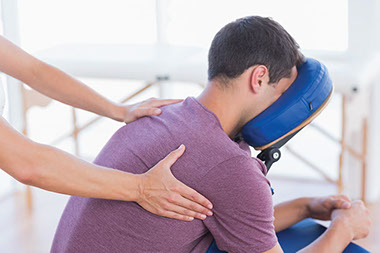
    Man getting a chair massage.

    Massage can be a form of recovery for your muscles. Massage, especially deep compression massage, can help relax tight muscles and knots that have formed between muscle layers. This can help with normal blood flow, keep your muscles flexible, and reduce pain.

    A professional massage therapist or a friend can assist you with massage.  Or, you can give yourself a massage.

    Self-Massage

    Use a foam roller, tennis ball, Thera Cane®, or muscle roller stick. These items are fairly inexpensive and can be purchased from major retailers and sporting goods stores. Or, using your fingers is free! Apply pressure to specific parts of your body. Go slowly. If you purchase a self-massage tool, follow package instructions.

    © American Institute for Preventive Medicine