MEDICAL NEWS
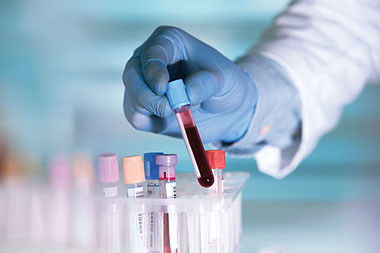
Blood nourishes every part of the body. Red blood cells are a major component of blood and a key player in how the body receives the oxygen it needs.
What they do
Red blood cells contain a special protein called hemoglobin that carries oxygen from the lungs and delivers it to the organs and tissues. Once a red blood cell drops off oxygen, it picks up carbon dioxide and returns it to the lungs to be exhaled when you breathe out.
Every cell in the body relies on oxygen delivery from red blood cells. To keep a constant supply of healthy red blood cells, the bone marrow produces an impressive 2 million cells every second.
Measuring red blood cells
When you go to the doctor, they often order a complete blood count (CBC) to assess the health of your blood. Several of those values provide information about your red blood cells:
* Red blood cells (RBC) – the number of red blood cells in a specific volume of blood
* Hemoglobin – the amount of hemoglobin (by weight in grams) per the volume in blood (in deciliters)
* Hematocrit – how much of the blood is made up of red blood cells
* MCV – the average size of red blood cells
* MCH – the amount of hemoglobin in each red blood cell
* MCHC – the average amount of hemoglobin in a group of red blood cells
When red blood cells are high
Common causes include:
* Dehydration
* Kidney disease
* Heart disease
* Lung disease
* Smoking (causes scarring of lung tissue)
* Conditions of the bone marrow
What to do:
If your doctor finds your red blood cell values are higher than normal, they may do further testing to identify a cause. Staying well-hydrated keeps your blood cells healthy and in the right concentration.
When red blood cells are low
You may experience fatigue, weakness, shortness of breath, and irregular heart rates. Common causes include:
* Anemia
* Malnutrition
* Certain types of cancer
* Kidney disease
* Liver disease
* Certain medications
What to do:
A healthy diet high in iron and other vitamins and minerals is essential for red blood cells. Leafy greens, beans, nuts, seeds, fish, meat, and iron-fortified foods keep blood cells healthy. Your doctor may also recommend supplements or medications.
© American Institute for Preventive Medicine