Tag: reflection

  • Face Up To Your Drinking Habits

    Substance Use & Abuse

    Are you a social drinker or a problem drinker? If you have any doubts, you probably have a problem or are developing one. Alcoholics Anonymous has developed the following quiz to help you determine if you have a drinking problem.

    1.  Have you ever decided to stop drinking for a week or so, but lasted only a few days?  Yes ____ No ____

    2.  Do you wish people would mind their own business about your drinking and stop telling you what to do?  Yes ____ No ____

    3.  Have you ever switched from one kind of drink to another in the hope that this would keep you from getting drunk?  Yes ____ No ____

    4.  Have you had a drink in the morning during the past year?  Yes ____No ____

    5.  Do you envy people who can drink without getting into trouble?  Yes ____ No ____

    6.  Had problems connected with drinking during the past year?  Yes ____ No ____

    7.  Has your drinking caused trouble at home?  Yes ____ No ____

    8.  Do you ever try to get extra drinks at a party because you’re not served enough?

    Yes ____      No ____

    9.  Do you tell yourself you can stop drinking any time you want, even though you keep getting drunk when you don’t mean to?  Yes ____ No ____

    10. Have you missed days of work because of drinking?  Yes ____ No ____

    11. Do you have blackouts?  Yes ____ No ____

    12. Have you ever felt your life would be better if you did not drink?  Yes ____ No ____

    How to score: If you answer yes to four questions or more, chances are you have a problem and should seek professional help.
    Page from A Year of Health Hints book by the American Institute for Preventive Medicine. www.HealthyLife.com. All rights reserved.

    © American Institute for Preventive Medicine

  • How Do You View Your Body?

    Healthylife® Weigh

    Part 5

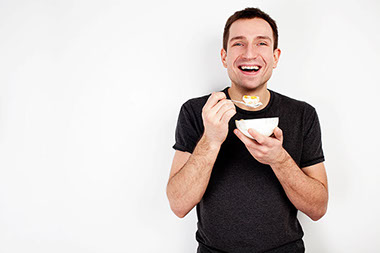
    Young smiling man eating on diet.

    Body Ownership, Healthy Body Image

    *  My body is beautiful to me.

    *  My feelings about my body are not influenced by society’s concept of an ideal body shape.

    *  I know that the significant others in my life will always find me attractive.

    *  I nourish my body so it has the strength and energy to achieve my physical goals.

    *  I pay attention to my body and my appearance because it is important to me, but it only occupies a small part of my day.

    Body Pre-Occupied/ Distorted Body Image

    *  I spend a significant time in front of the mirror viewing my body.

    *  I spend a significant time comparing my body to others.

    *  I’d be more attractive if I was thinner, more muscular, etc.

    *  I have considered changing or have changed my body through surgery so that I can accept myself.

    *  I wish I could change the way I look.

    Body Hate/ Disassociation

    *  I often feel separated and distant from my body, as if it belongs to someone else.

    *  I hate my body and I often isolate myself from others.

    *  I don’t see anything positive or even neutral about my body shape and size.

    *  I don’t believe others when they tell me I look OK.

    *  I hate the way I look in the mirror.

    Move toward viewing your body in a healthy way. Use the healthy body image statements in the left column as affirmations. Repeat these to yourself. Make changing your attitude a goal.

    © American Institute for Preventive Medicine
  • Recognize When Something Is Bothering You

    Healthylife® Weigh

    Part 6

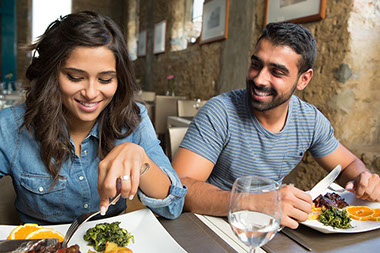
    Couple having dinner at restaurant.

    Identify what forces are at play. These may be positive or negative emotions that are pushing you to do something you don’t need or want to do.

    The following emotions that trigger less healthy eating.

    *  Anger

    *  Anxiety

    *  Boredom

    *  Depression

    *  Frustration

    *  Insecurity

    *  Stress

    *  Celebration

    Write other feelings you have that trigger feelings of hunger:

    *  Accept that you are having these feelings. Rather than trying to change how you feel, focus on changing your response to these feelings.

    *  Keep a journal to determine what triggers lead you to emotional eating.

    For negative emotions, did eating food solve the situation? Chances are it did not. Food does not solve emotional problems. It never has and it never will. Food simply keeps you from dealing with the issue at hand. When the last bite is eaten, the problem is still there.

    Positive emotions, like joy and comradery, may cause you to overeat. Think of a time when you were celebrating and over-ate.

    Avoid feeling guilty if you have overeaten or chosen less healthy foods. The feeling of guilt can make digestion difficult or lead to more overeating.

    © American Institute for Preventive Medicine