Tag: reflex

  • Relaxation Reflex 2

    Healthylife® QuitWell™

    Part 4

    Image of several people doing yoga.

    This skill involves relaxing 4 basic muscle groups. Tightening and releasing the muscles produces a soothing effect which helps you relax. Taking slow deep breaths and dropping the head and shoulders forward add to the effect.

    Practice every day for about 5-10 minutes. Divide the body into 4 muscle groups. Tense each group for 5-10 seconds, then release.

    *Arms and Hands– Lift arms, bend wrists and elbows, make fists, tighten upper arms.

    *Face and Neck– Squinch eyes, nose, cheeks, and brows, stretch mouth and grit teeth, point chin down toward chest.

    *Middle Torso– Push shoulders back, tighten stomach and small of back.

    *Legs and Feet– Lift legs off floor, hold straight out, point toes toward face, tighten thighs.

    When I will try this?

    (After) How did your body feel after this activity?

    (After) How did your stress level change after this activity?

    Practice this strategy regularly. It may not help you the first time you try it, but the next time it might. As you get better at it, it may become even more helpful to you.
    © American Institute for Preventive Medicine
  • Hiccups

    Respiratory conditions

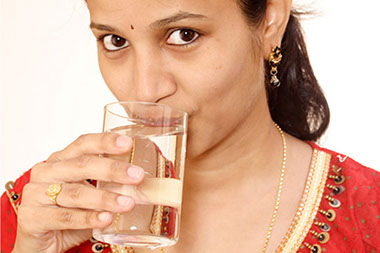
    Image of women drinking a glass of water.

    Hiccups are simple to explain. The diaphragm (the major muscle which sits like a cap over the stomach) goes into spasms. The vocal cords close rapidly. This causes the “hiccup” sound.

    Causes

    *  Eating too fast. Swallowing air with the food.

    *  Drinking carbonated beverages. Drinking too much alcohol.

    *  Doing things to make the stomach full enough to irritate the diaphragm, such as eating a lot of fatty foods in a short period of time.

    Treatment

    Hiccups seldom cause harm. Usually, they don’t last very long. Self-Care treats most cases of hiccups. Hiccups that persist could be a sign of a nervous system problem. A doctor needs to diagnose and treat this.

    Questions to Ask

    Self-Care / Prevention

    Common Remedies for Hiccups

    *  Swallow 1 teaspoon of dry table sugar. If this doesn’t stop the hiccups right away, repeat it 3 times, at 2-minute intervals. {Note: For young children (that do not have diabetes), use a teaspoon of corn syrup.}

    *  Hold your tongue with your thumb and index finger and gently pull it forward.

    *  Drink a glass of water rapidly. {Note: Young children should drink a glass of milk slowly.}

    Healthier at Home book by the American Institute for Preventive Medicine. www.HealthyLife.com. All rights reserved.

    © American Institute for Preventive Medicine
  • Relaxation Reflex

    Healthylife® Weigh

    Part 6

    Man stretching at desk.

    This skill relaxes four basic muscle groups. Tightening and relaxing these muscles produces a soothing effect that helps you relax. Take slow, deep breaths, drop your head, and place your shoulders forward to add to the effect.

    Practice every day for about 5 to 10 minutes. Divide the body into 4 muscle groups. Tense each group for 5 seconds, then release.

    1.Arms and Hands– Lift your arms, bending them at your wrists and elbows. Make fists and tighten your upper arms.

    2.Face and Neck– Squinch your eyes, nose, cheeks, and brow. Stretch your mouth and grit your teeth. Point your chin down toward your chest.

    3.Middle Torso– Push your shoulders back. Tighten your stomach and the middle of your back.

    4.Legs and Feet– Lift your legs off the floor and hold them straight out. Point your toes toward your face. Tighten your thighs.

    © American Institute for Preventive Medicine