Tag: rehab

  • Stretching And Rehabilitation

    Healthylife® Weigh

    Part 5
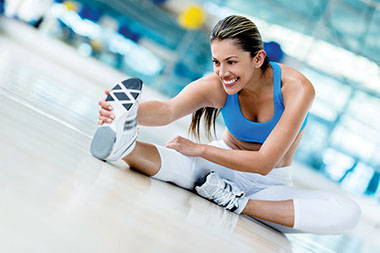
    Smiling women stretching.

    These exercises make your body more flexible. This helps you prevent injury during exercise and everyday activities. Stretching can also help you relax and is a tool for stress management. Tips:

    *  Stretch all muscle groups. Induce mild tension (not pain or burn) for 10 to 30 seconds.

    *  Don’t bounce while stretching. Make movements slow and controlled.

    *  Breathe slowly. Inhale while stretch is released. Exhale when moving into the stretch.

    *  Stretch after each cardio or resistance training workout.

    *  Stretch as a stand-alone workout or as a way to wind down at the end of the day.

    Examples of Stretching Exercises:

    Shoulder Shrug: Shrug your shoulders up toward your head. Then lower them. Repeat 4 times. Slowly circle your shoulders forward 8 times and then backward 8 times.

    Hamstring Stretch: Sit on the floor with your right leg straight. Bend your left leg and touch your foot against your straight leg. Stretch forward to touch the toes of your right foot. Hold for 4 counts. Then do this on the other side.
    © American Institute for Preventive Medicine
  • Back In Action

    MEDICAL NEWS

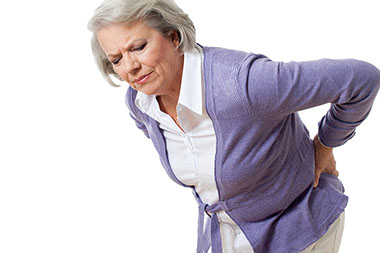
    Image of older women holding her back in pain.

    Back pain. In the last 3 months, about 1 in 4 adults has had at least one day of back pain, mostly in the lower back, according to NIH in Health.

    The good news is that most back pain goes away by itself-in time. If pain continues for more than 3 months, you have chronic back pain. If doctors can find out the source of your pain, you may be treated effectively with certain surgeries.

    But even chronic pain can clear up without surgery. Don’t let the pain take over. Doctors advise:

    *  Stay active and maintain a healthy weight.

    *  Stretch before exercise or other strenuous physical activity.

    *  Don’t slouch when standing or sitting.

    *  Make sure your work surface is at a comfortable height for you.

    *  Wear comfortable, low-heeled shoes.

    *  Lift, if you must, with your back straight, bend at the knees, and put the stress on your legs and hips.

    *  Don’t smoke.

    *  Talk with your doctor to make sure you’re getting enough calcium and vitamin D.

    © American Institute for Preventive Medicine