Tag: relief

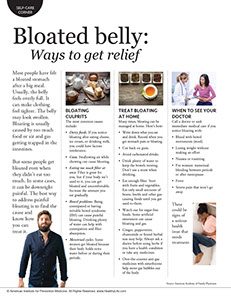
  • Bloated Belly: Ways To Get Relief

    SELF-CARE CORNER

    Image of tea and different tea leaves.

    Most people have felt a bloated stomach after a big meal. Usually, the belly feels overly full. It can make clothing feel tighter. The belly may look swollen. Bloating is usually caused by too much food or air and gas getting trapped in the intestines.

    But some people get bloated even when they didn’t eat too much. In some cases, it can be downright painful. The best way to address painful bloating is to find the cause and know how you can treat it.

    Bloating culprits

    The most common causes include:

    *  Dairy foods. If you notice bloating after eating cheese, ice cream, or drinking milk, you could have lactose intolerance.

    *  Gum. Swallowing air while chewing can cause bloating.

    *  Eating too much fiber at once. Fiber is great for you, but if your body isn’t used to it, you can get bloated and uncomfortable. Increase the amount you eat gradually.

    *  Bowel problems. Being constipated or having irritable bowel syndrome (IBS) can cause painful bloating. Drinking plenty of water can help with constipation and fiber absorption.

    *  Menstrual cycles. Some women get bloated because their body holds extra water before or during their periods.

    Treat bloating at home

    Many times, bloating can be managed at home. Here’s how:

    *  Write down what you eat and drink. Record when you get stomach pain or bloating.

    *  Cut back on gum.

    *  Avoid carbonated drinks.

    *  Drink plenty of water to keep the bowels moving. Don’t use a straw when drinking.

    *  Eat enough fiber. Start with fruits and vegetables. Eat only small amounts of beans, lentils and other gas-causing foods until you get used to them.

    *  Watch out for sugar-free foods. Some artificial sweeteners can cause bloating and gas.

    *  Ginger, peppermint, chamomile or fennel herbal teas may help. Always ask a doctor before using herbs if you have a health condition or take any medicines.

    *  Over-the-counter anti-gas medicines with simethicone help move gas bubbles out of the body.

    When to see your doctor

    Call a doctor or seek immediate medical care if you notice bloating with:

    *  Blood with bowel movements (stool)

    *  Losing weight without making an effort

    *  Nausea or vomiting

    *  For women: menstrual bleeding between periods or after menopause

    *  Fever

    *  Severe pain that won’t go away

    These could be signs of a serious health issue that needs treatment.

    Source: American Academy of Family Physicians
    © American Institute for Preventive Medicine

  • Cool That Heartburn

    SELF-CARE CORNER

    Man suffering from heartburn.

    Do you get a burning feeling in your chest after eating or at night? Does it get worse if you lie down or bend over?

    Many people have heartburn once in a while.

    Don’t ignore frequent heartburn

    When heartburn keeps happening, it could hurt your health. Frequent heartburn that lasts longer than two weeks is called gastroesophageal reflux disease (GERD). This condition can damage your throat or even cause breathing problems.

    See a doctor about frequent heartburn so you can get treatment.

    If you get occasional heartburn, there are several ways you can reduce it or avoid it:

    *  Stay upright after eating. Don’t lie down after a meal. This can cause the acid and food to come up and into your esophagus.

    *  Avoid activities that use the tummy muscles right after eating. This includes activities like hard exercise or lifting heavy objects.

    *  Eat smaller meals. Eat your food slowly and stop before you feel overly full.

    *  Avoid heartburn triggers. This includes caffeine, chocolate, fatty foods, fried foods and spicy foods.

    *  Work toward a healthy weight if you are overweight.

    *  Ask your doctor about using an antacid for occasional heartburn.

    Heartburn drug recall

    Recently, the Food and Drug Administration (FDA) found that an acid reflux (GERD) medicine contained a “probable human carcinogen” at low levels. This means that these medicines contain something that could potentially cause cancer.

    The drug, known as ranitidine or Zantac, is an H2-blocker. It works by reducing the amount of acid in the stomach. After FDA’s announcement, some drug companies recalled their ranitidine products. Some pharmacies also pulled the medicine off their shelves.

    If you are taking ranitidine or Zantac, talk to your doctor. There are other FDA-approved medicines that could work for you. Your doctor can help you choose the best treatment.

    FDA continues to evaluate the safety of ranitidine and will provide more information as it becomes available.

    Source: Food and Drug Administration

    © American Institute for Preventive Medicine
  • Help For Restless Legs

    SELF-CARE CORNER

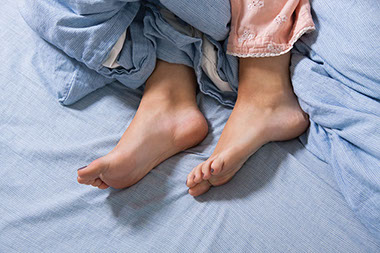
    Close up feet laying in bed.

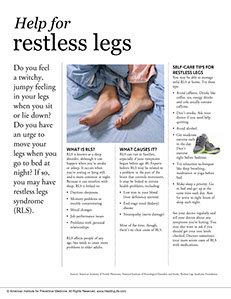
    Do you feel a twitchy, jumpy feeling in your legs when you sit or lie down? Do you have an urge to move your legs when you go to bed at night? If so, you may have restless legs syndrome (RLS).

    What is RLS?

    RLS is known as a sleep disorder, although it can happen when you’re awake or asleep. It occurs when you’re resting or lying still, and is more common at night. Because it can interfere with sleep, RLS is linked to:

    *  Daytime sleepiness

    *  Memory problems or trouble concentrating

    *  Mood changes

    *  Job performance issues

    *  Problems with personal relationships

    RLS affects people of any age, but tends to cause more problems in older adults.

    What causes it?

    RLS can run in families, especially if your symptoms began before age 40. Experts believe RLS may be related to a problem in the part of the brain that controls movement. It may be linked to certain health problems, including:

    *  Low iron in your blood (iron deficiency anemia)

    *  End-stage renal (kidney) disease

    *  Neuropathy (nerve damage)

    Most of the time, though, there’s no clear cause of RLS.

    Self-care tips for restless legs

    You may be able to manage mild RLS at home. Try these tips:

    *  Avoid caffeine. Drinks like coffee, tea, energy drinks and cola usually contain caffeine.

    *  Don’t smoke. Ask your doctor if you need help quitting.

    *  Avoid alcohol.

    *  Get moderate exercise early in the day. Don’t exercise right before bedtime.

    *  Try relaxation techniques like deep breathing, meditation or yoga before bed.

    *  Make sleep a priority. Go to bed and get up at the same time each day. Aim for seven to eight hours of sleep each night.

    See your doctor regularly and tell your doctor about any symptoms you’re having. You may also want to ask if you should get your iron levels checked. Doctors sometimes treat more severe cases of RLS with medications.

    Sources: American Academy of Family Physicians, National Institute of Neurological Disorders and Stroke, Restless Legs Syndrome Foundation

    © American Institute for Preventive Medicine
  • Make A Cold Care Kit

    SELF-CARE CORNER

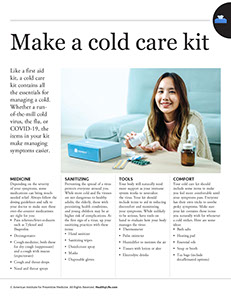
    Women siting at table with a box and medicine.

    Like a first aid kit, a cold care kit contains all the essentials for managing a cold. Whether a run-of-the-mill cold virus, the flu, or COVID-19, the items in your kit make managing symptoms easier.

    Medicine

    Depending on the severity of your symptoms, some medications can bring much-needed relief. Always follow the dosing guidelines and talk to your doctor to make sure these over-the-counter medications are right for you:

    *  Pain relievers/fever-reducers such as Tylenol and Ibuprofen

    *  Decongestants

    *  Cough medicine, both those for dry cough (suppressant) and a cough with mucus (expectorant)

    *  Cough and throat drops

    *  Nasal and throat sprays

    Sanitizing

    Preventing the spread of a virus protects everyone around you. While most cold and flu viruses are not dangerous to healthy adults, the elderly, those with preexisting health conditions, and young children may be at higher risk of complications. At the first sign of a virus, up your sanitizing practices with these items:

    *  Hand sanitizer

    *  Sanitizing wipes

    *  Disinfectant spray

    *  Masks

    *  Disposable gloves

    Tools

    Your body will naturally need more support as your immune system works to neutralize the virus. Your kit should include items to aid in reducing discomfort and monitoring your symptoms. While unlikely to be serious, have tools on hand to evaluate how your body manages the virus:

    *  Thermometer

    *  Pulse oximeter

    *  Humidifier to moisten the air

    *  Tissues with lotion or aloe

    *  Electrolyte drinks

    Comfort

    Your cold care kit should include some items to make you feel more comfortable until your symptoms pass. Everyone has their own tricks to soothe pesky symptoms. Make sure your kit contains those items you naturally wish for whenever a cold strikes. Here are some ideas:

    *  Bath salts

    *  Heating pad

    *  Essential oils

    *  Soup or broth

    *  Tea bags (include decaffeinated options)

    © American Institute for Preventive Medicine

  • Say Goodbye To Winter Rash

    SELF-CARE CORNER

    Female using face cream on cheeks.

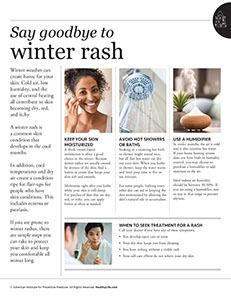
    Winter weather can create havoc for your skin. Cold air, low humidity, and the use of central heating all contribute to skin becoming dry, red, and itchy. A winter rash is a common skin condition that develops in the cool months.

    In addition, cool temperatures and dry air create a condition ripe for flair-ups for people who have skin conditions. This includes eczema or psoriasis.

    If you are prone to winter rashes, there are simple steps you can take to protect your skin and keep you comfortable all winter long.

    Keep your skin moisturized

    A thick, cream-based moisturizer is often a good choice in the winter. Because winter rashes are usually caused by dryness of the skin, find a lotion or cream that keeps your skin soft and smooth.

    Moisturize right after you bathe while your skin is still damp. For patches of skin that are dry, red, or itchy, you can apply lotion as often as needed.

    Avoid hot showers or baths

    Soaking in a steaming hot bath or shower might sound nice, but all that hot water can dry out your skin. When you bathe or shower, keep the water warm and limit your time to five or ten minutes.

    For some people, bathing every other day can aid in keeping the skin moisturized by allowing the skin’s natural oils to accumulate.

    Use a humidifier

    In cooler months, the air is cold and it also contains less water. If your home heating system does not have built-in humidity control, you may choose to purchase a humidifier to add moisture to the air.

    Ideal indoor air humidity should be between 30-50%. If you are using a humidifier, aim to stay in that range to prevent dryness.

    When to seek treatment for a rash

    Call your doctor if you have any of these symptoms:

    *  You develop open cuts or sores

    *  Your dry skin keeps you from sleeping

    *  You have itching without a visible rash

    *  Your self-care efforts do not relieve your dry skin

    © American Institute for Preventive Medicine

  • Take A Shot At Allergies

    SELF-CARE CORNER

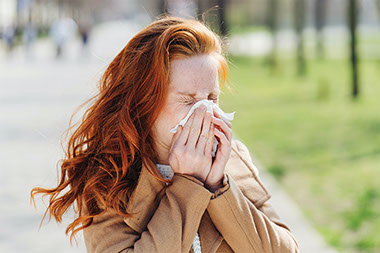
    Women outside using a tissue while sneezing.

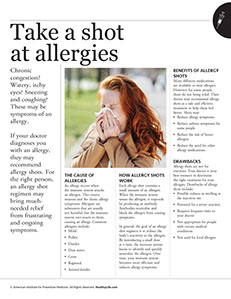
    Chronic congestion? Watery, itchy eyes? Sneezing and coughing? These may be symptoms of an allergy.

    If your doctor diagnoses you with an allergy, they may recommend allergy shots. For the right person, an allergy shot regimen may bring much-needed relief from frustrating and ongoing symptoms.

    The cause of allergies

    An allergy occurs when the immune system attacks an allergen. This creates mucous and the classic allergy symptoms. Allergens are substances that are usually not harmful, but the immune system over-reacts to them, causing an allergy. Common allergens include:

    *  Mold

    *  Pollen

    *  Dander

    *  Dust mites

    *  Grass

    *  Ragweed

    *  Animal dander

    How allergy shots work

    Each allergy shot contains a small amount of an allergen. When the immune system senses the allergen, it responds by producing an antibody. Antibodies neutralize and block the allergen from causing symptoms.

    In general, the goal of an allergy shot regimen is to reduce the body’s reactivity to the allergen. By introducing a small dose at a time, the immune system learns to identify and quickly neutralize the allergen. Over time, your immune system becomes more efficient and reduces allergy symptoms.

    Benefits of allergy shots

    Many different medications are available to treat allergies. However, for some people, those do not bring relief. Their doctor may recommend allergy shots as a safe and effective treatment to help them feel better. Shots may:

    *  Reduce allergy symptoms

    *  Reduce asthma symptoms for some people

    *  Reduce the risk of future allergies

    *  Reduce the need for other allergy medications

    Drawbacks

    Allergy shots are not for everyone. Your doctor is your best resource to determine the right treatment for your allergies. Drawbacks of allergy shots include:

    *  Possible redness or swelling at the injection site

    *  Potential for a severe reaction

    *  Requires frequent visits to your doctor

    *  Not appropriate for people with certain medical conditions

    *  Not used for food allergies

    © American Institute for Preventive Medicine

  • What Makes Your Head Hurt?

    MEDICAL NEWS

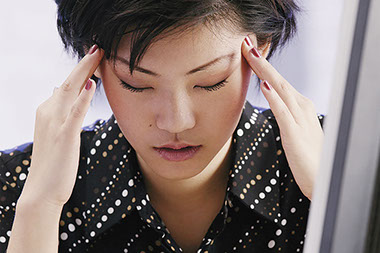
    Image of women with a headache.

    Headaches are one of the most common health complaints.

    About 95% of headaches are primary headaches, meaning they are not caused by some other medical condition. Most people can relieve headache pain by making lifestyle changes, learning how to relax, and taking pain relievers. Your doctor may have more suggestions.

    Here are the 3 main types of headaches, according to the National Institutes of Health:

    *Tension headachescan be treated with over-the-counter pain relievers. Stress management, relaxation exercises, or a hot shower may  also help.

    *Migraine headachescan be treated with over-the-counter or prescription drugs. Migraines often happen again and again but may be prevented with prescription drugs. Avoid food and drinks that can trigger migraines, such as caffeine, alcohol, and processed meats. Relaxation practices may reduce the number and severity.

    *Cluster headachescan be treated or prevented with prescription drugs. Nasal sprays that numb the nose and nostrils may help. Doctors also recommend avoiding alcohol.

    © American Institute for Preventive Medicine
  • Allergies Annoying You?

    SELF-CARE CORNER

    Women outside blowing her nose.

    A runny nose, sneezing, itchy eyes… allergy symptoms can be miserable and common. More than 50 million Americans have allergies.

    People can get allergies at different times of the year. This is because different allergy triggers come and go as the seasons change:

    *  If you have allergies in the spring, you may be allergic to tree pollen.

    *  People who notice allergy symptoms in the summer are usually allergic to grass or weed pollen.

    *  Those who notice their allergies getting worse in late summer to fall are probably reacting to ragweed pollen.

    *  Allergy symptoms related to wet, rainy weather are often due to mold.

    *  If you have allergies year-round, you may be allergic to something indoors like dust mites or pet dander.

    What does allergy medicine do?

    There are many medicines available today that treat allergies. Each one works in a different way and can help people with different types of allergies. With the help of your doctor, you can find a solution that helps control your allergy symptoms. This can include:

    *  Antihistamines. They stop histamine, which is a chemical that the body releases when it is exposed to an allergen. These can help tackle all types of allergy symptoms, from runny nose to itching. Some antihistamines are pills, and others are nose sprays.

    *  Nasal (nose) sprays. Some allergy nose sprays contain an antihistamine ingredient. Others may contain a steroid to help stop swelling and inflammation, which causes a runny nose and sneezing. Nose sprays can help shut down the allergic reaction that starts in the nose.

    *  Eye drops. Eye drops for allergies are helpful for people who notice itchy or watery eyes. They don’t usually help with sneezing or other allergy symptoms.

    *  Immunotherapy. Includes allergy shots or small tablets placed under the tongue. These treatments expose the body to a small amount of the allergen over time. Your healthcare provider will have to give these to you.

    With all the treatments available today, you don’t have to live with miserable allergy symptoms. But talk with your healthcare provider before you try any new medicines.

    Sources: American Academy of Family Physicians, Asthma and Allergy Foundation of America

    © American Institute for Preventive Medicine