Tag: reporting

  • Bullying: How To Take Action

    FAMILY LIFE

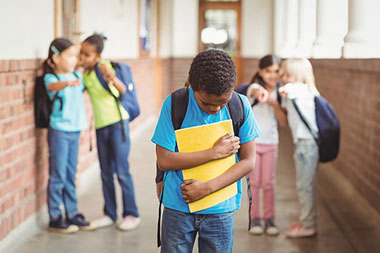
    Image of kids wispering and pointing towards a classmate whose head is down.

    Bullying can be hard to address, especially if it’s happening to your child. Knowing how to deal with bullying can help you support your child and stay calm about it. This is important because bullying can happen more than once.

    Dealing with bullying in the right way can help you (and your child) put a stop to it. If your child is being bullied, take the following steps:

    *  Talk to your child about what happened. Without interrupting or giving your opinion, let your child openly talk about what was said or done in the bullying situation. Be sure you understand the whole story. Support them as they talk by telling them you want to help, and by keeping your actions as calm as possible.

    *  Tell the child that bullying is not their fault. No one deserves to be bullied.

    *  When giving advice, use clear examples. Role playing can be very helpful in teaching a child what to do. Never tell them to fight back or use violence. This doesn’t help the situation and can get your child in trouble or hurt.

    *  Ask your child how you can help them feel safe again. Try not to single him or her out by making changes in their routine, such as switching classes or buses. Instead, try taking other steps, such as changing seating arrangements in school or on the bus.

    *  Talk with the school or organization. State your concerns and ask them how they feel it can be addressed. Remember that the school staff cannot “discipline” other kids. Even if you want to, avoid talking with the bullying child’s parents. School officials can talk with them and be a neutral moderator.

    *  Consider getting professional support for your child. Sometimes a school counselor or mental health expert can help a child who has been bullied.

    Bullying should never be ignored. Kids who are bullied may be at higher risk for health problems like:

    *  Depression

    *  Anxiety

    *  Sleep problems

    *  Loss of interest in activities

    Their grades may also suffer. Kids who are bullied are more likely to miss school or drop out.

    Source: Stopbullying.gov

    © American Institute for Preventive Medicine
  • How To Recognize And Report Abuse

    FAMILY LIFE

    Image of the word "Help" spelled out on a green chalk board.

    Child and elder abuse is a serious problem that affects people from all walks of life. One of the most important ways to protect victims from abuse is by making sure they get the help they need and by reporting cases to the authorities. Here’s how to recognize the different types of abuse and what to do in case you know someone who is a victim. This advice is from the General Services Administration of the U.S. government (www.USA.gov).

    Child Abuse

    Children who are victims of physical or emotional abuse often display mental and social development problems. In most cases, the abuse comes from their own parents or caretakers. Here are some of the signs of abuse:

    *Physical abuse:A child who suffers from physical abuse might have bruises, burn marks, broken bones and scars. They are often fearful of adults or certain people.

    *Sexual abuse:Victims of sexual abuse are forced to have sexual relations or engage in inappropriate physical contact with adults. Signs include feeling uncomfortable when changing clothes.

    *Emotional abuse:Children who experience emotional abuse are often victims of private or public humiliation and neglect. A child might show sudden changes in behavior and act violently.

    *Neglect:Children who are physically neglected show signs of lack of personal hygiene and bad health due to malnutrition, among other things.

    If you know or suspect that a child is a victim of abuse and is in immediate danger, call 911. To report a case of child abuse, call the National Child Abuse Hotline at 1-800-422-4453.

    Elder Abuse

    Elder abuse can occur in the victim’s home or at places such as assisted living facilities. People who abuse the elderly are usually people who know or take care of the victims. There are several types of abuse and all of them can have a profound negative impact on a person’s physical and mental health.

    *Physical abuse:As with child abuse, elders who suffer from physical abuse also might show bruises or other signs of injury on their bodies.

    *Sexual abuse:Elders who suffer from sexual abuse might become withdrawn.

    *Emotional abuse:This occurs when the victim is humiliated and treated with disrespect. The victim might feel useless or inferior and might suffer from depression.

    *Neglect:Elders show signs of physical neglect when caretakers fail to help them with their personal hygiene, food, clothing, and medications.

    *Financial abuse:Elders are often targets of financial fraud. This usually happens when people who take care of elders steal their retirement.

    If you know or suspect an elder is a victim of abuse and is in immediate danger, call 911. To report a case of elder abuse, call 1-800-677-1116 or visit the National Center on Elder Abuse atwww.ncea.aoa.gov.

    © American Institute for Preventive Medicine