SELF-CARE CORNER

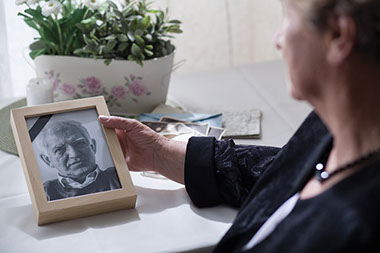
Life throws unexpected things at everyone. This can be everyday things, like spilling coffee on your shirt before a meeting. Or it can be major things, like a scary health diagnosis or the death of a loved one.
One thing is certain: We can’t control many of these challenges. But they don’t have to define who you are. You can learn how to deal with them in healthy ways and bounce back. In other words, you learn to be resilient.
What is resilience?
Resilience doesn’t mean your life will be easy. And it definitely doesn’t mean you should pretend everything is great all the time.
To be resilient, you will have to experience some challenges. And when those challenges happen, you learn actions and thoughts that help you rebuild your life.
Being resilient takes practice. It’s like learning to play an instrument or building muscles with exercise. The more you do it, the better and easier it gets.
Resilience has four main parts:
1. Connection
2. Wellness
3. Healthy thinking
4. Meaning
Connection
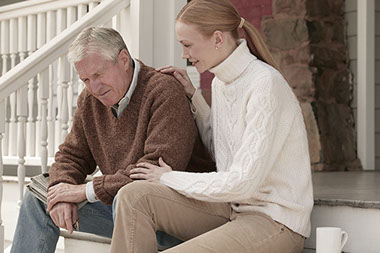
Put your relationships first. Time with friends or family members helps you mentally and physically. Everyone needs to be alone sometimes, but don’t isolate yourself when bad things happen. Use the power of community to get back on your feet. Join a support group or call a friend regularly. And consider using one of the many video chat options if you’re avoiding group activities outside of your household.
Wellness
Healthy habits will help you be more resilient. Exercise, get enough sleep and eat healthy foods. Try prayer, mindfulness or yoga. These things give your body and mind strength to deal with challenges. Avoid alcohol, drugs or risky behaviors.
Healthy thoughts
How you think affects how you feel. Accept that changes happen in life and that some are out of your control. Hope for a better future and find ways to make it better each day. Learn from past mistakes. Accept that worry doesn’t help.
Meaning
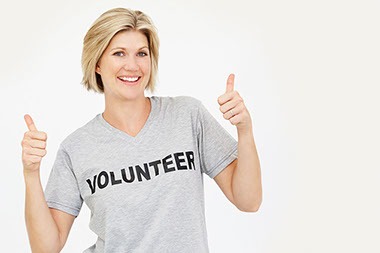
Help others or volunteer. Acknowledge your feelings during hard times. Then ask yourself what you can do about the problem. When hard things happen, ask yourself how you can grow and become a better person.
Source: American Psychological Association
© American Institute for Preventive Medicine