SUCCESS OVER STRESS
Trauma can affect both your body and your mind. A traumatic event might be a personal tragedy such as being in a car crash or losing a loved one. It could be a public disaster such as a flood or shooting.
Just seeing or hearing about devastating events such as a typhoon in the Philippines or a flood in New Orleans can feel distressing, even if you aren’t personally involved, according to NIH in Health.
We all respond to crises in different ways. It’s common to feel sad, vulnerable, or anxious. But if you continue to feel afraid and upset weeks or months later, consider talking with your doctor. You may have post-traumatic stress disorder (PTSD) or depression. These conditions can affect people of all ages.
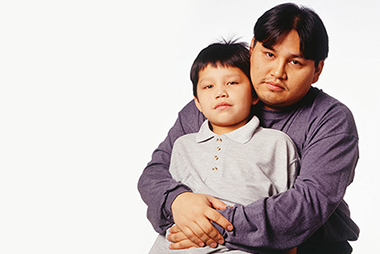
Children are especially sensitive to violent events or disasters. They may feel intensely hurt or frightened and find it hard to recover-or even talk about. Like adults, kids need emotional support from loved ones. They may also need medical care and counseling.
For more help, you can learn coping skills atwww.nimh.nih.gov/health/topics/coping-with-traumatic-events/index.shtml.

© American Institute for Preventive Medicine