Tag: resolve

  • Commit To Be Fit 2

    Fitness

    Couple stretching.

    You don’t have to join a gym to get fit. There are lots of ways you can break a sweat, shed pounds and improve your health. Small steps can make a big difference.

    *  Do leg lifts before you get out of bed.

    *  Walk the dog. Instead of slowing Fido down, pick up your pace.

    *  Use exercise equipment as intended, not as a clothes rack.

    *  Clean the house. That’s right, dust, mop, scrub and vacuum.

    *  Brainstorm ideas with co-workers while walking.

    *  Take the stairs instead of the elevator.

    *  If you must take the elevator, do squats during the ride.

    *  Do sit ups, pushups, and jumping jacks during TV commercials.

    *  Take your bike for a spin around the block.

    *  March while talking on the phone. (Stop if you start panting.)

    *  Work in your garden, garage, and basement.

    *  Drink plenty of water.

    Action Step:Challenge family to a contest of sit ups or pushups during TV commercials. Try to improve your count each time.

    Page from HealthyLife Weigh book by the American Institute for Preventive Medicine. www.HealthyLife.com. All rights reserved.

    © American Institute for Preventive Medicine

  • Plan Problem-Solving 2

    Healthylife® QuitWell™

    Part 2

    Image of smiling women at desk.

    Your worries and concerns take up time in your day. Many issues cannot simply be ignored or brushed aside. To avoid letting these thoughts trigger smoking or chewing habits, plan time to address them.

    Steps to Address Your Worries

    1. Write a worry at the top of a piece of paper. It may seem old-fashioned to write this down on paper, when so much is done on the computer or a smartphone. However, writing things down can be powerful.

    2. Divide the paper into three columns:

    a. What I can’t do. Recognize what is out of your control.

    b. What I can do. List possible actions that are within your control. Write things you know how to do and that are realistic actions for you to take.

    c. What I will do and when. Decide which action you are ready to take first. This action may not solve every part of the problem, but it is a small step toward a solution. Write when you will do this.

    3. After you have taken an action towards a solution, repeat this process the next day or when you are ready to take another step.

    © American Institute for Preventive Medicine
  • Plan Problem-Solving

    Healthylife® Weigh

    Part 6

    Problem, think, idea, solution diagram.

    Your worries and concerns take up time in your day. Many issues cannot simply be ignored or brushed aside. To avoid letting these thoughts trigger unhealthy eating habits, plan time to address them.

    Steps to Address Your Worries

    1. Write a worry at the top of a piece of paper.

    2. Divide the paper into three columns:

    a. What I can’t do. Recognize what is out of your control.

    b. What I can do. List possible actions that are within your control. Write things you know how to do and that are realistic actions for you to take.

    c. What I will do. Decide which action you are ready to take first. This action may not solve every part of the problem, but is a small step toward a solution. Write when you will do this.

    Mind Dump

    Use this tool when you feel you have too many thoughts to juggle and aren’t sure where to start. Use small pieces of paper or index cards to “mind dump” thoughts that come to mind. Write down concerns, ideas, and things you need to remember. Pull one card and use the steps above to address this worry. Don’t pull another card until you are satisfied with your plan to deal with the first worry.

    © American Institute for Preventive Medicine

  • Commit To Be Fit

    BE FIT

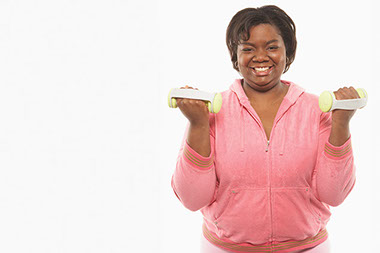
    Image of middle-aged women with dumb bells.

    How are those resolutions going about now? You can make a renewed commitment to yourself and your health anytime. Here’s advice from Life Time Fitness to move forward:

    *Create a vision statement.Make your resolution a commitment and create a vision statement that projects clear personal investment and connects directly to your happiness and health. Once you’ve created your personal vision, you can identify what goals will get you there.

    *Don’t assume you know how to exercise.Many people who exercise think they know what to do when they walk into a gym, but it is common to use poor form, train at an inappropriate intensity, or choose the wrong exercises for your needs. A well-planned program using proper exercise technique will prove much more successful. Sit down with a well-qualified and certified personal trainer to talk about your exercise program to start on the right track.

    *Test your readiness.Ask yourself how ready you are to make an actual change. If your vision is health-based and you’ve made the goal of working out every morning of the week, ask yourself (on a scale of 1 to 10 with 10 being absolutely positive) how likely you’ll be able to commit and achieve that task and identify barriers that might get in the way. If your readiness is 7 or above, you’re ready to embark on your vision. If it’s below 7, change or revise your goal until you’re confident enough to know you’ll succeed. Small steps to succeed are better than big steps to fail.

    *Junk the junk.Don’t think you can stick to your diet while keeping junk food in the house. Make a commitment to get rid of all the foods that don’t promote health. Instead, fill your kitchen with good choices.

    *Put it on the fridge.Laminate it, frame it or post it on your mirror. The goal is to have your resolution statement somewhere where you will see it often as a reminder of what you are working toward. If you’re a social person, share it.

    © American Institute for Preventive Medicine