Tag: risk

  • Avoiding Stranger Danger Isn’T Just For Kids

    Home Safety

    Image of a person in shadow.

    Always be on alert and aware of your surroundings.

    You don’t have to be paranoid that people are out to get you, but you should be cautious to avoid being robbed, carjacked, raped, and even killed for nothing more than a pair of shoes. Protect yourself and those you love.

    At home:

    *  When you move into a new home or apartment, change all locks right away.

    *  Use deadbolt locks on doors. Secure windows so they can’t be opened more than five inches from the outside.

    *  Keep shades or curtains drawn after dark and turn on outside lights.

    *  Install motion sensor lights that turn on when someone passes by.

    *  Don’t open your door to anyone you don’t know.

    *  Don’t list your first name in the phone book. Keep your name off your mailbox.

    On the go:

    *  Carry a cell phone with you. Make sure it’s charged.

    *  Walk tall on the streets and stay alert. Avoid walking alone at night, dark alleys, and people who look suspicious.

    *  Carry a whistle or stickpin.

    *  Make sure your car has plenty of gas.

    *  If your car breaks down, call for help. Stay inside with the doors locked and the windows up. Turn on your flashers and wait for police or other help to arrive.

    *  If someone approaches your car, crack your window and ask him or her to call for help. Don’t let the person into your car.

    *  Don’t hitchhike or pick up hitchhikers.

    *  If you are going on a date with someone you just met, meet him or her in a public place.

    Action Step

    Use common sense. Don’t jog, bike, or hike alone in secluded areas day or night. Instead, join a club or ask a friend who shares the same interests to join you.

    Ways to Well-Being book by the American Institute for Preventive Medicine. www.HealthyLife.com. All rights reserved.

    © American Institute for Preventive Medicine

  • Chest Pain & Heart Disease

    Women’s Health

    Women making heart shape with hands and wearing a wear dress.

    Chest pain can be a warning sign for many things. It is often linked to a heart attack, especially in men. Women should be just as concerned. Heart disease is the number one cause of death for women in the U.S.

    Signs & Symptoms

    Angina

    With this, the heart does not get as much blood and oxygen as it needs for a given level of work. This causes pain, discomfort, or a squeezing pressure in the chest. Aching in a tooth, jaw or neck can also occur. Symptoms usually go away with rest and/or nitroglycerin. Angina attacks may occur with anger, excitement, or exertion, such as walking up a hill.

    Heart Attack

    *  Chest pressure or pain (may spread to the arm, neck, back, tooth or jaw).

    *  Feelings of chest tightness, squeezing, or heaviness that last more than a few minutes or go away and come back.

    *  Chest discomfort with: shortness of breath, nausea, sweating, fast or uneven pulse, or fainting.

    *  An uneasy feeling in the chest with: fluttering or rapid heartbeats, extreme fatigue or weakness, unexplained or extreme anxiety, or severe indigestion that doesn’t go away with an antacid.

    *  Unusual chest, abdominal or stomach pain.

    *  Dizziness, nausea, trouble breathing, jaw or arm pain without chest pain.

    {Note: For any of these signs, don’t delay. Call 911 right away!} After your call:

    *  Chew 162-325 mg uncoated aspirin (up to 4 baby aspirins), unless you are allergic to aspirin.

    *  Be sure to tell the EMS driver that you are having chest pain.

    Heart Failure

    With this, the heart “fails” to supply the body with enough blood and oxygen for its needs. This develops slowly. It becomes chronic. Symptoms are: shortness of breath, feeling very tired or weak, swelling in the lower legs, ankles, and feet, dry cough or one with pink, frothy mucus, rapid weight gain, and a fast heartbeat.

    Causes

    Heart disease is caused by atherosclerosis. This is the buildup of plaque in the inner walls of the arteries. The plaque is made up of blood, platelets, cholesterol, fibrous tissue, and sometimes, calcium. Blood flow to the heart is slowed or blocked. Besides heart disease, chest pain can also be a symptom of:

    *  Mitral valve prolapse (MVP), a heart-valve problem.

    *  Bronchitis, pneumonia, lung injuries, etc.

    *  Heartburn or a hiatal hernia.

    *  Shingles.

    *  A pulled muscle or even swallowing too much air.

    Treatment

    Heart disease needs medical treatment. It is not always easy to know whether or not to seek medical care for chest pain. When in doubt, check it out. Prompt medical treatment for a heart attack or severe lung injury could be life-saving.

    Questions to Ask

    Self-Care / Prevention

    Reduce the Risk of Heart Disease

    *  Have regular medical checkups. Get your blood pressure and blood cholesterol checked as often as advised by your doctor.

    *  Don’t smoke or use tobacco. If you do, quit.

    *  Be at a healthy weight.

    *  Take all medications, as prescribed.

    *  If you have diabetes, high blood pressure or high cholesterol, follow your treatment plan.

    *  Follow a diet low in saturated fats, trans fats, and cholesterol. Limit sodium to 1500 mg to 2,400 mg per day. Eat plenty of vegetables and fruit, fiber-rich whole grains, fatty fish, nuts, seeds, beans, lentils, and olive or canola oil. Limit processed meats and sugary foods and beverages.

    *  Do regular exercise.

    *  Avoid or limit alcohol to one drink per day.

    *  Manage stress. Practice relaxation techniques.

    Pulled Muscle or Minor Injury to the Rib Cage

    *  Do not strain the muscle or ribs while pain is felt.

    *  Rest.

    *  Take an over-the-counter medicine for pain.

    Heartburn or a Diagnosed Hiatal Hernia

    *  Lose weight, if you are overweight.

    *  Eat 5 to 6 small meals a day and chew thoroughly.

    *  Avoid tobacco and alcohol. Avoid “trigger” foods, such as caffeine, spicy foods, citrus juices, chocolate, and  carbonated drinks.

    *  Don’t bend over or lie down after eating.

    *  For heartburn, take antacids after meals and before going to sleep.

    *  Don’t have food 2 hours before bedtime.

    *  Do not wear tight clothes, tight belts or girdles.

    *  Sleep on a bed with the head raised about 6 inches.

    Anxiety and Hyperventilating

    *  Talk about your anxiety with someone you trust.

    *  When you hyperventilate: Open up a small paper bag. Loosely cover your nose and mouth with it. Breathe slowly into the bag. Rebreathe the air in the bag. Do this about 10 times. Set the bag aside. Breathe normally for a couple of minutes.

    *  Try to breathe slowly. Focus on taking one breath every 5 seconds.

    Inflammation of the Cartilage Where the Ribs Attach to the Breastbone (Costochondritis)

    *  Take aspirin, ibuprofen, or naproxen sodium for pain.

    Mitral Valve Prolapse (MVP)

    *  Follow your doctor’s guidelines for self-care.

    *  Eat healthy foods. Limit caffeine and alcohol.  Don’t smoke.

    *  After checking with your doctor, exercise regularly to improve cardiovascular fitness.

    *  Deal with and control stress and anxiety.

    Resources

    American Heart Association & Go Red For Women

    888.MY.HEART (694.3278)

    www.heart.org

    www.GoRedForWomen.org

    National Heart, Lung, and Blood Institute (NHLBI)

    www.nhlbi.nih.gov

    Women's Self-Care book by the American Institute for Preventive Medicine. www.HealthyLife.com. All rights reserved.

    © American Institute for Preventive Medicine

  • Cirrhosis: Be Kind To Your Liver

    Abdominal & Urinary Conditions

    The liver is probably the most versatile organ you’ve got. It performs many tasks, including:

    *  Producing bile (a substance that aids digestion of fats).

    *  Producing blood proteins.

    *  Helping blood clot.

    *  Metabolizing cholesterol.

    *  Maintaining normal blood sugar levels.

    *  Forming and storing glycogen (the body’s short-term energy source).

    *  Manufacturing more than 1,000 enzymes necessary for various bodily functions.

    *  Detoxifying substances such as alcohol and many drugs.

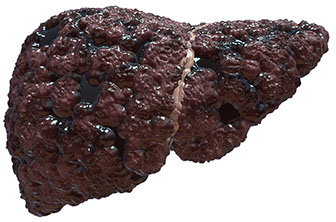
    Image of liver with cirrhosis.

    Liver with Cirrhosis

    The liver is equipped to handle a certain amount of alcohol without much difficulty. But drink too much alcohol, too often, for too long, and the vital tissues in the liver break down. Fatty deposits accumulate and scarring occurs. This is known as cirrhosis. It’s most commonly found in men over 45, yet the number of women developing cirrhosis is steadily increasing.

    To make matters worse, people who drink too much generally have poor nutritional habits. Since alcohol replaces food, essential vitamins and minerals are missing from the diet. Malnutrition aggravates cirrhosis.

    While alcohol abuse is the most common cause of cirrhosis, hepatitis, taking certain drugs, or exposure to certain chemicals can also produce this condition.

    Doctors recognize the following as signs of advanced cirrhosis.

    *  Enlarged liver.

    *  Yellowish eyes and skin, and tea-colored urine (indicating jaundice). Bleeding from the gastrointestinal tract.

    *  Itching.

    *  Hair loss.

    *  Swelling in the legs and stomach (indicating fluid accumulation).

    *  Tendency to bruise easily.

    *  Mental confusion.

    Cirrhosis can be life threatening, so get medical attention if you suspect your drinking habits may have gotten out of hand or you have any of the above symptoms. And needless to say, you (or anyone you suspect of having cirrhosis) should abstain from alcohol.

    A Year of Health Hints book by the American Institute for Preventive Medicine. www.HealthyLife.com. All rights reserved.

    © American Institute for Preventive Medicine

  • Heart Disease

    Heart & Circulation Problems

    Heart disease is a common term for coronary artery disease (CAD). It is the number one cause of death in the U.S. in both men and women. With heart disease, arteries that supply blood to the heart become hardened and narrowed. Heart disease can lead to these problems:

    *  Angina. With this, the heart muscle does not get as much blood and oxygen as it needs for a given level of work. A heart attack damages the heart muscle. Angina does not. It is a warning sign that a heart attack could occur, though.

    *  Heart attack.

    *  Heart failure (HF). With this, the heart “fails” to supply the body with enough blood and oxygen for its needs. This develops slowly. It becomes chronic.

    Signs & Symptoms

    *  Symptoms of angina are pain, discomfort, or a squeezing pressure in the chest. Aching in a tooth, jaw, or neck can also occur. Symptoms usually go away with rest and/or nitroglycerin. Angina attacks may occur with anger, excitement, or exertion, such as walking up a hill.

    *  Symptoms of a heart attack.

    *  Symptoms of heart failure are: Shortness of breath; feeling very tired or weak; swelling in the lower legs, ankles, and feet; dry cough or one with pink, frothy mucus; rapid weight gain; and a fast heart beat.

    Causes

    Illustration of healthy artery vs a clogging artery.

    Heart disease is caused by atherosclerosis. This is the buildup of plaque in the inner walls of the arteries. The plaque is made up of blood platelets, cholesterol, fibrous tissue, and sometimes calcium. The plaque narrows the arteries. This slows or blocks the flow of blood to the heart.

    Some factors increase the risk of heart disease. The more risk factors; the higher the risk.

    Risk Factors That Can’t Be Changed

    *  A past heart attack or stroke.

    *  Being a male 45 years or older.

    *  Being a female 55 years or older.

    *  Family history of heart disease:

    – A father or brother had heart disease before age 55.

    – A mother or sister had heart disease before age 65.

    Risk Factors That Can Be Controlled

    *  High blood pressure.

    *  High-risk blood cholesterol levels.

    *  Smoking.

    *  Being overweight or obese.

    *  Lack of physical activity.

    *  Having diabetes and high total and/or LDL (bad) cholesterol.

    *  Using cocaine or amphetamines.

    *  Metabolic syndrome.

    Other Factors that May Play a Role in Heart Disease

    *  Waist measurement > 40 inches for men; > 35 inches for women.

    *  C-reactive protein (CRP) in the blood. Levels of CRP rise when there is inflammation in the body.

    *  Elevated blood homocysteine levels.

    *  Infections, such as chlamydia pneumoniae.

    *  Elevated blood lipoprotein (a).

    *  Elevated blood triglycerides.

    Treatment

    The goals of treatment are to relieve symptoms, control or reduce risk factors, stop or slow further damage to the arteries, and prevent and treat cardiac events. Treatment includes:

    *  Self-Care / Prevention measures on this page.

    *  Medications.

    *  Procedures to open blocked or narrowed arteries or bypass them.

    *  Cardiac rehabilitation (rehab).

    Questions to Ask

    Self-Care / Prevention

    *  Have regular medical checkups. Get your blood pressure checked at each office visit or or as advised by your doctor. Get your blood cholesterol tested regularly, as advised by your doctor.

    *  Don’t smoke. If you smoke, quit.

    *  Get to or stay at a healthy weight.

    *  Take all medications as prescribed.

    *  If you are 50 to 69 years old, ask your doctor about the benefits and harms of aspirin therapy (e.g., 1 low-dose aspirin daily) to help prevent cardiovascular disease.

    *  See your doctor if you have any of the Signs & Symptoms of Diabetes.

    *  Follow a diet low in saturated fats, trans fats, and cholesterol. Limit sodium to 1,500 to 2,400 milligrams per day. Follow theDASH Eating Plan.

    *  Get regular exercise. Follow your doctor’s advice.

    *  Manage stress. Practice relaxation techniques.

    *  If you drink alcohol, do so in moderation. Too much alcohol can raise the risk for high blood pressure, heart disease, stroke, and other health problems. Moderate drinking, may be linked to a lower risk of coronary heart disease in some persons. Moderation means no more than 2 drinks a day for men; 1 drink a day for women and persons age 65 and older. One drink = 5 oz. of wine; 12 oz. of beer; or 1-1/2 oz. of 80-proof liquor.

    *  Ask your doctor how much, if any, alcohol you should drink.

    *  Get your doctor’s advice about taking vitamins, minerals, and herbal products.

    Metabolic Syndrome

    Metabolic Syndrome is having at least three of these five conditions:

    1.  Abdominal obesity. Waist measurement for this varies according to sex and ethnic group. Ask your doctor.

    2.  High triglycerides:* ≥ 150 mg/dL

    3.  Low HDL-cholesterol:* < 40 mg/dL for males; < 50 mg/dL for females

    4.  High blood pressure:* ≤ 140 mm Hg systolic and/or ≤ 90 mm Hg diastolic

    5.  High fasting glucose:* ≥ 100 mg/dL

    * Or taking medication to treat this condition.

    Resources

    The American Heart Association

    800.AHA.USA1 (242.8721)

    www.heart.org/HEARTORG

    National Heart, Lung, and Blood Institute (NHLBI)

    www.nhlbi.nih.gov
    Healthier at Home book by the American Institute for Preventive Medicine. www.HealthyLife.com. All rights reserved.

    © American Institute for Preventive Medicine

  • 10 Tips To Lower Your Risk For Colorectal Cancer

    SELF-CARE CORNER

    Image of older women smiling.

    UCLA experts encourage you to protect your colon health:

    1. Get regular colorectal cancer screenings starting at age 50 if you are at normal risk.

    2. Talk to your doctor about screenings before age 50 if you are at higher risk. This could be due to a personal or family history of colorectal cancer, other cancers or inflammatory bowel disease.

    3. Eat between 25 and 30 grams of dietary fiber each day. Fiber is in fruits, vegetables, whole-grain breads and cereals, nuts, and beans.

    4. Eat a low-fat diet. Colorectal cancer has been associated with diets high in saturated fat.

    5. Eat foods with the B-vitamin folate. Good sources are leafy green vegetables.

    6. Drink alcohol in moderation and quit smoking. Alcohol and tobacco in combination are linked to colorectal cancer and cancers of the stomach and intestines.

    7. Exercise for at least 20 minutes 3 to 4 days a week.

    8. Report to your doctor any persistent symptoms  such as:

    * Blood in the stool

    * A change in bowel habits

    * Weight loss

    * Narrower-than-usual stools

    * Abdominal pains or other gastrointestinal complaints

    9. Maintain a healthy weight.

    10. Get more information atwww.cancer.org(the American Cancer Society website).

    © American Institute for Preventive Medicine

  • Alcohol Increases Risk For Breast Cancer

    SELF-CARE CORNER

    Image of middle-aged women smiling wearing a pink blazer.

    Breast cancer is the second leading cause of cancer death for women in the United States, after lung cancer. Dr. Erica Mayer, a breast cancer expert at Dana-Farber Cancer Institute, says there are at least 5 simple ways women can reduce their risk of getting the disease:

    1.Limit alcohol.Research has shown having too much alcohol can increase your risk of breast cancer. If you choose to drink alcohol-including beer, wine, or liquor-limit yourself to no more than one half to one drink a day on average.

    2.Get a mammogram.Many health organizations advise women to get regular mammograms starting at age 40. “Mammography screening does not prevent or cure breast cancer, but it may detect the disease before symptoms occur,” said Dr. Mayer.

    3.Eat a healthy diet and keep your weight under control.The American Cancer Society recommends a diet rich in vegetables, fruits, whole grains, and fiber. “High-fat diets can lead to being overweight or obese, which is a risk factor for breast cancer,” said Dr. Mayer.

    4.Exercise.There’s growing evidence that physical activity reduces a woman’s breast cancer risk.

    5.Determine if you have family history of breast cancer and be vigilant to early detection.Twenty to 30% of people who develop breast cancer have a family history of the disease. About 5 to 10% of women carry a BRCA1 or BRCA 2 mutation, the so called “breast cancer genes.”

    © American Institute for Preventive Medicine

  • Casual Smokers At Risk

    MEDICAL NEWS

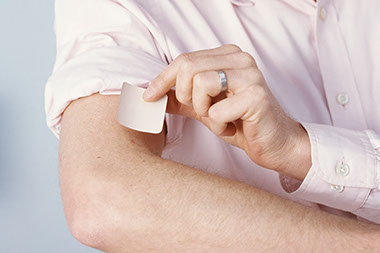
    Image of a person placing on a nicotine patch.

    People who smoke just a few cigarettes a day are exposed to the same serious health risks as heavier smokers, breaking a common myth that social or casual smoking is somehow safe or that they can easily quit.

    Casual smokers who smoke between 1 and 4 cigarettes a day, are tripling their risk of dying of heart disease and lung cancer, according to Dr. Robin J. Mermelstein, a clinical psychologist and director of the Center for Health Behavior Research at the University of Illinois at Chicago who specializes in smoking cessation counseling. Light smokers represent about 7 million of the U.S. smoking population.

    For light smokers looking to quit and stay smoke-free, Dr. Mermelstein offers the following advice:

    *Think about the reasons you smoke.It will give you a clearer path to quitting. Does smoking relieve stress? Is it a large part of your social life?

    *Get your head in the game.Get support products like nicotine replacement therapy and online help. Customized online support services provide encouragement to help you break your behavioral and psychological link to cigarettes and is proven effective in helping smokers quit.

    *Choose nicotine replacement that’s right for you.Lighter smokers may be less likely to use nicotine replacement therapy to help them quit, which means they could be setting themselves up for failure. Nicotine replacement therapies are clinically proven to reduce the physical withdrawal symptoms like cigarette cravings and can double a smoker’s chance of quitting successfully.

    For light smokers or heavier smokers, research shows the most successful approach to quitting is a combination of medicine, such as nicotine replacement patches, that can help reduce the physical cravings of nicotine, and behavioral strategies that help smokers cope with those triggers to light up. Your employer may offer some of these options.

    © American Institute for Preventive Medicine

  • Prediabetes: Are You At Risk?

    MEDICAL NEWS

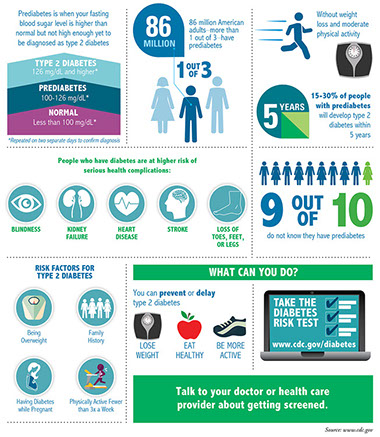
    Prediabetes infograph.

    © American Institute for Preventive Medicine