Tag: routine

  • Commit To Be Fit 2

    Fitness

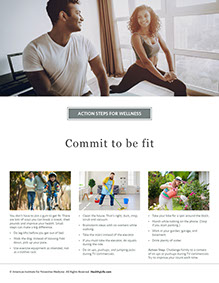
    Couple stretching.

    You don’t have to join a gym to get fit. There are lots of ways you can break a sweat, shed pounds and improve your health. Small steps can make a big difference.

    *  Do leg lifts before you get out of bed.

    *  Walk the dog. Instead of slowing Fido down, pick up your pace.

    *  Use exercise equipment as intended, not as a clothes rack.

    *  Clean the house. That’s right, dust, mop, scrub and vacuum.

    *  Brainstorm ideas with co-workers while walking.

    *  Take the stairs instead of the elevator.

    *  If you must take the elevator, do squats during the ride.

    *  Do sit ups, pushups, and jumping jacks during TV commercials.

    *  Take your bike for a spin around the block.

    *  March while talking on the phone. (Stop if you start panting.)

    *  Work in your garden, garage, and basement.

    *  Drink plenty of water.

    Action Step:Challenge family to a contest of sit ups or pushups during TV commercials. Try to improve your count each time.

    Page from HealthyLife Weigh book by the American Institute for Preventive Medicine. www.HealthyLife.com. All rights reserved.

    © American Institute for Preventive Medicine

  • 7 Quick And Easy Breakfast Tips

    HEALTHY EATING

    Image of father and daughter having breakfast.

    A healthy breakfast is a must for kids. Skip it and your kids will be playing nutritional catch-up for the rest of the day, said Carole L. Adler, a dietitian at the Food and Drug Administration.

    When kids skip breakfast, they don’t get what they need to be at their best. “Growing bodies and developing brains need regular, healthy meals,” she said. According to the Academy of Nutrition and Dietetics, studies show that school children who eat breakfast perform better in the classroom.

    As with other meals, it’s a good idea for your kids (and you) to eat a healthy balance of fruits and vegetables, proteins, grains, and dairy-not just for breakfast but throughout the day.

    Here are Adler’s 7 quick and easy breakfast tips to ensure your children start their day off right.

    1.Breakfast doesn’t have to mean traditional breakfast foods.Anything goes. Even last night’s leftovers.

    2.Give kids foods they like.Put veggies on that left-over whole-grain pizza. Or make muffins with zucchini and carrots and spread with peanut butter with a glass of milk. Mix sugary cereal with a healthier nutrient-packed brand.

    3.Make healthy trade-offs.Nutritional balance is key. Not enough vegetables in the morning meal? Prepare extra carrot, celery, and broccoli sticks with a hummus dip as an afternoon snack.

    4.Take growth and activity levels into account.Adler says that having a breakfast that contains protein, fat, and carbohydrates helps children feel full and stay focused until lunch. Protein choices might include an egg, some nuts, a slice of deli meat or cheese, or a container of yogurt.

    5.Don’t take, “Mom, I don’t have time for breakfast” as an excuse.Make sure your kids grab a piece of fruit on the way out the door, and hand them a bag of nut-and-fruit trail mix or a whole-wheat tortilla spread with peanut butter or almond butter and a carton of milk.

    6.Prep the night before.Morning is a busy time for everyone-you included. So take ten minutes to think ahead and prep for breakfast the night before. Chop up fruit to layer in a yogurt parfait or add to cereal. Cut up vegetables for an omelet. Mix up muffin or whole-grain waffle batter, cover, and put in the fridge.

    7.Use the Nutrition Facts label and ingredient statement when you shop.

    Desk snacks.

    People who have snacks in or on the desk reported weighing 15.4 pounds more than those who don’t. Use an opaque candy dish with a lid and store candy in a drawer where it’s less visible and accessible, advises Cornell University researcher, Dr. Brian Wansink, author of Slim by Design. Or, keep dried fruit or unsalted nuts in your desk drawer.

    © American Institute for Preventive Medicine

  • When To Brush Your Teeth

    SELF-CARE CORNER

    Image of soda in a glass.

    Consuming acidic foods and beverages, such as sports and energy drinks, citrus fruits, wine, and tomatoes, can erode tooth enamel-the glossy outer layer of the tooth. Brushing your teeth too soon after eating and drinking these items can cause more damage because you are essentially brushing the acid into the teeth, not getting rid of it, say experts at the Academy of General Dentistry. Instead, you should rinse your mouth with water after consuming acidic foods and beverages and wait at least 30 minutes before brushing your pearly whites!

    © American Institute for Preventive Medicine

  • Best Exercise For People With Diabetes

    BE FIT

    Image of middle-aged Hispanic man playing with a soccer ball.

    The best exercise for anyone with diabetes may be a notch above a casual walk, according to Jamie Cooper, assistant professor of nutritional sciences at Texas Tech University.

    “A person should exercise to the point when they’re breathing a little bit harder and sweating a little bit-then they know they’re working more intensely,” Cooper said.

    The type of exercise really doesn’t matter as long as you’re moving and getting some exercise on a regular basis. Finding something you enjoy and are motivated to do is probably more important than a specific type of exercise to treat diabetes.

    “It’s not something you just do once a month or for a couple of weeks and quit. It has to be something you adapt into your new, healthier lifestyle and do on a regular basis,” Cooper said.

    © American Institute for Preventive Medicine

  • 3 “S”S To Get Fit During The Holidays

    BE FIT

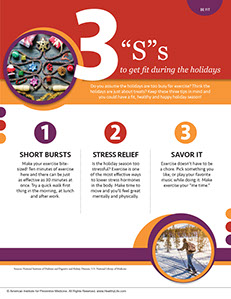
    Jump roap shaped into a christmas tree with ornaments and fitness gear.

    Do you assume the holidays are too busy for exercise? Think the holidays are just about treats? Keep these three tips in mind and you could have a fit, healthy and happy holiday season!

    1.  Short bursts: Make your exercise bite-sized! Ten minutes of exercise here and there can be just as effective as 30 minutes at once. Try a quick walk first thing in the morning, at lunch and after work.

    2.  Stress relief: Is the holiday season too stressful? Exercise is one of the most effective ways to lower stress hormones in the body. Make time to move and you’ll feel great mentally and physically.

    3.  Savor it: Exercise doesn’t have to be a chore. Pick something you like, or play your favorite music while doing it. Make exercise your “me time.”

    Sources: National Institute of Diabetes and Digestive and Kidney Diseases, U.S. National Library of Medicine

    © American Institute for Preventive Medicine

  • Books And Bedtime Routine

    WELL-BEING

    Image of a mom reading a book to her young toddler.

    Whatever happened to the good old-fashioned bedtime story? Not an iPad app or a TV show before bed. But a real story, read in bed to a child by a parent.

    Seems that bedtime routines help kids sleep better, say researchers at Penn State in this NIH-funded study. They say well-established rules such as a regular bedtime and no caffeine drinks led to children getting adequate sleep for their age. In contrast, when parents and kids had electronic devices in the bedroom after bedtime, lack of sleep was more likely.

    Poor sleep could lead to behavioral problems, impaired learning and school performance, sports injuries, mood issues, and health problems such as obesity.

    © American Institute for Preventive Medicine

  • Back-To-School Stress Busters

    FAMILY LIFE

    Smiling child with backpack on.

    Going back to school is a big transition for kids. Providing extra support and understanding can ensure a smooth start to the school year and a positive school experience.

    Ease into a daily routine

    A week or two before school starts, gradually establish an appropriate sleep and meal schedule. A tired or hungry child will struggle to manage their feelings. Set them up for success.

    Plan a daily chat time

    It doesn’t have to be long, but set aside ten or fifteen minutes to check in with your child. Ask questions and let them share their thoughts and feelings about their day.

    Make time for play

    Play is how kids relax and make sense of the world around them. Unstructured play should be a non-negotiable part of your child’s day.

    If your child is struggling, it helps to talk to your pediatrician. Your healthcare provider can recommend stress management techniques or address any other needs your child may have.

    © American Institute for Preventive Medicine

  • Commit To Be Fit

    BE FIT

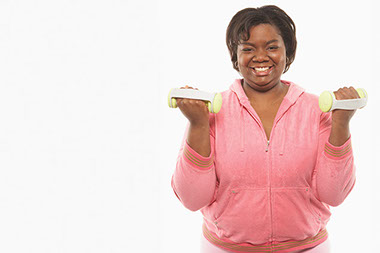
    Image of middle-aged women with dumb bells.

    How are those resolutions going about now? You can make a renewed commitment to yourself and your health anytime. Here’s advice from Life Time Fitness to move forward:

    *Create a vision statement.Make your resolution a commitment and create a vision statement that projects clear personal investment and connects directly to your happiness and health. Once you’ve created your personal vision, you can identify what goals will get you there.

    *Don’t assume you know how to exercise.Many people who exercise think they know what to do when they walk into a gym, but it is common to use poor form, train at an inappropriate intensity, or choose the wrong exercises for your needs. A well-planned program using proper exercise technique will prove much more successful. Sit down with a well-qualified and certified personal trainer to talk about your exercise program to start on the right track.

    *Test your readiness.Ask yourself how ready you are to make an actual change. If your vision is health-based and you’ve made the goal of working out every morning of the week, ask yourself (on a scale of 1 to 10 with 10 being absolutely positive) how likely you’ll be able to commit and achieve that task and identify barriers that might get in the way. If your readiness is 7 or above, you’re ready to embark on your vision. If it’s below 7, change or revise your goal until you’re confident enough to know you’ll succeed. Small steps to succeed are better than big steps to fail.

    *Junk the junk.Don’t think you can stick to your diet while keeping junk food in the house. Make a commitment to get rid of all the foods that don’t promote health. Instead, fill your kitchen with good choices.

    *Put it on the fridge.Laminate it, frame it or post it on your mirror. The goal is to have your resolution statement somewhere where you will see it often as a reminder of what you are working toward. If you’re a social person, share it.

    © American Institute for Preventive Medicine

  • Exercise Addiction: Are You At Risk?

    BE FIT

    Image of female in fitness attire.

    Many women think that with achieving a fabulous figure like fashion models comes happiness, wealth, and the ideal mate. They will often exercise to a dangerous point in pursuit of “their dream body,” say Dr. Julia Samton, a neuropsychiatrist, and Certified Personal Trainer Franci Cohen who speak out about the dangers of pushing yourself past your limit.

    “For some girls, this desire for that picture-perfect life can lead to exercise addiction-the beginning of this quest for perfection,” says Dr. Samton.

    Typical symptoms of someone who is letting exercise take over her (or his) life:

    *Intention effects.The amount of exercise or length of exercise sessions is longer than originally intended.

    *Time.Large amounts of time are spent exercising and conflict with other areas of life.

    *Continuance.The person will continue to exercise even with persistent physical or psychological issues that are made worse from exercising, such as a recurring injury.

    “The biggest red flag,” according to Dr. Samton, “would be when exercise starts to interfere with one’s occupational, social, and overall functioning. It’s at this point that treatment is recommended.”

    “Cognitive behavioral therapy can be helpful, but seeking a therapist with experience in exercise addiction is crucial. For extreme cases, there are inpatient treatment facilities,” says Dr. Samton.

    © American Institute for Preventive Medicine

  • 7 Daily Health Habits

    General Health Conditions

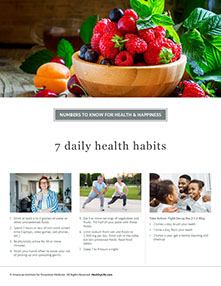
    A wooden bowl filled with berries.

    1.  Drink at least 6 to 8 glasses of water or other unsweetened fluids.

    2.  Spend 2 hours or less of non-work screen time (laptops, video games, cell phones, etc.).

    3.  Be physically active for 30 or more minutes.

    4.  Wash your hands often to lower your risk of picking up and spreading germs.

    5.  Eat 5 or more servings of vegetables and fruits. Fill half of your plate with these foods.

    6.  Limit sodium from salt and foods to 2,300 mg per day. Omit salt at the table. Eat less processed foods. Read food labels.

    7.  Sleep 7 to 9 hours a night.

    Take Action: Fight Decay the 2-1-2 Way

    *  2 times a day, brush your teeth

    *  1 time a day, floss your teeth

    *  2 times a year, get a dental cleaning and checkup

    Health at Home Lifetime book by the American Institute for Preventive Medicine. www.HealthyLife.com. All rights reserved.

    © American Institute for Preventive Medicine