HEALTHY EATING
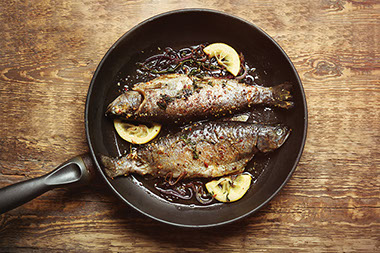
Fish are a healthy choice of protein. They are low-calorie and contain fats that can boost heart health.
However, fish also contain mercury. Some fish contain high amounts, but others contain very low amounts. Fish absorb mercury from the environment. But they also get it from manufacturing, coal burning and other things.
The type of mercury found in fish is called methylmercury. Too much methylmercury can damage a person’s brain and nervous system. This is even more dangerous for a developing fetus and for young children.
Is fish safe to eat?
Fish is safe and healthy to eat if you choose the right kind of fish and the right amounts. A serving size of fish is four ounces. This is about the size of the palm of your hand. Adults should eat at least two “palm-size” portions each week.
Children should eat less than this amount. Ask your child’s pediatrician about the recommended amount for their age.
Pregnant and breastfeeding women should avoid high-mercury fish. They can eat up to 3 palm-sized servings of low-mercury fish each week.
Low-mercury fish types
There are many types of fish that are low in mercury. They include the following:
* Anchovies
* Cod
* Flounder
* Haddock
* Herring
* Oyster
* Perch, freshwater and ocean
* Pickerel
* Pollock
* Salmon
* Sardines
* Scallops
* Shrimp
* Sole
* Tilapia
* Tuna, canned light (limit albacore to 1 serving/week)
* Whitefish
High mercury fish to avoid
The following types of fish are high in mercury. People should not eat these types of fish.
* King mackerel
* Marlin
* Orange roughy
* Shark
* Swordfish
* Tilefish (Gulf of Mexico)
* Tuna, bigeye
Local fishing
If you like to eat fish caught from local waters, check fish advisories first. Then, eat only one palm-size serving and don’t eat other fish that week.
Fish advisories can be found on the Environmental Protection Agency (EPA) website. Go tofishadvisoryonline.epa.gov.
Sources: U.S. Environmental Protection Agency, U.S. Food and Drug Administration
© American Institute for Preventive Medicine