Nutrition

Fit more fiber into your regular routine.
Fiber is good for many reasons. It aids in digestion, relieves constipation, and normalizes bowel movements. Studies have shown that it can help with weight loss, diabetes, cancer, and cardiovascular disease. More specifically, it lowers bad cholesterol in the blood and reduces the risk for developing coronary artery disease, stroke, and high blood pressure. It may also lessen the risk for type 2 diabetes.
How much is enough
The Institute of Medicine suggests that men get about 38 grams of fiber a day; women, 25 grams. Unfortunately, the average daily intake is only 14 grams.
Mix it up
To make sure you get enough, follow these tips:
* Eat breakfast cereals that contain 5 or more grams of fiber per serving.
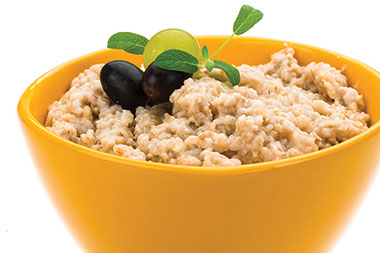
* Make a bowl of oatmeal and top it with nuts and fruit.
* Choose breads that list 100% whole wheat flour as the first ingredient.
* Try barley, wild or brown rice, quinoa (ki-nwa), whole-wheat pasta, and bulgur.
* Add veggies to pasta and rice dishes.
* Have a salad and add beans and a variety of raw vegetables.
* Eat more beans, lentils, and peas.
* Snack on fruits, nuts, and seeds. Good choices are apples, pears, almonds, pistachios, and sunflower seeds.
* Snack on air-popped popcorn or have sliced vegetables with hummus.
Two types of fiber
Soluble fiber is in barley and oats, beans, peas, and some fruits and vegetables. It helps lower blood sugar and cholesterol.
Insoluble fiber is in bran, whole wheat, seeds, and the skins of fruits and vegetables. It helps prevent and treat constipation.
Action Step
Do not fiber up in one sitting. Ease it into your diet gradually so your body can get used to it. Otherwise, you may experience gas, bloating, and cramping.
© American Institute for Preventive Medicine