SELF-CARE CORNER
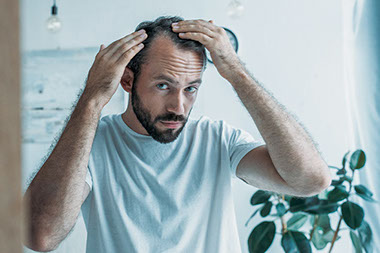
Hair loss is a normal part of life and aging. The average person loses 100 strands of hair from their scalp every day. Usually, these hairs grow back as part of a hair follicle’s lifecycle.
However, as people get older, hair loss usually outpaces hair regrowth. In addition, some people may be susceptible to losing their hair early in life.
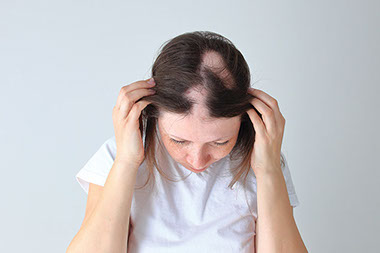
Alopecia, another name for hair loss, can be frustrating, embarrassing, and tough to manage. But, there may be options available to slow, halt, or reduce the appearance of thinning hair.
Causes of alopecia
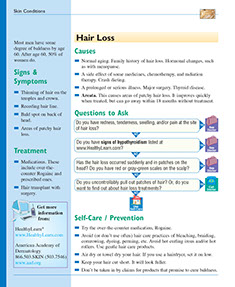
There are many different types of alopecia, each with a different cause.
For example, androgenetic alopecia, commonly known as pattern baldness, is linked to your genetics. If your dad or mom experienced pattern baldness, the likelihood is you will too.
Other causes include:
* Aging
* Genetics
* Hormones
* Stress
* Thyroid dysfunction
* Medications
* Chemical hair treatments
* Autoimmune reactions
Treatment options
The best way to manage hair loss depends on the cause. While some forms of alopecia may be slowed or halted, others are irreversible. Your medical doctor or dermatologist is your best resource when exploring treatments for alopecia.
Options may include:
* Topical medications or shampoos
* Oral medications
* Corticosteroid injections
* Hair transplant
* Wigs or hairpieces
Caring for your hair
How you treat your hair may contribute to alopecia in some cases. The better care you take of the hair you have, the healthier it will be.
* Use a gentle shampoo that won’t remove moisture from your hair.
* Apply conditioner after every shampoo.
* Limit how long and how often you blow-dry your hair.
* Avoid wearing your hair in a tight bun, ponytail, or braid.
* Brush or comb your hair gently. Avoid tugging.
If you are dealing with alopecia, talk to your doctor to find out the cause and discuss the best treatment options for you.
© American Institute for Preventive Medicine