Tag: schedule

  • What Is The Intermittent Fasting Diet?

    HEALTHY EATING

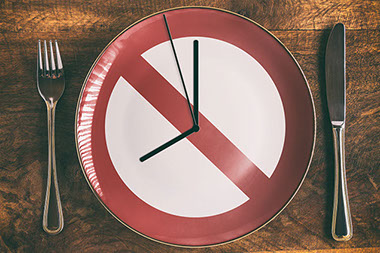
    Concept image of plate with "DO NOT" sign and clock hands.

    The intermittent fasting (IF) diet is one of the latest diet trends. The idea behind the IF diet is to use fasting, or periods of not eating, to lose weight.

    The IF diet does not focus on the types of foods you eat. Instead, it tells you to eat within certain time frames. Some IF plans say you should eat within a few hours of each day. For instance, you can eat within an 8-hour window, from noon to 8 p.m. Then, during the other 16 hours, you do not eat.

    Other IF plans tell you to eat normally for a few days a week and do a “fast” on other days. This fast may mean not eating at all or eating only small amounts. Some plans tell you to eat normally five days a week, followed by a  24-hour fast for two days.

    The history of fasting

    People who support IF diet plans say that humans are built for fasting. Our ancient ancestors didn’t have food available all the time as we do today. They didn’t have refrigerators or ways to keep food fresh and on hand. They didn’t have grocery stores and restaurants open all night.

    Before modern times, humans hunted or gathered plants for food during the day. Then, there would be no food for several hours. Sometimes, they would go for a day or more without eating because they couldn’t get food at all. For these reasons, some people believe that fasting is a way to use a similar approach today.

    More studies

    Many of the IF diet studies have been done using rats. But some small human studies show that IF can help some people lose weight.

    Research shows that IF doesn’t seem to work better than other healthy diets. And, fasting can be hard to do.

    The intermittent fasting diet is not a magical weight loss solution for everyone. But, if you are in good health and your doctor says it’s OK, it may be worth a try.
    © American Institute for Preventive Medicine
  • Exercising When The Days Are Short

    BE FIT

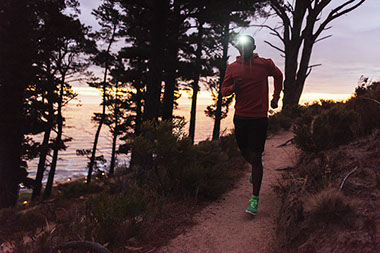
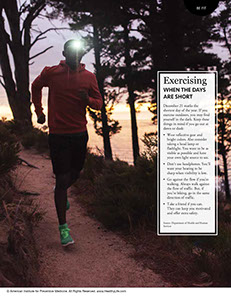
    Man running at dusk with head light.

    December 21 marks the shortest day of the year. If you exercise outdoors, you may find yourself in the dark. Keep these things in mind if you go out at dawn or dusk:

    *  Wear reflective gear and bright colors. Also consider taking a head lamp or flashlight. You want to be as visible as possible and have your own light source to see.

    *  Don’t use headphones. You’ll want your hearing to be sharp when visibility is low.

    *  Go against the flow if you’re walking. Always walk against the flow of traffic. But, if you’re biking, go in the same direction of traffic.

    *  Take a friend if you can. They can keep you motivated and offer extra safety.

    Source: Department of Health and Human Services

    © American Institute for Preventive Medicine
  • Meal Planning Basics

    Healthylife® Weigh

    Part 3

    Family at home eating breakfast in the kitchen.

    This online guide uses the terms breakfast, lunch, dinner, and snacks.

    *  Breakfast: The first time you eat upon waking

    *  Lunch: 3-4 hours later

    *  Dinner: 4-5 hours later

    *  Snacks: Small meals between breakfast, lunch, and dinner. These are optional, but snacks may help you manage hunger.

    Your work schedule, culture, travel, dietary restrictions, or preferences may mean you have a different meal schedule. Label each meal or snack in a way that makes sense to you.

    Goals for all meals and snacks:

    *  Get enough energy and nutrients.

    *  Choose foods from the main food groups.

    *  Meet, but try not to go over, your daily goals for all food groups.

    *  Avoid spikes or drops in blood sugar that can trigger overeating,  sugar cravings, mood swings, and tiredness.

    *  Include tasty foods.

    *  Build time management into the meal plan.

    Do I have to eat breakfast?

    Breakfast is an important meal that you shouldn’t skip. Eating breakfast:

    *  Gives your body energy after a long break in eating.

    *  Kick-starts your metabolism and helps you burn energy during the day.

    *  May help with memory, concentration, and focus.

    *  May lower your risk for heart disease, type 2 diabetes, and obesity.

    You don’t have to eat typical breakfast foods to get the benefits of eating breakfast. Choose foods high in protein and nutrient-dense carbohydrates. Try whole grain pancakes with yogurt and fruit. Or, re-heat leftovers from the night before.

    © American Institute for Preventive Medicine
  • Plan Physical Activity

    Healthylife® Weigh

    Part 5

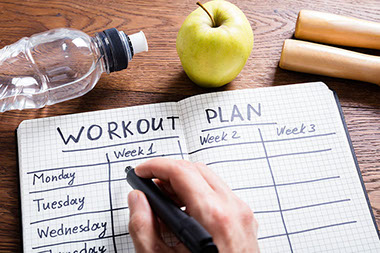
    Workout plan in notebook.

    *  What do you want to do?

    *  Are you doing this alone? Or, who will you do it with?

    *  Where and when will you do this?

    *  What do you need to wear? What do you need to bring?

    *  Write down your specific goals for this workout. If planning a HIIT or resistance training session, write down each part of your exercise plan. Bring this with you when you exercise.

    –  Warm-Up:

    –  Main Activity:

    –  Cool-Down/Stretching:

    © American Institute for Preventive Medicine

  • Plan Time To Plan Meals

    Healthylife® Weigh

    Part 3

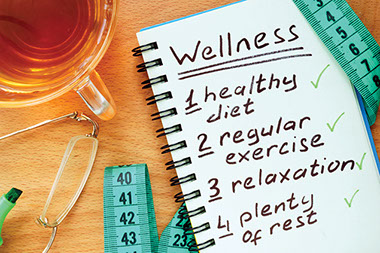
    Notebook with wellness checklist, including diet, fitness and rest.

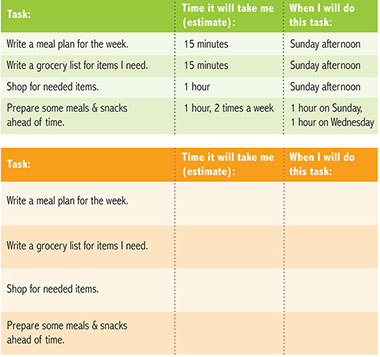
    Make planning your food part of your weekly routine, like going to work or doing laundry. Planning meals helps you select and eat foods in your MyPlate plan, as well as save time and money.

    Having variety is important over time, but it can help to have the same breakfast each day, plan a similar snack, or prepare a dish that covers several meals. You will need time to:

    Look at the Big Picture

    As you get ready to plan your meals, look at the big picture of your wellness goals. Your lifestyle change is about more than just food! Set a non-food goal that will help you take another step toward living a healthy lifestyle. Use this page to pick an idea for the week or write a new idea.

    Make healthy living something you enjoy.

    *  Walk a new trail or part of my neighborhood.

    *  Volunteer at a local food bank to give back and help others eat well.

    *  Find a positive person to follow on social media.

    *  Give a friend or family member a call.

    © American Institute for Preventive Medicine
  • Fitting In Fitness When Life Is Busy

    BE FIT

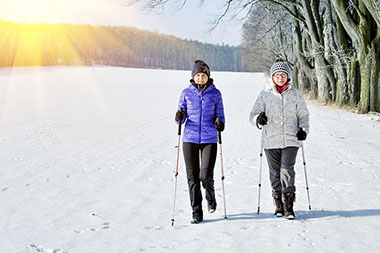
    Image of two female friends walking outside in the winter.

    Regular exercise improves your physical and mental health in many ways. Despite its benefits, exercise can be hard to fit into a busy schedule. But no matter how busy your life is, there are ways to make physical activity a part of your routine. Try these small steps to work toward a more active life.

    *Focus on small chunks of time.Many people feel overwhelmed when they think about having to exercise for 30 to 60 minutes. But even 10 minutes of exercise has health benefits. Instead of surfing the web for 10 or 15 minutes, turn on some music and dance, climb the stairs or take a walk.

    *Schedule it in.Most people have at least a few minutes a day they could spend doing exercising instead of leisure activities. TV or Internet time are great examples of things you could cut back on to make time for physical activity. Put your exercise time in your calendar or set an alarm to remind you to get up and move.

    *Make it convenient.Try to find a gym that’s close to your home or work so you can stop by without going out of your way. Or, check out fitness DVDs from the library to use at home. If you make it easier to get started, it may be easier to stick with it.

    *Don’t forget about weekends.Use your days off to get in a few extra minutes of exercise. Instead of quick 10-minute walks, make it 30 minutes. Or, go to a park or walking trail and enjoy the scenery and the extra time for yourself. Go for a family exercise outing to help everyone get healthier!

    *Make the most of break time.Take just five to 10 minutes to walk around the building or up some stairs when you have a break from work.

    © American Institute for Preventive Medicine
  • Keeping Track Of Medicines

    WELL-BEING

    Close up image of hands holding medications.

    Did I take my medicine? If you find yourself asking that question often, try these tips to help you keep track.

    *Keep them in an accessible spot.As long as they’re out of reach of children or pets, the best place for your medicine is a place you’ll see it.

    *Write it down.Purchase a small notebook and write down each medicine as you take it. Be sure to record the date, time, and what you have taken.

    *Use technology.Today’s smartphones have alarms you can use to remember your medicines. Set separate alarms for each medicine and have them repeat daily. Don’t have a smartphone? Check out “talking” pill boxes. Take the medicine as soon as the alarm goes off. Don’t wait – or you may forget!

    *Know what to do if you miss a dose.Some medicines should be “made up” at the next dose, but others should not. It may be dangerous if you forget certain life-saving medicines.

    Medicines we use the most

    The most frequently prescribed medicines in the U.S. are:

    *  Pain relievers

    *  Lipid-lowering medicines (to lower cholesterol or triglycerides)

    *  Antidepressant medicines

    © American Institute for Preventive Medicine
  • Sleep-Wake Cycle Needs To Be Consistent

    WELL-BEING

    Image of vintage yellow clock.

    Sleeping late now and then may feel like a luxury. But an inconsistent sleep schedule can throw off your body’s sleep and waking pattern, or circadian rhythm, according to sleep specialists writing in the Harvard Health Letter. Inconsistent cycles can lead to sleepless nights.

    To get sleep and waking patterns back on track, talk to a sleep expert. The first step is a physical exam to rule out underlying health conditions that may cause insomnia. If no underlying cause is found, try a sleep journal. Each morning, write down the wake time, the bedtime from the night before, how long it took to fall asleep, and whether there was any waking in the night-and if so, how many times. After two weeks, a pattern will emerge. It can help pinpoint any changes that need to be made.

    The wake time is most important to getting on a schedule again because it anchors the circadian sleep rhythm. Use an alarm clock to stick to the schedule. Make bedtime about seven or eight hours before the alarm will sound.

    It also helps to make a wind-down period part of the bedtime routine. That means stopping the use of all electronics an hour and a half before bed, keeping the lights low, and doing a relaxing activity such as reading.

    Filling the day with more structure will also reinforce the circadian rhythm. Keep a regular schedule for work, meals, exercise, and activities such as grocery shopping, socializing, or housework.

    © American Institute for Preventive Medicine