Tag: school

  • Bullying: How To Take Action

    FAMILY LIFE

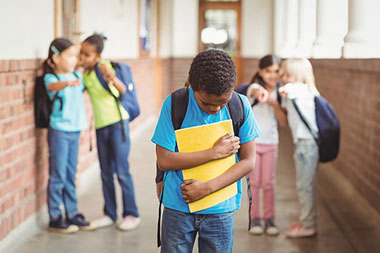
    Image of kids wispering and pointing towards a classmate whose head is down.

    Bullying can be hard to address, especially if it’s happening to your child. Knowing how to deal with bullying can help you support your child and stay calm about it. This is important because bullying can happen more than once.

    Dealing with bullying in the right way can help you (and your child) put a stop to it. If your child is being bullied, take the following steps:

    *  Talk to your child about what happened. Without interrupting or giving your opinion, let your child openly talk about what was said or done in the bullying situation. Be sure you understand the whole story. Support them as they talk by telling them you want to help, and by keeping your actions as calm as possible.

    *  Tell the child that bullying is not their fault. No one deserves to be bullied.

    *  When giving advice, use clear examples. Role playing can be very helpful in teaching a child what to do. Never tell them to fight back or use violence. This doesn’t help the situation and can get your child in trouble or hurt.

    *  Ask your child how you can help them feel safe again. Try not to single him or her out by making changes in their routine, such as switching classes or buses. Instead, try taking other steps, such as changing seating arrangements in school or on the bus.

    *  Talk with the school or organization. State your concerns and ask them how they feel it can be addressed. Remember that the school staff cannot “discipline” other kids. Even if you want to, avoid talking with the bullying child’s parents. School officials can talk with them and be a neutral moderator.

    *  Consider getting professional support for your child. Sometimes a school counselor or mental health expert can help a child who has been bullied.

    Bullying should never be ignored. Kids who are bullied may be at higher risk for health problems like:

    *  Depression

    *  Anxiety

    *  Sleep problems

    *  Loss of interest in activities

    Their grades may also suffer. Kids who are bullied are more likely to miss school or drop out.

    Source: Stopbullying.gov

    © American Institute for Preventive Medicine
  • Packing A Lunch Punch

    HEALTHY EATING

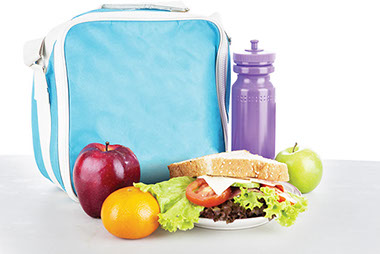
    Image of lunch bag with a water bottle, a sandwich, apples and orange.

    Plan ahead and first wash your hands before packing a school lunch (or your own).

    “Think about the perishability of the foods you’re making,” said Rutgers University professor Don Schaffner, a food scientist and spokesperson for the Institute of Food Technologists. “Perishable foods can remain at room temperature for no more than 2 hours. Properly refrigerated foods can last a long time, but most school children won’t have access to a refrigerator where they can store their lunchbox.”

    The Institute offers some guidance for parents as they pack lunches:

    *  Start each day with a clean box or bag. Insulated, vinyl lunch bags are popular and do better at keeping foods cool than paper bags or metal lunch boxes.

    *  Clean out lunch bags using warm soapy water and allow them to dry completely overnight before packing the next day. This helps deter the growth of bacteria in the bag.

    *  Choose secure packing materials, such as sealable, single-use sandwich bags that can be disposed of when used, or reusable plastic wear that is dishwasher safe.

    *  As much as possible, opt for foods that are not perishable, such as peanut butter and jelly sandwiches. (Follow the school’s policy on peanut butter. It may not be allowed due to peanut allergies.) PBJs will last from the time you prepare it in the morning until lunchtime. Single-serve fruits in prepackaged containers are also great options because they’re less perishable.

    *  Encourage older kids to assemble lunch on their own at school. Pack bread in one container and place fillings like meat or cheese separately with a cold pack. Having kids assemble the sandwich at lunchtime ensures the freshest possible results!

    *  Cold packs are designed to keep foods and drinks cold, not cool them down. If you start with room-temperature ingredients in the morning, it’s unlikely the cold pack will be able to cool them enough by lunchtime. Instead, refrigerate items the night before.

    *  Always use a cold pack when you are packing anything perishable, like cheese and meat slices or fresh-cut fruit with a yogurt-based dip. Place the perishable food right against the cold pack in the bag.

    *  For hot foods like chili, soup, or stew, use an insulated container. Before storing the food, fill the container with boiling water, let it stand for a few minutes, empty it, and then add the hot food.

    © American Institute for Preventive Medicine

  • Too Sick For School?

    SELF-CARE CORNER

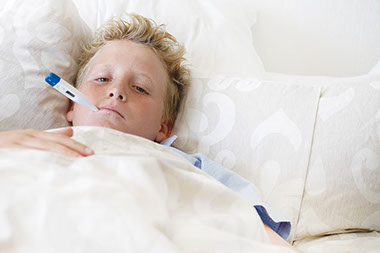
    Image of sick boy in bed.

    Colds? Flu? What to do? Sending a sick child to school can make matters worse and spread the illness to others. Follow these guidelines from pediatrician Dr. Jacqueline Kaari, University of Medicine and Dentistry of New Jersey, who said, “Parents need to be able to quickly assess their child and determine if he or she is well enough to go to school or needs to stay home, or if it’s time to call the pediatrician. Sometimes, parents will guess wrong, but if there’s one rule of thumb, it should be to always err on the side of caution.”

    Colds.What to do: Use over-the-counter saline nose drops or spray and a cool mist humidifier to relieve symptoms. Because colds are caused by viruses, antibiotics are not effective. Instead, the cold just needs to run its course until the child recovers. Contact your child’s doctor if a cough suddenly worsens or a fever develops.

    Fever.What to do: Give acetaminophen or ibuprofen for fevers. Encourage the child to drink lots of fluids and avoid fatty or fried foods that are hard to digest because fevers decrease stomach activity. Keep children at home if their fever is above 100.4ºF. Call a doctor if a high fever lasts more than 24 hours or does not respond to medication, or if the child’s condition worsens.

    Flu.Striking more suddenly and more intensely than a cold, the flu causes a sudden, high fever with body aches. What to do: Have your child vaccinated early in the flu season to protect against this illness. A child who comes down with the flu should stay home for several days, rest, and drink lots of fluids.

    Conjunctivitis (“pink eye”).A red, weeping eye(s) with a thick discharge that could become crusty when sleeping. What to do: Contact your child’s doctor for treatment, which may include antibiotic eye drops. Conjunctivitis can be highly contagious. Follow the doctor’s advice. Children can usually return to school 24 to 48 hours after treatment begins. Check with the school’s policy.

    Head lice.Tiny, crawling bugs that live on the scalp and feed on blood. Itching and sores on the scalp can be signs of head lice. The insects cannot jump or fly and are spread by human contact. What to do. Under bright light, check the entire scalp closely for lice or tiny white eggs (called nits), starting at the upper neck and behind the ears. Lotions and shampoos that can kill the lice are available at the drug store. Keep the child home from school until the lice have completely gone away.

    Sore throat.What to do: Have the child drink a few sips of water. If that relieves the symptoms, you are likely dealing with, at worst, a viral infection that will go away with a few days of rest, plenty of liquids, and pain relievers. If you suspect strep throat, follow the fever guidelines and contact your child’s doctor.

    Stomach ache.What to do: Keep children who have been vomiting home from school. Wait an hour after the child vomits and encourage small drinks of water. Gradually introduce clear liquids and bland foods throughout the day. Contact your doctor if vomiting lasts beyond 24 hours, occurs with worsening pain at the belly button or lower right abdomen, or if the child vomits blood or green or yellow matter.

    © American Institute for Preventive Medicine