Tag: screens

  • Set Up Good Sleep Habits

    Student Health

    *  Plan ahead. Don’t start writing a paper the night before it is due or cram for a test the night before you have it. Doing these things starts a cycle of staying up all night and never catching up on sleep.

    *  Get at least 30 minutes of sunlight exposure daily.

    *  Get regular exercise, but not within a few hours of going to bed.

    *  If you have a roommate, discuss and decide when your room will be used for studying, socializing, and sleep.

    *  If your dorm is too noisy to sleep, talk to your resident advisor and/or learn to tune out the noise in order to get to sleep. If it helps, listen to soft music with earphones when you fall asleep. Wear earplugs, if necessary.

    *  Make your dorm room or bedroom as comfortable as possible. Create a quiet, dark atmosphere. Keep the room temperature comfortable (neither too warm nor too cold). Don’t wait longer than a week to change the sheets on your bed.

    *  Have food items rich in the amino acid  L-tryptophan, such as milk, turkey, or tuna fish, before you go to bed. Eating foods with carbohydrates, such as cereal, breads, and fruits may help as well. (Do not, however, take L-tryptophan supplements.)

    *  Develop a regular bedtime routine. Brush your teeth, lock or check doors and windows, get your backpack ready for the next day, etc. Try to go to bed and get up at the same time every day.

    *  Take a long, warm bath or shower before bedtime.

    *  Read a book or do some repetitive, calm activity. Avoid distractions that may hold your attention and keep you awake, such as watching a suspenseful movie.

    *  Avoid caffeine in all forms after lunchtime. Caffeine is in coffee, tea, chocolate, colas, other soft drinks, such as Mountain Dew, and some bottled water, such as Cup of Joe.

    *  Don’t take No-Doz. Avoid alcoholic beverages at dinnertime and during the rest of the evening, too. Even though alcohol is a sedative, it can disrupt sleep.

    *  Don’t take over-the-counter sleeping pills or friends’ or relatives’ sleeping pills. Only take sleep medicine with your health care provider’s permission.

    *  Count sheep! Picturing a repeated image may bore you to sleep.
    Student Self-Care book by the American Institute for Preventive Medicine. www.HealthyLife.com. All rights reserved.

    © American Institute for Preventive Medicine

  • Go Dark For Better Sleep – And Better Mornings

    WELL-BEING

    Image of a young female using a tablet in the dark.

    Your nighttime habits may be hurting your morning routine. Many electronic devices, such as smartphones, computers and tablets, give off blue light. This type of light boosts energy – and can interfere with sleep.

    If you wake up feeling groggy in the morning, try shutting off the electronics two to three hours before bedtime. And, make sure you get out and see some daylight and other bright lights during your waking hours. This can help set your body’s internal clock, telling you when to wind down at bedtime and then rise the next day.

    Source: Harvard Medical School

    © American Institute for Preventive Medicine

  • Is 3D As Dangerous As The Warnings?

    WELL-BEING

    Illustration of a TV with wild animlas appearing to come out of the television set.

    Have you read the warnings on a 3D TV or gaming system? Can 3D actually cause altered vision, lightheadedness, twitching, nausea, disorientation, especially for children and the elderly?

    Through these disclaimers, companies may have been scaring away the customers they seek, but medical evidence does not back up the claims.

    Professional eye photographer Timothy Bennett of Penn State Hershey Eye Center said there are no health issues associated with 3D imaging. Some people experience headaches or dizziness, but these are temporary. The images may be disorienting, but as soon as you stop looking at 3D, the feelings clear up.

    He recommends sitting far from the screen, especially if you are sensitive, and take breaks from gaming or watching 3D TV.

    Some people experience headaches or dizziness, but these are temporary.

    © American Institute for Preventive Medicine

  • Simple Steps To Save Your Sight

    WELL-BEING

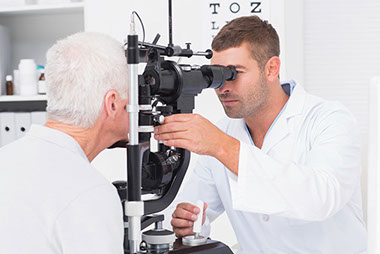
    Image of older male getting eyes checked by a doctor.

    Age-related macular degeneration (AMD) is the number one cause of blindness in older adults. AMD damages central vision, which means things like reading, driving and seeing faces are limited or impossible. There is no cure for AMD, but there are procedures and steps you can take to help save vision. Lower your risk of getting AMD with these tips:

    *Don’t smoke.Studies show that smoking increases the risk of AMD. Smokers are twice as likely to get AMD as nonsmokers. If you do smoke, take steps to quit.

    *Know your family history.People with a close relative who has AMD have a 50 percent chance of getting AMD. Detecting AMD early means you could save your vision.

    *Eat a healthy diet.People who eat omega-3 fatty acids, found in fatty fish, are less likely to get AMD. Also, focus on eating leafy greens such as spinach, kale and leafy lettuce. Eat plenty of whole fruits (not fruit juice).

    *Limit unhealthy fats and cholesterol.Eating a lot of saturated fat and cholesterol raises the risk of getting AMD. Avoid processed (packaged) foods with unhealthy saturated and trans fats.

    *Be active.Exercise may keep your eyes healthy. Exercising at least three times per week can reduce your risk of getting AMD.

    *See your eye doctor regularly.An eye doctor can catch AMD early with an eye exam. Find out how often you should have your eyes checked.

    *Protect your eyes from the sun.Always wear sunglasses that have 100 percent UV protection when you are outside. For additional coverage, wear a wide-brimmed hat.

    *Get regular checkups from your doctor.Keeping cholesterol, blood sugar and blood pressure under control also helps maintain healthy eyes.

    *Your vision is too important to leave to chance.A healthy lifestyle and good medical care can help you avoid AMD or catch it early, before it damages your sight.

    Sources: American Academy of Ophthalmology, American Macular Degeneration Foundation

    © American Institute for Preventive Medicine