Tag: seafood

  • Choosing Low-Mercury Fish

    HEALTHY EATING

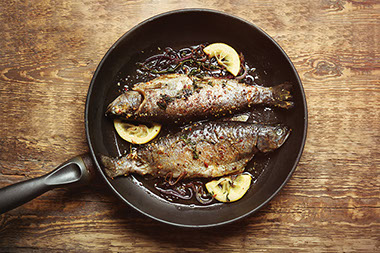
    Fish in frying pan.

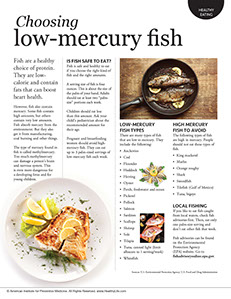
    Fish are a healthy choice of protein. They are low-calorie and contain fats that can boost heart health.

    However, fish also contain mercury. Some fish contain high amounts, but others contain very low amounts. Fish absorb mercury from the environment. But they also get it from manufacturing, coal burning and other things.

    The type of mercury found in fish is called methylmercury. Too much methylmercury can damage a person’s brain and nervous system. This is even more dangerous for a developing fetus and for young children.

    Is fish safe to eat?

    Fish is safe and healthy to eat if you choose the right kind of fish and the right amounts. A serving size of fish is four ounces. This is about the size of the palm of your hand. Adults should eat at least two “palm-size” portions each week.

    Children should eat less than this amount. Ask your child’s pediatrician about the recommended amount for their age.

    Pregnant and breastfeeding women should avoid high-mercury fish. They can eat up to 3 palm-sized servings of low-mercury fish each week.

    Low-mercury fish types

    There are many types of fish that are low in mercury. They include the following:

    *  Anchovies

    *  Cod

    *  Flounder

    *  Haddock

    *  Herring

    *  Oyster

    *  Perch, freshwater and ocean

    *  Pickerel

    *  Pollock

    *  Salmon

    *  Sardines

    *  Scallops

    *  Shrimp

    *  Sole

    *  Tilapia

    *  Tuna, canned light (limit albacore to 1 serving/week)

    *  Whitefish

    High mercury fish to avoid

    The following types of fish are high in mercury. People should not eat these types of fish.

    *  King mackerel

    *  Marlin

    *  Orange roughy

    *  Shark

    *  Swordfish

    *  Tilefish (Gulf of Mexico)

    *  Tuna, bigeye

    Local fishing

    If you like to eat fish caught from local waters, check fish advisories first. Then, eat only one palm-size serving and don’t eat other fish that week.

    Fish advisories can be found on the Environmental Protection Agency (EPA) website. Go tofishadvisoryonline.epa.gov.

    Sources: U.S. Environmental Protection Agency, U.S. Food and Drug Administration
    © American Institute for Preventive Medicine
  • Get The Health Benefits Of Fish

    Nutrition

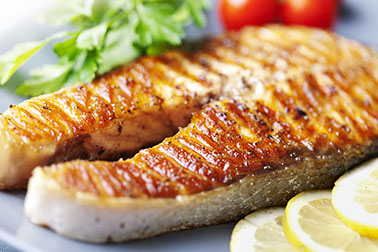
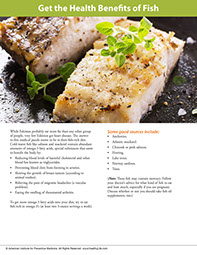
    Image of cooked fish ready to eat on a plate.

    While Eskimos probably eat more fat than any other group of people, very few Eskimos get heart disease. The answer to this medical puzzle seems to lie in their fish-rich diet. Cold-water fish like salmon and mackerel contain abundant amounts of omega-3 fatty acids, special substances that seem to benefit the body by:

    *  Reducing blood levels of harmful cholesterol and other blood fats known as triglycerides.

    *  Preventing blood clots from forming in arteries.

    *  Slowing the growth of breast tumors (according to animal studies).

    *  Relieving the pain of migraine headaches (a vascular problem).

    *  Easing the swelling of rheumatoid arthritis.

    To get more omega-3 fatty acids into your diet, try to eat fish rich in omega-3’s (at least two 3-ounce servings a week). Some good sources include:

    *  Anchovies.

    *  Atlantic mackerel.

    *  Chinook or pink salmon.

    *  Herring.

    *  Lake trout.

    *  Norway sardines.

    *  Tuna.

    {Note: These fish may contain mercury. Follow your doctor’s advice for what kind of fish to eat and how much, especially if you are pregnant. Discuss whether or not you should take fish oil supplements, too.}

    Page from A Year of Health Hints book by the American Institute for Preventive Medicine. www.HealthyLife.com. All rights reserved.

    © American Institute for Preventive Medicine
  • The Grill Is For More Than Meat

    HEALTHY EATING

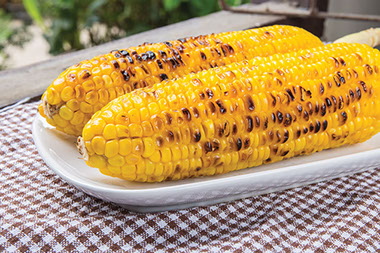
    Image of a grilled corn on the cob.

    If you love getting out the grill for summer meals, don’t stop at burgers and chicken. The grill is an excellent way to prepare some of summer’s most delicious fresh produce. The Produce for Better Health Foundation says you can use the grill to turn many familiar fruits and veggies into healthy and delicious treats. Try these suggestions:

    *  Fresh pineapple chunks can be grilled on skewers for a sweet twist for kabobs and salads.

    *  Cut peaches in half and remove pit. Grill on low, cut side down, for a few minutes.

    *  Corn can be soaked in water, husks on, and grilled. Once they’re cooked, the husks will slide right off, and you’ll have hassle-free corn!

    *  Toss summer squash or zucchini with a little olive oil and fresh herbs before grilling for a nutritious and tasty side dish.

    If you’ve never grilled these items before, don’t be afraid to give them a try. Test them out when you’ve got extra time and no guests coming over. Then you can perfect your method before you serve it to others.

    © American Institute for Preventive Medicine