Healthylife® Weigh
Part 7
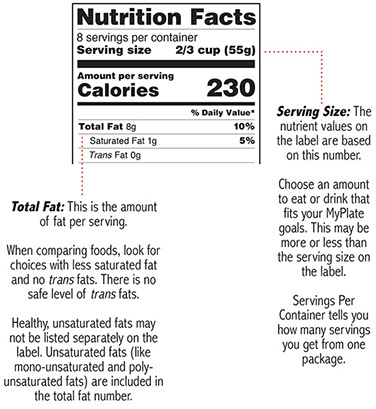
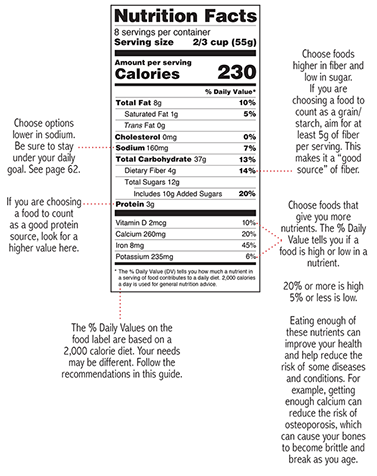
You have learned the clues on a food label that can point you toward a healthy choice or away from an unhealthy one. Here are some other common labels on food packaging and what they mean.
Organic produceis grown without synthetic pesticides, herbicides, fertilizers, ionizing radiation, or genetically modified organisms (GMOs).
Organic meat, poultry, eggs, and dairy productsare produced without antibiotics or growth hormones.
Benefits of Organic Food
* Organic food may be tastier to you.
* Organic growing practices may be more sustainable and produce more nutritious food, though this is not always the case.
* You may avoid potentially harmful chemicals that may be added during conventional growing and processing.
The Environmental Working Group publishes a list each year of the “Dirty 12™” and “Clean 15™.” Many plants, like avocados and corn, are naturally disease resistant and hardy. This means fewer pesticides are used on these plants, even when conventionally grown. These plant foods make up the “Clean 15™.” Other plants are less hardy and conventional growing tends to apply more synthetic pesticides. Prioritize buying the “Dirty 12™” organically. Go towww.ewg.orgto learn more about organic farming and see the year’s list.
Clean all produce before use, whether it is grown organically or conventionally.
Make your own veggie wash:Mix 2 cups cold tap water with ¼ cup white wine vinegar and 2 tbsp. lemon juice. Pour into a spray bottle. Squirt on your produce and let rest for 2 minutes. Rinse in tap water.
Non-GMO Project Verifiedfoods do not contain GMOs. This means that the plant was not derived through genetic engineering. The most common products containing GMOs are corn, soy, sugar, and products made from these plants.
Few studies have been done testing the long-term effects of consuming GMOs. However, GMO farming practices have led to increased use of synthetic pesticides and herbicides. Labeling laws and regulations surrounding GMOs are in development at the time of this guide’s publishing.
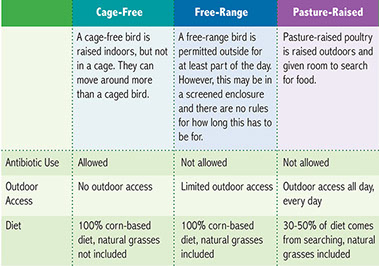
Cage-Free, Free-Range, and Pasture-Raisedlabels refer to the living conditions of poultry. These labels indicate standards for animal welfare.
© American Institute for Preventive Medicine