Tag: shelf-life

  • Keep Produce At Its Peak

    Nutrition

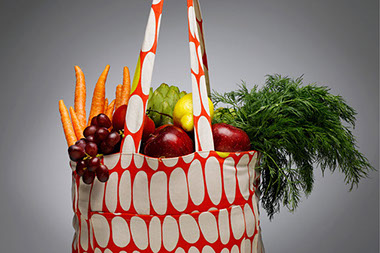
    Image of reusable bag filled with produce.

    Produce-fresh fruits and vegetables-is a gold mine of nutrients, usually with a price to match. To get the most nutrition for the “lettuce” you fork over for fresh produce, follow these suggestions.

    *  Select fruits and vegetables that look crisp or feel firm.

    *  When buying citrus fruits and pineapple, choose fruits that feel heavy for their size.

    *  Don’t buy produce that’s soft or bruised.

    *  Don’t buy more than you can use within a few days. If not used within a few days, store it under refrigeration. Most kinds of produce kept at room temperature ripens-or spoils-more rapidly. That’s fine if you’re eager to eat an avocado or banana, but not so great if you want to be able to use every last orange or lemon in the bag.

    *  Don’t soak produce in water-nutrients will leach out.

    *  Pat produce dry after washing, to prolong freshness.

    *  Don’t cut vitamin C rich fruits or vegetables, like strawberries and peppers, until just prior to eating. Exposure to the air destroys vitamin C.
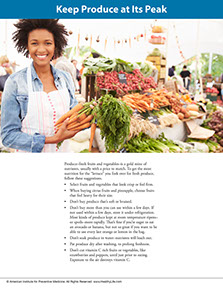
    Page from A Year of Health Hints book by the American Institute for Preventive Medicine. www.HealthyLife.com. All rights reserved.

    © American Institute for Preventive Medicine
  • Choose Fresh, Frozen, Canned, Or Dried

    Healthylife® Weigh

    Part 2

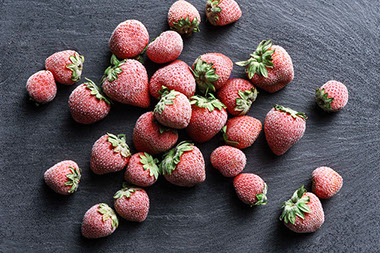
    Frozen strawberries.

    All forms of fruits and vegetables can be healthy options. You may like the taste of one form over another. If you have only tried a vegetable in one form (for example, canned green beans), try it fresh or frozen. You may be surprised how different it tastes. Frozen and canned produce is picked at the peak of ripeness. This means the nutrients were able to fully develop before the plant was picked. This makes these choices very healthy, especially outside of the growing/harvest season.

    Fresh

    *  Choose a variety of fresh produce. Include ready-to-eat snacks like apples and baby carrots.

    *  Buy produce that’s in season to help the environment and provide natural variety in your diet.

    *  Grow your own, when possible.

    Frozen

    *  Choose frozen veggies without added sauces or salt. Add your own seasonings that have little or no salt or sodium.

    *  Choose fruits without added sugar. Fruit has plenty of natural sugar.

    Canned

    *  Choose low-sodium added varieties.

    *  Wipe off the top of the can before opening it.

    *  Rinse the vegetables in a colander to reduce the sodium content further.

    *  With canned fruit, look for options packed in water or 100% fruit juice. Avoid canned fruits that are packed in syrup.

    Dried

    *  Avoid choices with added sugar.

    *  Drink a glass of water to replace the water that has been removed.

    © American Institute for Preventive Medicine