Tag: shoveling

  • A Safer Way To Shovel Snow

    Personal Safety

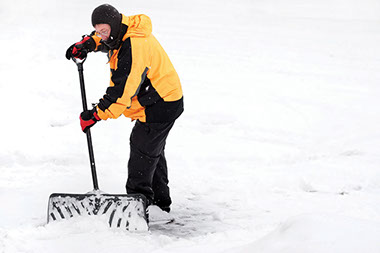
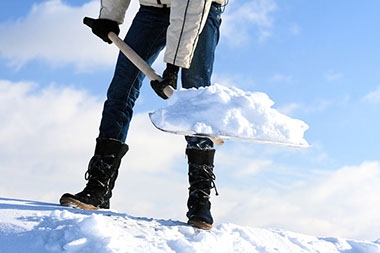
    Image of a person shoveling snow.

    Many people know that shoveling snow can put many at risk for back injury or a heart attack, but think, “It won’t happen to me” and shovel anyway.

    Shoveling snow strains the back, because you bend at the waist to lift a load. And shoveling can trigger a heart attack in three ways. The increase in activity requires your heart to work harder. Also, without realizing it, you may hold your breath as you lift, which can trigger a sudden rise in heart rate and blood pressure. And cold weather causes blood vessels to constrict, so the heart has to pump more blood.

    If you have a history of back problems or heart problems, don’t shovel snow, period. Have someone else do it. If you’re over age 40 and overweight, if you have high blood pressure, if you smoke, or if you lead a sedentary life, check with your doctor before lifting a shovel.

    The following hints can help make a tough job easier, even if you’re not at special risk for back or heart problems.

    *  Dress properly. Protect your head and hands from the cold, and don’t bundle up so much that you overheat or can’t move freely.

    *  To prevent back strain, keep your knees slightly bent and both feet planted firmly on the ground or pavement.

    *  Consider removing snow with a snowblower or plow instead of a shovel-it’s far less stressful and gets the job done quickly.
    A Year of Health Hints book by the American Institute for Preventive Medicine. www.HealthyLife.com. All rights reserved.

    © American Institute for Preventive Medicine
  • Cold Hearts (Why Shoveling Snow Is Extra Dangerous)

    WELL-BEING

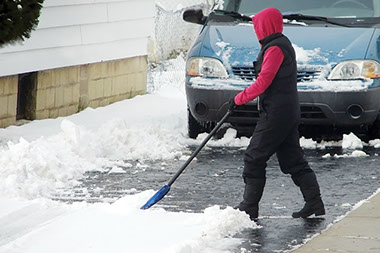
    Image of person shoveling snow from the driveway.

    While you may be used to battling frigid temperatures and the inevitable snowstorms that arrive every winter, are you aware of the dangers these pose to your heart?

    “When the temperature outside drops, our blood vessels narrow to prevent our bodies from losing heat. This is a natural response that can also put people with heart conditions and those involved in strenuous exercise at greater risk of having a heart attack,” says Dr. Holly Andersen of the Perelman Heart Institute at NewYork-Presbyterian Hospital/Weill Cornell Medical Center.

    Shoveling snow is one of the most strenuous and dangerous winter exercise activities. It can raise blood pressure, and coupled with the effects of colder temperatures, shoveling can increase heart attack risk drastically. Take these precautions:

    *Warm up.Warm up with stretching and light activity before shoveling, exercising or beginning more strenuous physical activities.

    *Bundle up.When going out to shovel, always wear a scarf over your mouth and nose to warm the air before you breathe in, and dress in layers. Layering clothes underneath a windproof and waterproof outer shell helps maintain body heat.

    *Push the shovel.It is less strenuous to push the snow rather than lifting it, and this reduces the risk of overexerting yourself.

    *Take breaks.You should take frequent breaks while shoveling to give your muscles, especially your heart muscle, a chance to relax. You may also consider sharing the work with a friend to make the workload lighter and ensure that you are not alone in the event of an emergency.

    *Consult a doctor.If you are over the age of 50, overweight, out of shape or have suffered a heart attack, you should consult a doctor before shoveling snow or starting any exercise routine.

    © American Institute for Preventive Medicine

  • The Scoop On Shoveling

    WELL-BEING

    Image of man shoveling snow.

    Push the snow, dress in layers, and warm up first are sensible rules for shoveling snow. Here are some guidelines you may not know:

    *  Avoid caffeine or nicotine before shoveling, especially if you have a history of or are at high risk for a heart attack. These stimulants may increase your heart rate and cause your blood vessels to constrict, which places extra stress on the heart. If you have a heart condition, respiratory issues, or back problems, check with your doctor before doing any shoveling.

    *  Drink plenty of water to avoid dehydration.

    *  Try to shovel fresh snow, before it becomes packed or refrozen. It may be helpful to shovel a few times during a snowfall rather than waiting until the storm ends when the snow is deeper and heavier.

    *  Switch hands periodically and alternate the side to which you are throwing snow to more evenly distribute the work load and repetitive muscle use.

    *  Use a sturdy snow shovel that has open ends to allow you to easily toss the snow off to the side.

    *  Pace yourself. Be sure to take frequent breaks to rest and avoid overexertion. Exhaustion can make you more susceptible to injury, hypothermia, and frostbite.

    Most important:

    If you begin to experience any pain in your chest, arm or neck, shortness of breath or profuse sweating, stop shoveling immediately and seek emergency medical attention.

    [Source: Kessler Institute]

    © American Institute for Preventive Medicine