Tag: Skin Conditions

  • Decoding Sunscreen Labels

    MEDICAL NEWS

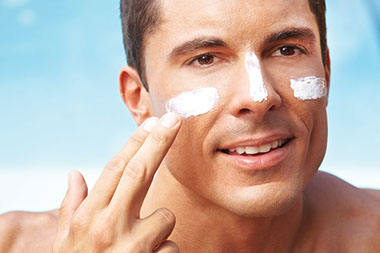
    Image of a man placing sunscreen on his face.

    You may already know you should wear sunscreen to decrease your risk of skin cancer and sun damage. In fact, the Skin Cancer Foundation says that wearing sunscreen regularly can decrease your chance of getting melanoma (the deadliest skin cancer) by 50 percent. Wearing sunscreen regularly will also help you avoid signs of aging like wrinkles and dark spots.

    But the sunscreen aisle at the store leaves many people feeling overwhelmed. There are so many choices, different labels, numbers and ingredients. How do you choose one?

    The best sunscreen is one you like, because you should use it every day, says the American Academy of Dermatology (AAD). Here’s how to narrow it down and choose the sunscreen that’s right for you:

    BROAD SPECTRUM

    Always look for the words “broad spectrum.” This means it protects against both kinds of UV rays, and it’s important for proper protection.

    SPF

    Choose an SPF of at least 30.

    SPF NUMBERS

    Don’t let high numbers fool you. The Skin Cancer Foundation says higher SPF sunscreens do protect more, but not by much. No matter what the SPF number says, you still need to reapply at least every two hours, and always after toweling off, sweating or swimming.

    WATER RESISTANT

    If you’re going to be sweating or swimming, choose one that says “water resistant.” There is no such thing as “waterproof” sunscreen. The bottle will say how long the sunscreen will remain water resistant. It may say “40 minutes” or “80 minutes.” That’s how often you need to reapply it when you’ve been in the water.

    LIPS

    Choose a sunscreen for your lips too. A lip balm with broad spectrum SPF 30 is also important. Skin cancer can – and does – affect the lips.

    GELS vs CREAMS

    Sunscreen gels are great for oily skin, while creams work well for dry skin.

    SENSITIVE SKIN

    If you have sensitive skin, consider a physical-only sunscreen. This means the active ingredients on the bottle will only include titanium dioxide or zinc oxide, or both. While chemical sunscreens work well, they can irritate some sensitive-skin types.

    PRICE TAG

    Expensive doesn’t always mean better. A higher price tag may be due to the brand name or certain extra ingredients that make it feel nicer or smell good. It doesn’t mean it will protect you more than a cheaper bottle.

    NO COMBINATION

    Don’t choose a combination sunscreen and insect repellant. The AAD says sunscreen should be reapplied liberally every two hours. But insect repellant should only be applied lightly every several hours as needed.

    BABIES

    Most sunscreens are only approved for babies over 6 months of age. Look for a physical-only sunscreen or one formulated for babies. Babies younger than 6 months should be kept in the shade and covered with lightweight protective clothing and hats, says the American Academy of Pediatrics.

    © American Institute for Preventive Medicine
  • What Your Fingernails Reveal About Your Health

    Skin Conditions

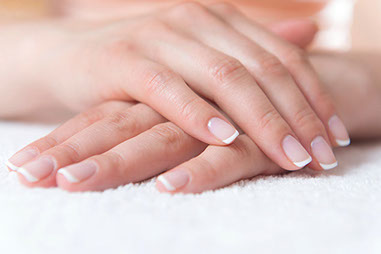
    Image of fingernails.

    You may see your hands hundreds of times a day, but do you ever examine them? Probably not. Yet taking a closer look – especially at our fingernails – may not be a bad idea. They’re a good indicator of overall health.

    Spoon-shaped nails, for example, may simply be an inherited trait – or they can be a clue to a thyroid deficiency or iron deficiency anemia. Nails that have no “moon” or white crescent at the base and are thin and brittle might indicate an underactive thyroid. Still other changes – like brittleness or pitting – may be signs of other nutritional deficiencies or injury to the nail bed. While no one can diagnose a health problem on the basis of nail irregularities only, the table on next page may tip you off to possible health problems. (Consult your doctor if you see any significant changes in your nails.)

    Barring any medical explanation for nail problems, the following tips can help your nails look healthier and more attractive.

    *  Eat a well-balanced diet that includes plenty of fresh fruits and vegetables, whole grains, lean meats, and low-fat dairy products.

    *  Wear gloves when you do household chores or hobbies to avoid contact with detergents or harsh chemicals that can dry or damage nails.

    *  Clean nails with a nail brush, especially if you garden or work with messy materials. Clip cuticles and rough skin to prevent tears. File nails in one direction only. Use an emery board, not a metal nail file.

    *  Don’t use your nails as tools, such as to remove staples. If you polish your nails, use polish remover sparingly.

    Nail Symptoms and What They Could Mean

    Brittleness: Frequent immersion in hot water; generally poor health; impaired circulation; possible deficiency of vitamins A, C, B6, or niacin, deficiency of calcium or iron; thyroid deficiency

    Clubbing: Chronic lung disease or lung cancer; congenital heart disease; congenital or hereditary defect

    Pitting (may be normal): Eczema; psoriasis; trauma

    Ridges: Emphysema; heredity; kidney failure; old age; rheumatoid arthritis, traumas

    Separation (when nail plate lifts off nail bed): Allergy to nail lacquer and hardeners; fungal infection; iron deficiency anemia; pregnancy; psoriasis; trauma

    Splitting at top edge: Immersion in water for long periods, nail polish removers

    Spoon shaped: Thyroid deficiency; iron deficiency anemia

    A Year of Health Hints book by the American Institute for Preventive Medicine. www.HealthyLife.com. All rights reserved.

    © American Institute for Preventive Medicine
  • Face Facts About Acne

    SELF-CARE CORNER

    Image of young women washing her face.

    Acne. It’s embarrassing. It’s annoying. And it’s the most common skin condition in the U.S. Fortunately, acne can often be reduced with simple changes to your skin care routine, say experts from the American Academy of Dermatology.

    For clearer skin, follow these tips:

    *  Wash twice a day and after sweating. Perspiration, especially when wearing a hat or helmet, can make acne worse, so wash your skin as soon as possible after sweating.

    *  Use your fingertips to apply a gentle, non-abrasive cleanser. Using a washcloth, mesh sponge, or anything else can irritate the skin. Do not use skin care products that irritate the skin, which may include astringents, toners, and exfoliants. Dry, red skin makes acne appear worse.

    *  Rinse with lukewarm water.

    *  Shampoo regularly. If you have oily hair, shampoo daily.

    *  Let your skin heal naturally. If you pick, pop or squeeze your acne, your skin will take longer to clear and you increase your risk of getting acne scars.

    *  Keep your hands off your face. Touching your skin throughout the day can cause flare-ups.

    *  Stay out of the sun and tanning beds. Tanning damages your skin. In addition, some acne medications make the skin very sensitive to ultraviolet (UV) light, which you get from both the sun and indoor tanning devices.

    *  See a skin specialist for the most current treatments.

    © American Institute for Preventive Medicine

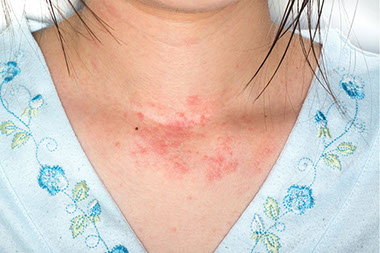
  • Hair Loss

    Skin Conditions

    Most men have some degree of baldness by age 60. After age 60, 50% of women do.

    Signs & Symptoms

    *  Thinning of hair on the temples and crown.

    *  Receding hair line.

    *  Bald spot on back of head.

    *  Areas of patchy hair loss.

    Causes

    *  Normal aging. Family history of hair loss. Hormonal changes, such as with menopause.

    *  A side effect of some medicines, chemotherapy, and radiation therapy. Crash dieting.

    *  A prolonged or serious illness. Major surgery. Thyroid disease.

    *  Areata. This causes areas of patchy hair loss. It improves quickly when treated, but can go away within 18 months without treatment.

    Treatment

    *  Medications. These include over-the- counter Rogaine and prescribed ones.

    *  Hair transplant with surgery.

    Questions to Ask

    Self-Care / Prevention

    *  Try the over-the-counter medication, Rogaine.

    *  Avoid (or don’t use often) hair care practices of bleaching, braiding, cornrowing, dyeing, perming, etc. Avoid hot curling irons and/or hot rollers. Use gentle hair care products.

    *  Air dry or towel dry your hair. If you use a hairdryer, set it on low.

    *  Keep your hair cut short. It will look fuller.

    *  Don’t be taken in by claims for products that promise to cure baldness.

    Resources

    American Academy of Dermatology

    866.503.SKIN (503.7546)

    www.aad.org

    Healthier at Home book by the American Institute for Preventive Medicine. www.HealthyLife.com. All rights reserved.

    © American Institute for Preventive Medicine

  • Foot Health Tips For Summer

    WELL-BEING

    Image of bare feet on grass.

    When warm weather arrives, many people break out the flip-flops, sandals or forego shoes altogether. But the American College of Foot and Ankle Surgeons says this can be harmful to your feet if you’re not careful.

    Many flip-flops and summer shoes contain little to no support or protection. This increases your chances for foot injuries. They can also aggravate conditions such as plantar fasciitis, bunions, and other painful foot problems.

    You can still enjoy summer and keep your hard-working feet healthy by following these tips:

    *  Don’t go barefoot in public bathrooms. If you have a cut on your foot, it can get infected. You could also get a foot fungus or plantar wart. Use flip-flops in these cases to protect your feet.

    *  If you have diabetes or neuropathy, never go barefoot – even indoors.

    *  Don’t rely on flip-flops for daily wear. Use them in place of going barefoot around the pool, or in public bathrooms. Instead, choose sandals or lightweight shoes that have good arch support and are designed for comfort.

    *  Use sunscreen on the tops and bottoms of your feet any time they are exposed.

    *  Wear closed-toed shoes to mow the lawn or do yard work.

    *  If sandals are rubbing or causing blisters, don’t wear them. Don’t pop blisters. This leaves the foot open to an infection.

    *  Wear proper walking shoes and socks to the airport when traveling for summer vacation. Never try out new shoes on vacation. Pack shoes that you know are comfortable and won’t rub or cause blisters or pain.

    © American Institute for Preventive Medicine
  • Hives

    Skin Conditions

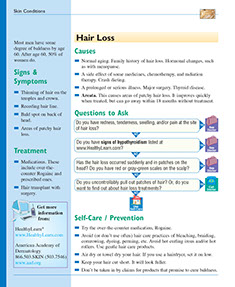
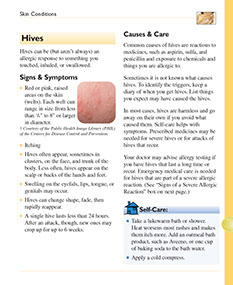
    Image of a hive rash below neck.

    Hives can be (but aren’t always) an allergic response to something you touched, inhaled, or swallowed.

    Signs & Symptoms

    *  Red or pink, raised areas on the skin (welts). Each welt can range in size from less than 1/8″ to 8″ or larger in diameter.

    *  Itching

    *  Hives often appear, sometimes in clusters, on the face, and trunk of the body. Less often, hives appear on the scalp or backs of the hands and feet.

    *  Swelling on the eyelids, lips, tongue, or genitals may occur.

    *  Hives can change shape, fade, then rapidly reappear.

    *  A single hive lasts less than 24 hours. After an attack, though, new ones may crop up for up to 6 weeks.

    Causes & Care

    Common causes of hives are reactions to medicines, such as aspirin, sulfa, and penicillin and exposure to chemicals and things you are allergic to.

    Sometimes it is not known what causes hives. To identify the triggers, keep a diary of when you get hives. List things you expect may have caused the hives.

    In most cases, hives are harmless and go away on their own if you avoid what caused them. Self-care helps with symptoms. Prescribed medicines may be needed for severe hives or for attacks of hives that recur.

    Your doctor may advise allergy testing if you have hives that last a long time or recur. Emergency medical care is needed for hives that are part of a severe allergic reaction.

    Self-Care

    *  Take a lukewarm bath or shower. Heat worsens most rashes and makes them itch more. Add an oatmeal bath product, such as Aveeno, or one cup of baking soda to the bath water.

    *  Apply a cold compress.

    *  Wear loose-fitting clothes.

    *  Relax as much as you can. Relaxation therapy may help ease the itching and discomfort of hives.

    *  Ask your doctor whether or not you should take an antihistamine and to recommend one. Antihistamines can help relieve itching and suppress hives. Take as directed by your doctor or by directions on the label.

    *  Use calamine lotion on itchy areas.

    *  Don’t take aspirin, ibuprofen, ketoprofen, or naproxen sodium. These may make hives worse.

    When to Seek Medical Care

    Contact Doctor When:

    *  You have constant and severe itching, and/or a fever with hives.

    *  Hives last for more than 6 weeks.

    *  Hives started after taking medicine.

    Get Immediate Care When:

    Hives are present with signs of a severe allergic reaction (anaphylactic shock).

    Signs of a Severe Allergic Reaction

    *  A hard time breathing or swallowing

    *  Severe swelling all over, or of the face, lips, tongue, and/or throat n Obstructed airway

    *  Wheezing

    *  Dizziness, weakness

    *  “Signs & Symptoms” of shock

    Health at Home Lifetime book by the American Institute for Preventive Medicine. www.HealthyLife.com. All rights reserved.

    © American Institute for Preventive Medicine

  • Nail The Infection

    SELF-CARE CORNER

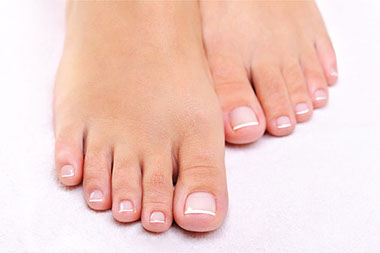
    Image of a women's feet.

    Despite the wealth of over-the-counter products available that claim to treat fungal nail infections (in the toenails and sometimes in the fingernails), the only way to cure an infection is to see a skin doctor (a dermatologist).

    Over-the-counter topical medications don’t penetrate the nail and therefore aren’t as effective as oral prescriptions. A dermatologist can prescribe the proper drugs to get rid of the fungi that are the problem in yellowing and misshapen nails.

    One of the best ways to deal with fungal nail infections is to prevent them from happening. The fungi love warm, damp environments around swimming pools and gym locker rooms-and inside your warm, sweaty socks.

    The best way to nail a nail infection is to keep your feet clean and dry and wear sandals in public shower areas.

    © American Institute for Preventive Medicine

  • Ten Ways To Get Rid Of Winter Itch

    Skin Conditions

    Image of lotion on hand.

    Oh, that winter itch! Your skin feels as rough and dry as sandpaper. If your skin is chapped, cracked, and inflamed during the coldest months of the year, take heart. Relief is a simple matter of water conservation.

    The basic problem is lack of moisture. Anything that steals moisture from the skin will result in dryness and chapping. The drier the air, the more rapidly moisture evaporates. (In winter, heated indoor air tends to be dry.) Also, soap and excessive bathing or showering strips the skin of its natural oils making the problem worse. Add it up and the dehydrated cells begin to shrink and separate like caked mud in a dry lake bed and a network of painful cracks appear on your skin.

    Dry skin affects everyone, but older people have it worse because oil production gradually declines with age.

    Since you can’t change the weather or your age, try these suggestions if you want to prevent winter itch.

    *  Drink 8 or more glasses of water a day.

    *  Don’t scratch or rub your skin. Do apply moisturizer to your skin daily. Use an oil-based lotion.

    *  Don’t overexpose your skin to water, such as with washing dishes. Wear rubber gloves when you wash dishes.

    *  Right after washing your hands, put hand cream on to seal in moisture.

    *  Use petroleum jelly on very dry skin areas.

    *  Take a shower instead of a bath. Use warm (not hot) water. Pat your skin dry, but not all the way. Apply a moisturizing cream while your skin is damp. Use products with lanolin. If you prefer to bathe, bathe for only 15 to 20 minutes in lukewarm water. Pat yourself dry. Do not rub. Use a bath oil on your skin after bathing. Try sponge baths. Use a washcloth instead of soaping the skin directly. Use a mild liquid cleanser like Cetaphil brand, or use a fatted soap. Avoid deodorant, medicated, or alkaline soaps.

    *  Don’t use moisturizers with fragrances, preservatives, or alcohol.

    *  Use a night cream for the face. Stay out of the strong sun. Do not use tanning salons. Use a sunblock with a sun protection factor (SPF) of at least 15.

    *  Lower the setting on your heating thermostat so you’re comfortable, not toasty.

    *  Use a humidifier to add moisture to the air in a room or have a humidifier connected to your furnace. Also, don’t sit too close to fireplace heat – it’s drying.

    A Year of Health Hints book by the American Institute for Preventive Medicine. www.HealthyLife.com. All rights reserved.

    © American Institute for Preventive Medicine
  • Ingrown Toenails

    Skin Conditions

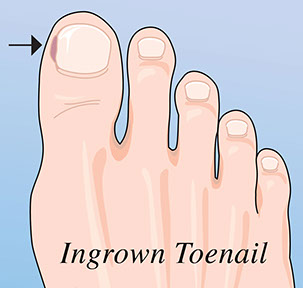
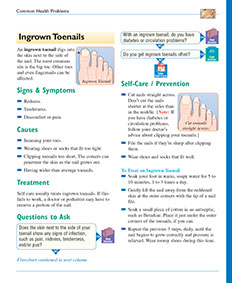
    An ingrown toenail digs into the skin next to the side of the nail. The most common site is the big toe. Other toes and even fingernails can be affected.

    Signs & Symptoms

    *  Redness.

    *  Tenderness.

    *  Discomfort or pain.

    Illustration of an ingrown toenail.

    Causes

    *  Jamming your toes.

    *  Wearing shoes or socks that fit too tight.

    *  Clipping toenails too short. The corners can penetrate the skin as the nail grows out.

    *  Having wider-than-average toenails.

    Treatment

    Self-care usually treats ingrown toenails. If this fails to work, a doctor or podiatrist may have to remove a portion of the nail.

    Questions to Ask

    Self-Care / Prevention

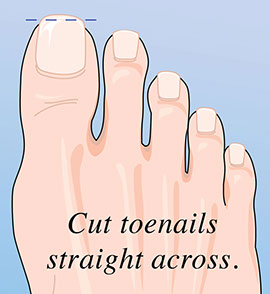
    *  Cut nails straight across. Don’t cut the nails shorter at the sides than in the middle. {Note: If you have diabetes or circulation problems, follow your doctor’s advice about clipping your toenails.}

    *  File the nails if they’re sharp after clipping them.

    *  Wear shoes and socks that fit well.

    To Treat an Ingrown Toenail

    *  Soak your foot in warm, soapy water for 5 to 10 minutes, 1 to 3 times a day.

    *  Gently lift the nail away from the reddened skin at the outer corners with the tip of a nail file.

    *  Soak a small piece of cotton in an antiseptic, such as Betadine. Place it just under the outer corners of the toenails, if you can.

    *  Repeat the previous 3 steps, daily, until the nail begins to grow correctly and pressure is relieved. Wear roomy shoes during this time.

    Illustration on cutting toenails straight across to prevent ingrown toenails.

    Resources

    American Academy of Dermatology

    866.503.SKIN (503.7546)

    www.aad.org

    Healthier at Home book by the American Institute for Preventive Medicine. www.HealthyLife.com. All rights reserved.

    © American Institute for Preventive Medicine
  • Got Breakouts? Proven Tips For Clear Skin

    SELF-CARE CORNER

    Image of man looking at face in mirror.

    Acne can be an emotionally challenging condition for people of almost any age. The American Academy of Dermatology says acne affects up to 50 million people each year.

    Fortunately, there are a variety of products that can help you manage acne. If you or your child is dealing with acne, check out some of the most popular options to treat this condition.

    Salicylic acid

    What it does:Reduces redness and unclogs pores.

    Side effects:Minor redness, peeling or stinging.

    How to get it:Drugstore acne cleansers, toners, pads and creams. Dermatologists offer higher strength products and peels.

    Benzoyl peroxide

    What it does:Kills bacteria in the pores that causes acne.

    Side effects:Dryness, redness, peeling or stinging. May bleach hair or clothing.

    How to get it:Drugstore acne washes, creams and gels. Dermatologists offer products that combine benzoyl peroxide with other ingredients, such as an antibiotic.

    Retinoid

    What it does:Decreases the buildup of cells within pores.

    Side effects:Dryness, redness, peeling and burning that can be severe. Should not be used by pregnant or breastfeeding women or women who may become pregnant.

    How to get it:Only available from a dermatologist. Usually used for moderate to severe acne only.

    Antibiotics

    What it does:Kills acne bacteria on the skin.

    Side effects:Dryness and irritation. Some antibiotics can cause antibiotic resistance, especially if not used as directed by a doctor. This means the bacteria is no longer affected by the antibiotic and the medicine will no longer work correctly.

    How to get it:Only available from a dermatologist. Some antibiotics are applied to the skin. Others are taken as a pill.

    Getting breakouts under control can improve self-confidence and emotional well-being. If drugstore products don’t work for you, ask your doctor about stronger options. If your acne treatment is too drying, try a facial moisturizer labeled “non-comedogenic,” which means it won’t clog pores.

    © American Institute for Preventive Medicine