Tag: Skin Conditions

  • Yes, More Sunscreen!

    SELF-CARE CORNER

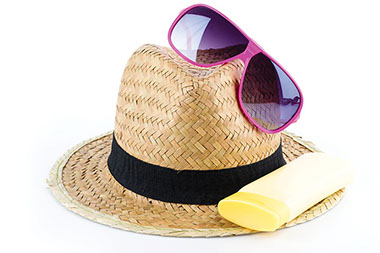
    Image of sun hat, sunglasses and sunscreen.

    Wear it. Wear plenty of it. And this summer is the first season for the new FDA regulations. Here’s what you need to know about labels and ingredients from Dr. Alan Friedman of Montefiore Medical Center.

    Water-resistant

    Sunscreens claiming to be waterproof and sweat proof are no longer on the shelves. In their place are 40- and 80-minute water-resistant sunscreens. They offer sun protection for a limited time when exposed to water. Choose the 80-minute water-resistant product and reapply after swimming or toweling off.

    Sun Protection Factor (SPF)

    Some people think that SPF measures the length of time users can be in the sun before getting sunburned. Not so. SPF defines the amount of ultraviolet B (UVB) radiation needed to cause sunburn, even while sunscreen is on. Sunscreens with SPF 2 through SPF 14 can prevent sunburn, but they provide no protection against skin cancer or premature skin aging. Such sunscreens must now carry a warning label stating, “Spending time in the sun increases your risk of skin cancer and early skin aging. This product has been shown only to help prevent sunburn, not skin cancer or early skin aging.”

    The FDA has yet to rule on whether products with SPF values higher than 50 provide extra protection compared to ones with SPF values of 50.

    For a sunscreen to reach its listed SPF, a full ounce (think of a shot glass full) needs to be applied. Recent research shows that people only apply 20-25% of this amount, unknowingly lowering the protection factor of their sunscreens. Best choice: SPF 30 or higher and plenty of it.

    Broad spectrum

    Until the final FDA requirements took effect, sunscreens were only evaluated and regulated for their ability to protect against UVB radiation, as measured by SPF. Now, sunscreens also are evaluated for their UVA protection. Sunscreens labeled as “broad spectrum” protect against both UVA and UVB radiation.

    “UVA penetrates deeper into the skin where it can accelerate skin aging and cause skin cancer. I call UVA the silent killer, because unlike UVB, it does not cause sunburns so it is hard to tell if you are getting harmful exposure,” said Dr. Friedman. “Broad spectrum sunscreen use should not be limited to beach outings or summer months. Recent research showed that the skin aging process is significantly slower among people who apply broad spectrum sunscreen daily, year round.”

    Read the ingredients

    Sunscreen companies use different mixtures of ingredients. Choose products that have a variety of sun-blocking agents. Dr. Friedman recommends selecting a sunscreen that contains several organic sun-blocking agents such as ecamsule, cinoxate, octyl salicylate, and benzophenones (oxybenzone). The different chemicals work in synergy to create greater sun protection than any one ingredient alone. Also, combining multiple agents allows companies to use less of each, which decreases the risk of any associated irritation.

    The best products also contain mineral, physical sun-blocking agents like zinc oxide and titanium oxide. In the past, these ingredients appeared chalky and left skin greasy, but newer products deliver “micronized” thinner, sheerer formulations. Products that contain talc and bentone gel prevent these ingredients from clumping, and improve cosmetic appearance.

    Look for pH stabilizers to hydrate and fortify the skin, like dimethicone, cyclomethicone, and sodium phosphate. When the skin is hydrated, its can heal and repair itself much more quickly.

    © American Institute for Preventive Medicine
  • Cold Hands & Feet

    Skin Conditions

    Signs & Symptoms

    *  Fingers or toes turn pale white or blue, then red, in response to cold temperatures.

    *  Pain when the fingers or toes turn white.

    *  Tingling or numbness in the hands or feet.

    Causes

    Often the cause is unknown and not serious. Cold hands and feet can be a symptom of the conditions that follow.

    *  Poor circulation. This is most often due to diseased arteries.

    *  Raynaud’s disease. This is a disorder that affects the flow of blood to the fingers and sometimes to the toes.

    *  Any underlying disease that affects the blood flow in the tiny blood vessels of the skin. Women who smoke may be more prone to this.

    *  Frostbite.

    *  Stress.

    *  A side effect of taking certain medicines

    *  Cervical rib syndrome. This is a compression of the nerves and blood vessels in the neck that affects the shoulders, arms, and hands.

    Treatment

    Emergency care is needed for frostbite. If a medical condition causes cold hands and/or feet, treatment for the condition is needed.

    Questions to Ask

    Self-Care / Prevention

    *  Don’t smoke. If you smoke, quit.

    *  Avoid caffeine.

    *  Don’t handle cold objects with bare hands. Use ice tongs to pick up ice cubes, etc.

    *  Set your indoor thermostat at 65ºF or higher.

    *  Wear mittens and wool socks to keep hands and feet warm.

    *  Don’t wear tight-fitting footwear.

    *  Wiggle your toes. It may help keep them warm by increasing blood flow.

    *  Stretch your fingers straight out. Swing your arms in large circles like a baseball pitcher warming up for a game. This may increase blood flow to the fingers. Skip this tip if you have bursitis or back problems.

    *  Meditate. Learn and practice biofeedback.

    Healthier at Home book by the American Institute for Preventive Medicine. www.HealthyLife.com. All rights reserved.

    © American Institute for Preventive Medicine
  • Splinters

    Skin Conditions

    Signs & Symptoms

    *  An opening near the skin where the splinter entered.

    *  Pain may not be felt and the splinter may or may not be visible.

    *  Bleeding, swelling, and/or pain at the wound area, especially for splinters stuck deep under the skin.

    Causes

    Splinters are pieces of wood, glass, metal, or other matter that lodge under the skin.

    Treatment

    Remove splinters so they don’t cause an infection. Self-care takes care of most splinters. A doctor may need to remove a splinter if it is not visible, if it is deep in the skin, or if it is in a person with diabetes.

    Questions to Ask

    Self-Care / Prevention

    To Prevent Getting Splinters

    *  Wear shoes out-of-doors at all times and whenever you walk on unfinished floors.

    *  Sand, varnish, and/or paint handrails to keep from getting splinters in the hands.

    *  Clean up all broken glass and metal shavings around the house. Be careful when you handle broken glass.

    *  Wear hard-soled shoes when glass has been broken.

    *  Wear work gloves when you handle plants with thorns, sharp tips, or spines.

    To Remove a Splinter

    *  Wash your hands, but don’t let the area around a wooden splinter get wet. A wooden splinter that gets wet will swell. This will make it harder to remove.

    *  Sterilize tweezers. Place the tips in a flame. Wipe off the blackness on the tips with sterile gauze if you use a lit match for the flame.

    *  Use the tweezers to gently pull the part of the splinter that sticks out through the skin. It should slide right out. If necessary, use a magnifying glass to help you see close up.

    *  If the splinter is buried under the skin, sterilize a needle and gently slit the skin over one end of the splinter. Then, use the needle to lift that end and pull the splinter out with the tweezers.

    – Check to see that all of the splinter has been removed. If not, repeat the above step.

    – If you still can’t get the splinter out, soak the skin around the splinter in a solution made with 1 tablespoon of baking soda mixed in 1 cup of warm water. Do this 2 times a day. After a few days, the splinter may work its way out.

    – Once the splinter is removed, clean the wound by washing it with soap and water. Blot it dry with a clean cloth or sterile gauze pad. Apply a sterile bandage.

    – To remove a large number of close-to-the- surface splinters, such as cactus spines, apply a layer of hair removing wax or white glue, such as Elmer’s, to the skin. Let it dry for 5 minutes. Gently peel it off by lifting the edges of the dried wax, gel, or glue with tweezers. The splinter(s) should come up with it.

    – Contact your doctor if you still have the splinter(s) after using self-care measures. Also, see that your tetanus immunizations are up-to-date.

    Healthier at Home book by the American Institute for Preventive Medicine. www.HealthyLife.com. All rights reserved.

    © American Institute for Preventive Medicine

  • 4 “S”S For Smooth Skin

    WELL-BEING

    Young female with a jar of lotion.

    Winter is hard on your skin. Dry indoor air, frequent washing and cold outside air can make skin itchy and painful. Your skin is the largest organ in your body and an important barrier. Protect it!

    1.  Stay safe with germs: Don’t skip handwashing because your hands are dry. You could end up sick or may spread germs to others. Instead, keep hand cream in your purse, pocket or desk. Apply the cream after you wash your hands.

    2.  Short showers: A long, hot shower strips skin of its protective oils. Keep showers and baths short and not too hot.

    3.  Slather moisturizer: After bathing, apply a rich cream or ointment before skin is fully dry. Petroleum jelly is a low-cost and effective choice.

    4.  Skip harsh soaps: Many products contain drying detergents. These can leave skin feeling irritated and dry. Look for products that don’t contain alcohol or fragrances.

    © American Institute for Preventive Medicine
  • Corns & Calluses

    Skin Conditions

    Corns and calluses are extra cells made in a skin area that gets repeated rubbing or squeezing.

    Signs & Symptoms

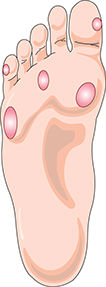
    *  Corns are areas of dead skin on the tops or sides of the joints or on the skin between the toes.

    *  Calluses are patches of dead skin usually found on the balls or heels of the feet, on the hands, and on the knees. Calluses are thick and feel hard to the touch.

    Illustration of corns and calluses on the bottom of a foot.

    Common sites on the bottom of the foot for corns and calluses.

    Causes

    Footwear that fits poorly causes corns and calluses. So can activities that cause friction on the hands, knees, and feet.

    Treatment

    Self-care treats most cases. If not, a family doctor or foot doctor (podiatrist) can scrape the hardened tissue and peel away the corn with stronger solutions. Sometimes warts lie beneath corns and need to be treated, too.

    Questions to Ask

    Self-Care / Prevention

    {Note: Persons with diabetes should see a doctor for treatment for foot problems.}

    For Corns

    *  Don’t pick at corns. Don’t use toenail scissors, clippers, or any sharp tool to cut off corns.

    *  Don’t wear shoes that fit poorly or that squeeze your toes together.

    *  Soak your feet in warm water to soften the corn.

    *  Cover the corn with a protective, nonmedicated pad or bandage which you can buy at drug stores.

    *  If the outer layers of a corn have peeled away, apply a nonprescription liquid of 5 to 10% salicylic acid. Gently rub the corn off with cotton gauze.

    *  Ask a shoe repair person to sew a metatarsal bar onto your shoe to use when a corn is healing.

    For Calluses

    *  Don’t try to cut a callus off.

    *  Soak your feet in warm water to soften the callus. Pat it dry.

    *  Rub the callus gently with a pumice stone.

    *  Cover calluses with protective pads. You can get these at drug stores.

    *  Don’t wear poorly fitting shoes or other sources of friction that may lead to calluses.

    *  Wear gloves for a hobby or work that puts pressure on your hands.

    *  Wear knee pads for activities that put pressure on your knees.

    Healthier at Home book by the American Institute for Preventive Medicine. www.HealthyLife.com. All rights reserved.

    © American Institute for Preventive Medicine
  • Sunburn

    Skin Conditions

    You should never get sunburned! It leads to premature aging, wrinkling of the skin, and skin cancer.

    Signs & Symptoms

    *  Red, swollen, painful, and sometimes blistered skin

    *  Headache

    *  Mild fever

    *  Chills, fever, nausea, and vomiting if the sunburn is extensive and severe

    Causes, Risk Factors & Care

    Sunburn results from too much exposure to ultraviolet (UV) light from: The sun, sunlamps, and workplace light sources, such as welding arcs. Severe sunburn can occur even when the skies are overcast.

    The risk for sunburn is increased for persons with fair skin, blue eyes, and red or blond hair and for persons taking some medicines. These include sulfa drugs, tetracyclines, some diuretics, and Benadryl, an over-the-counter antihistamine.

    Self-care treats most cases of sunburn. Medical treatment is needed for a severe case of sunburn. Immediate care is needed if dehydration and/or a heat stroke is also present with the sunburn.

    Prevention

    *  Avoid exposure to the midday sun (10 a.m. to 4 p.m. standard time or 11 a.m. to 5 p.m. daylight saving time).

    *  Use sunscreen with a sun protection factor (SPF) of 15 to 30 or more when exposed to the sun. The lighter your skin, the higher the SPF number should be. Make sure the sunscreen blocks both UVA and UVB rays. Reapply sunscreen every hour and after swimming.

    *  Use moisturizers, make-up, lip balm, etc. with sunscreen.

    *  Wear a wide-brimmed hat and long sleeves.

    *  Wear clothing with sunscreen protection or muted colors, such as tan. Bright colors and white reflect the sun onto the face.

    *  Wear sunglasses that absorb at least 90% of both UVA and UVB rays.

    Self-Care

    *  Cool the affected area with clean towels or gauze dipped in cool water. Take a cool bath or shower.

    *  Take an over-the-counter medicine for pain and/or fever.

    *  Apply aloe vera gel to the sunburned area 2 to 3 times a day.

    *  When you go in the sun again, wear sunscreen and cover sunburned skin so you don’t get burned more.

    *  Rest in a cool room. Find a position that doesn’t hurt the sunburn.

    *  Drink plenty of water.

    *  Don’t use local anesthetic creams or sprays that numb pain, such as Benzocaine or Lidocaine. If you must use them, use only a little, because they cause allergic reactions in some people.

    Signs & Symptoms

    Contact Doctor When:

    You have a fever of 102°F or higher and/or severe pain or blistering with a sunburn.

    Get Immediate Care When:

    You have signs of heat stroke.

    Health at Home Lifetime book by the American Institute for Preventive Medicine. www.HealthyLife.com. All rights reserved.

    © American Institute for Preventive Medicine
  • Daily Defense Against Dandruff

    Skin Conditions

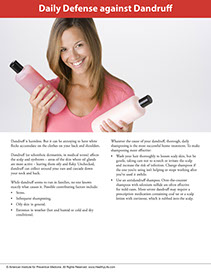
    Image of women holding shampoo bottles.

    Dandruff is harmless. But it can be annoying to have white flecks accumulate on the clothes on your back and shoulders.

    Dandruff (or seborrheic dermatitis, in medical terms) affects the scalp and eyebrows – areas of the skin where oil glands are most active – leaving them oily and flaky. Unchecked, dandruff can collect around your ears and cascade down your neck and back.

    While dandruff seems to run in families, no one knows exactly what causes it. Possible contributing factors include:

    *  Stress.

    *  Infrequent shampooing.

    *  Oily skin in general.

    *  Extremes in weather (hot and humid or cold and dry conditions).

    Whatever the cause of your dandruff, thorough, daily shampooing is the most successful home treatment. To make shampooing more effective:

    *  Wash your hair thoroughly to loosen scaly skin, but be gentle, taking care not to scratch or irritate the scalp and increase the risk of infection. Change shampoos if the one you’re using isn’t helping or stops working after you’ve used it awhile.

    *  Use an antidandruff shampoo. Over-the-counter shampoos with selenium sulfide are often effective for mild cases. More severe dandruff may require a prescription medication containing coal tar or a scalp lotion with cortisone, which is rubbed into the scalp.

    A Year of Health Hints book by the American Institute for Preventive Medicine. www.HealthyLife.com. All rights reserved.

    © American Institute for Preventive Medicine

  • Uv Safety

    Skin Conditions

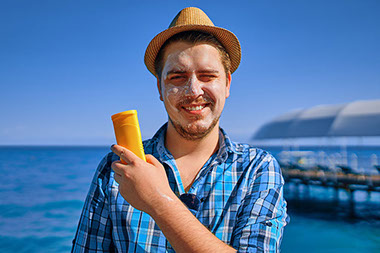
    Man holding sun block in hand with sun screen on face.

    Exposure to the sun’s UV rays causes most skin cancers. Even a few serious sunburns can raise the risk.

    Limit exposure to the sun. When in the sun, wear sun screen and lip balm with a sun protective factor (SPF) of 30 or higher.

    Ultraviolet (UV) radiation comes in three forms: UVA, UVB, and UVC. UVA and UVB rays cause skin and eye damage. UVC rays don’t reach the earth.

    UV rays also reflect off of surfaces like water, sand, and snow.

    Use sun screens that protect against both UVA and UVB rays. Choose eyewear that absorbs 99-100% of both UVA and UVB rays. Wrap-around sunglasses work best because they block UV rays from sneaking in from the side.

    High doses of UVA radiation comes from tanning beds.

    For the look of a tan, use sunless tanning lotions, sprays, and bronzers, instead of sun bathing, tanning beds, and sun lamps.

    Health at Home Lifetime book by the American Institute for Preventive Medicine. www.HealthyLife.com. All rights reserved.

    © American Institute for Preventive Medicine