Tag: skin

  • Breast Cancer And Rashes

    MEDICAL NEWS

    Image of pink ribbon.

    When you spot a rash on your skin, you probably don’t worry too much about it. After all, most rashes are simply due to minor problems like a mosquito bite, chafing, or an irritating skin care product. Though most rashes are not dangerous, it’s important to pay attention to your skin. A rare, dangerous form of breast cancer known as inflammatory breast cancer (IBC) often starts with a rash or skin changes on the breast. IBC doesn’t cause a telltale “lump” that many people expect from breast cancer. It may not show up on a mammogram either.

    What rashes should be checked?

    Many things can cause rashes on the breast, but some signs should be checked by a doctor. Call your doctor if you notice any of these changes on the breast:

    *  Pain, tenderness or itching on the breast

    *  Skin that looks or feels thicker

    *  An area that feels hard

    *  Skin that has pits or ridges or looks like an orange peel

    *  A nipple that turns inward or changes shape

    *  Swelling that makes one breast look larger than the other

    *  Skin that is swollen

    *  A breast that feels warm or heavy

    Don’t panic – but get checked

    It’s important to know that IBC is very rare. It makes up about 1 to 3 percent of all breast cancer cases.

    Some less serious problems like mastitis (an infection of the milk ducts) can have some of the same symptoms as IBC. If you notice any changes in your breasts, be sure to contact your health care provider.

    The many types of breast cancer

    There are several different kinds of breast cancer. Some start in the milk ducts, glands or other tissue, such as muscle or fat.

    The most common type of cancer is invasive (or infiltrating) ductal carcinoma. This type of cancer makes up about 80 percent of all breast cancer cases. It starts in a milk duct and spreads into the fatty tissue in the breast.

    Be aware of these other breast cancer signs and call your doctor if you notice them:

    *  A lump or mass in the breast

    *  Nipple discharge (not breast milk for nursing mothers)

    *  Pain or swelling in the breast or nipple

    *  Any unusual changes to the breast or nipple, including new moles

    Seeing your doctor for regular visits and getting mammograms as recommended is the best way to detect breast cancer early.

    Source: American Cancer Society

    © American Institute for Preventive Medicine
  • Caring For Minor Burns

    SELF-CARE CORNER

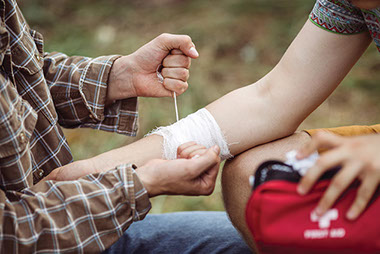
    Image of first aid on a burn to the arm.
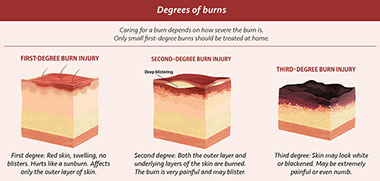
    Chart of degree of burns.

    Many people have experienced the pain that even a minor burn can cause. The home can have many burn hazards, such as touching a hot stove, getting splashed with hot water, or even biting into food with hot spots. Children, especially, can be prone to burns when they accidentally touch something hot. Adults need to be careful too: burns are painful – and possibly dangerous –  at any age.

    What to do after a burn

    If you do get a minor (first-degree) burn, know how to care for it at home so it heals as quickly as possible. If the skin isn’t broken, you should:

    *  Run cool water over the burn or soak it in cool water. Do not use ice: it’s too harsh. Keep the area under water for at least 5 minutes. You may also use a clean towel or cloth soaked in cold water.

    *  After soaking or rinsing the burn, cover it with a clean, dry bandage or gauze pad.

    *  Pain relievers like ibuprofen (e.g., Advil®) or acetaminophen (e.g., Tylenol®) can help if advised by a doctor.

    What not to do

    Treat burns with care. Do NOT:

    *  Use oil, ointment, butter or other greasy substances on the burn.

    *  Breathe or blow on the burn.

    *  Touch or pop blistered or dead skin.

    When it’s an emergency

    Always call 911 or seek emergency medical care if:

    *  You’re not sure how bad the burn is.

    *  A child gets burned.

    *  Burn is caused by chemicals or electricity.

    *  You think it might be a second or third-degree burn.

    *  It covers a large area of skin, bigger than 2 to 3 inches wide.

    *  The burn is on a hand, foot, face or genitals.

    Sources: American Academy of Family Physicians, American Academy of Pediatrics

    © American Institute for Preventive Medicine
  • Face Facts About Acne

    SELF-CARE CORNER

    Image of young women washing her face.

    Acne. It’s embarrassing. It’s annoying. And it’s the most common skin condition in the U.S. Fortunately, acne can often be reduced with simple changes to your skin care routine, say experts from the American Academy of Dermatology.

    For clearer skin, follow these tips:

    *  Wash twice a day and after sweating. Perspiration, especially when wearing a hat or helmet, can make acne worse, so wash your skin as soon as possible after sweating.

    *  Use your fingertips to apply a gentle, non-abrasive cleanser. Using a washcloth, mesh sponge, or anything else can irritate the skin. Do not use skin care products that irritate the skin, which may include astringents, toners, and exfoliants. Dry, red skin makes acne appear worse.

    *  Rinse with lukewarm water.

    *  Shampoo regularly. If you have oily hair, shampoo daily.

    *  Let your skin heal naturally. If you pick, pop or squeeze your acne, your skin will take longer to clear and you increase your risk of getting acne scars.

    *  Keep your hands off your face. Touching your skin throughout the day can cause flare-ups.

    *  Stay out of the sun and tanning beds. Tanning damages your skin. In addition, some acne medications make the skin very sensitive to ultraviolet (UV) light, which you get from both the sun and indoor tanning devices.

    *  See a skin specialist for the most current treatments.

    © American Institute for Preventive Medicine

  • Melanoma And Skin Cancer Awareness

    MEDICAL NEWS

    Image of father and child walking on the beach with a big blue umbrella.

    Skin cancer is the most common type of cancer in the U.S. Melanoma, the deadliest form of skin cancer, kills one American every 54 minutes.

    The good news is many cases of skin cancer can be prevented. Before you head outside to enjoy the sunshine and fresh air, know how you can protect yourself and your family from skin cancer.

    *There’s no “safe” tan:Getting a “base” tan before vacation isn’t safe. It increases your risk of skin cancer and aging of the skin. Using self-tanners is the only safe way to get a bronze glow.

    *Seek shade:One of the best ways to avoid UV rays is to love the shade. Trees, umbrellas and buildings are easy ways to keep the sun’s rays off your skin, especially between the hours of 10 a.m. and 4 p.m., when rays are strongest.

    *Get vitamin D safely:Though the skin makes vitamin D when it’s exposed to the sun, there are safer ways to get what you need of this nutrient. Eggs, fatty fish, fortified dairy and juice are good ways to get your D.

    *Use caution with water and snow:Swimming and skiing can expose the skin to more UV rays because the sun reflects off water and snow. Be diligent about sun protection during these kinds of activities.

    *Apply (and reapply) sunscreen:Use a sunscreen labeled “broad spectrum” with an SPF of at least 30. Reapply at least every 2 hours, and after swimming or toweling off.

    *Use protective clothing:Sun protective hats, shirts, scarves and more are available to help block UV rays. Look for clothing and swimwear with a “UPF” rating on the label for protection. Use it with sunscreen for optimum protection.

    Finally, contact your doctor if you notice a new, itchy or painful mole. Moles with irregular shapes and borders or those that are black or multicolored should be checked.

    Sources: U.S. Department of Health and Human Services, American Cancer Society, Skin Cancer Foundation

    © American Institute for Preventive Medicine

  • Safe Ways To Get Rid Of Warts

    SELF-CARE CORNER

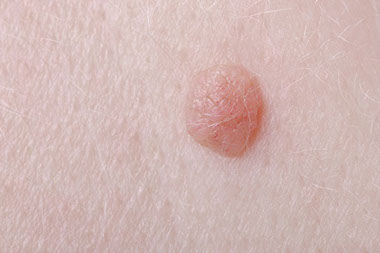
    Close up image of a wart.

    Warts are noncancerous growths caused by a contagious virus. Common warts usually appear on the hands, and plantar warts appear on the bottoms of the feet.

    Most common and plantar warts are harmless and will go away on their own with time. But, they may cause pain or embarrassment. As a result, many people would rather see them gone sooner rather than later.

    Wart basics

    If you’re not sure whether you have a wart, it’s best to see your doctor. Some skin cancers can look like warts.

    You can get warts from other people or from touching a surface that had the wart virus on it. The virus that causes warts is known as human papillomavirus (HPV). Children and teens get warts most often, but they can happen to anyone.

    Keep warts away

    It’s best to try and avoid getting warts in the first place. To help avoid warts, doctors say:

    *  Don’t go barefoot in public showers, bathrooms, locker rooms, and around swimming pools. Wear flip flops or waterproof shoes.

    *  Don’t share towels or personal items with others unless it has been washed.

    *  Wash hands regularly, including before and after eating, after using the bathroom, and after touching shared surfaces like doorknobs and ATMs.

    *  Finally, never pick at or scratch warts. This can spread the wart to other parts of the body.

    Medicines for warts

    There are a few ways to help speed the healing process for warts and get rid of them sooner. They include:

    *Wart medicine:Look for one that contains salicylic acid as the active ingredient. This medicine helps peel the wart off gradually. It can be purchased in a liquid or gel you apply to the skin, or in patches that stick on the wart.

    *Wart freezing sprays:An over-the-counter wart freezing spray can help get rid of warts. The spray blisters the wart and the skin around it, allowing it to fall off in a few days.

    *Duct tape:Some studies suggest that applying duct tape to the wart may help it go away. Put a small piece of duct tape over the wart and change the tape every couple of days. This may help peel the wart off.

    Be patient with any wart treatment. It may take several applications before the wart goes away. If these home remedies aren’t working, talk to your doctor. Most dermatologists offer stronger wart removal treatments when needed.

    Sources: American Academy of Dermatology, American Academy of Family Physicians

    © American Institute for Preventive Medicine

  • Skin Check

    SELF-CARE CORNER

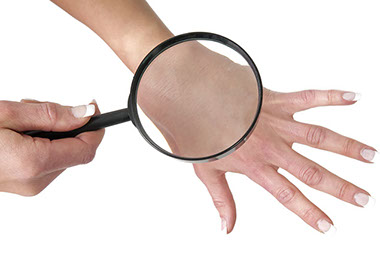
    Close-up image of a person checking to see if they have any skin moles on their hand.

    It is important to understand what will help prevent skin cancer and what might actually increase your risk, according to Caliber I.D., a company that makes diagnostic lab instruments.

    Fact: All skin types and ethnic groups can develop skin cancer. While it is true that Caucasians have a greater risk of skin-related cancer, everyone should protect their skin against the sun’s harmful rays.

    Although fair-skinned people can often easily see stage 1 melanoma (dark spots, changing or new moles) and other cancers, darker skin makes catching it in the early stages more unlikely. Also, darker-skinned people tend to develop a more lethal type of melanoma that develops on the soles of the feet, between the toes, and on the palms of the hands.

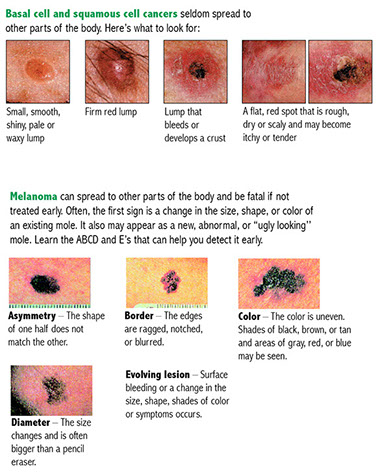
    Let your health care provider know if you have any of these signs.

    Chart showing the different types of skin cancers.

    © American Institute for Preventive Medicine

  • Sun Sense

    SELF-CARE CORNER

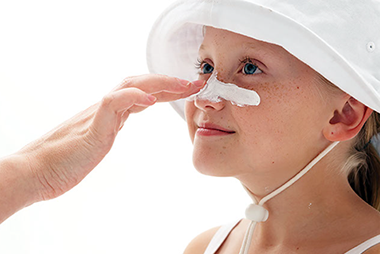
    Image of sunscreen being applied to a kid's face.

    Did you know … the term “sunblock” is no longer used on sunscreen labels because no sunscreen can block all of the sun’s rays? You’ll now see the term “broad spectrum” that indicates a level of protection offered from both UVA and UVB rays.

    Sunscreens really aren’t waterproof either. Apply and reapply at least every 2 hours, but question why you’re out in the sun for that long a period of time anyway.

    Remember, only broad spectrum sunscreens with an SPF value of 15 or higher can claim to reduce the risk of skin cancer and early skin aging, and that’s only if they’re used correctly and with other sun protection measures such as wide-brimmed hats (not baseball caps) and sunglasses.

    Nobody ever applies enough sunscreen. And many people forget about ears, backs of necks, nose, lips, and tops of feet (avoid wearing flip-flops).

    Source: University of Michigan Health System, Loyola University Medical Center

    © American Institute for Preventive Medicine