Tag: smoke

  • Relapse Rehearsal

    Healthylife® QuitWell™

    Part 5

    Image of gears with 'Relapse' and 'Recovery' imprinted.

    Choose three events from that could cause you to return to your old habit. Choose situations that you are almost sure you will come across after you have quit. Think about your plan for these times. These plans can include thoughts and actions. They may include someone else’s help. Use the tools learned in this program to write a short plan.

    Event:

    Response Plan:

    Event:

    Response Plan:

    Event:

    Response Plan:

    You may need to update your plan or improve it over time, after you have gone through the situation.

    © American Institute for Preventive Medicine

  • Why Does It Matter If I Quit?

    Healthylife® QuitWell™

    Part 1

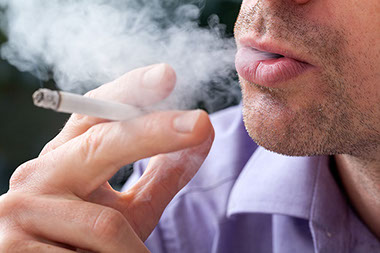
    Man smoking, while half his body in vanishing into smoke.

    Tobacco and nicotine products can affect many areas of your life.

    *  If you aren’t sure if you want to quit, read this section to learn more about how tobacco/nicotine use may be affecting your current and future life. Think about how important each of these reasons is to you. This may change over time, or if you start noticing impacts in your life.

    *  If you are ready to quit, consider adding these to your list of reasons you are making this change. Building a longer and stronger list of reasons you are choosing to make this change can help when the going gets tough.

    *  If you have already quit and are trying to stay quit, this information can help you talk yourself through a craving or tough situation. It may reinforce your decision and help you feel good about the change you have made.

    © American Institute for Preventive Medicine

  • Install Smoke Detectors And Be Sure They Work

    Home Safety

    Image of smoke around a smoke detector.

    Smoke detectors save lives. But if a smoke detector is placed in the wrong spot or not maintained, it may be useless in a fire.

    To install and maintain smoke detectors:

    *  Install at least one smoke detector on each level of your house. Best locations are in hallways and just outside bedroom doors.

    *  As an added safety measure, install two types of smoke detectors. The photoelectric cell variety detects smoldering fires, and the ionization type detects hot, flaming fires. Check for a UL (Underwriters Laboratory) emblem on the label to be sure the detectors you buy meet industry standards. And make sure they each come with a warranty, in case they’re defective.

    *  Affix detectors on the ceiling or high on an interior wall, because smoke and heat rise.

    *  Once a month, check the detectors to make sure the batteries still work. Most detectors have a test button. If you push the button and hear a beep, the batteries are good. If you hear a chirping sound, the batteries need to be replaced. (To be safe, you should replace the batteries annually, whether the malfunction signal goes off or not. To help you remember, choose an annual holiday, like New Year’s Day, as replacement time.)

    *  To make sure the sensing chamber works, you should also test the device with a lit match or candle.

    *  Be sure the alarm rings loudly enough to alert your family.

    *  Most smoke detectors last three to five years. Replace as needed.

    A Year of Health Hints book by the American Institute for Preventive Medicine. www.HealthyLife.com. All rights reserved.

    © American Institute for Preventive Medicine

  • E-Cigarettes & Your Health

    Healthylife® QuitWell™

    Part 1

    Variety of vape equipment.

    Electronic cigarettes, or e-cigarettes, are battery-powered nicotine delivery systems. They have a cartridge that contains a liquid, an atomizer to heat the liquid, a power source, and a mouthpiece. The liquid contains a chemical mix of nicotine, propylene glycol, glycerin, and flavorings. The heat source and atomizer turn the liquid into a vapor, and the mouthpiece delivers the vapor to your lungs. That’s why it’s also called vaping.

    Chart showing the different parts of an e-cigarette.

    E-cigarettes go by lots of other names: vapes, vape pens, mods, hookah pens, e-hookahs, e-cigs, e-juice, e-liquid, smoke juice, juuls, and more. While some are made to look like regular cigarettes, others look more like pens or flash drives. Some larger devices look very different and bear little resemblance to cigarettes at all. There are hundreds of different e-cigarettes on the market.

    E-cigarettes don’t contain tobacco and don’t produce smoke. Those are the only good things you can say about e-cigs! Most still contain nicotine, and all have toxic chemicals. Like cigarettes, e-cigarettes are harmful to your lungs and addictive. Nobody has invented a healthy e-cigarette yet!

    The FDA regulates the production of e-cigarettes by licensed manufacturers, but there are many unlicensed cartridges being sold from pop-up shops or on the street. These black-market cartridges can contain additional dangerous additives like solvents or pesticides. These products should be avoided at all times.

    Can they hurt if they’re not “real” cigarettes?

    It may seem like e-cigarettes are a safer option because they don’t contain tobacco or because they are available with different amounts of nicotine. Even though they do not have tobacco, e-cigarettes still contain addictive nicotine and toxic chemicals just like “real” cigarettes. Heating these chemicals and inhaling the vapor brings dangerous substances into your body. Some of these can cause cancer. Some of these may cause serious lung injury.

    In the summer of 2019, the rapid rise of hospitalizations and deaths among e-cigarette users prompted emergency action by the Centers for Disease Control & Prevention (CDC) and many state governments. While many health issues from smoking cigarettes do not show up until many years of use, serious lung illness and death has occurred in relatively young, short-term users of e-cigarettes. Long-term problems are still unknown, as e-cigarettes are new and researchers do not know what will happen to the body after 20 or 30 years of usage.

    If you use e-cigarettes and have any of the following symptoms, ask your healthcare provider to check for lung injury. Vaping-associated pulmonary illness is very serious and can be deadly.

    *   Cough, shortness of breath, or chest pain

    *   Nausea, vomiting, or diarrhea

    *   Fatigue, fever, or abdominal pain

    “Fun-flavored” Danger: E-Cigarettes and Teens

    E-cigarettes have quickly become popular with teenagers, partly due to e-juice that comes in “fun” flavors like cinnamon roll and bubble gum. These flavors, the myth that vaping is harmless, and the lack of lasting odors, create the perfect storm for teens who want to experiment or “fit in” without the stigma of smoking cigarettes. What they don’t realize is the danger of addiction and health problems.

    Can E-Cigarettes Help You Quit Regular Cigarettes?

    Some people have used e-cigarettes to cut back on the amount of nicotine they smoke until they are ready to quit entirely. The FDA has not approved this method of quitting, as there is no evidence that it leads to long-term cessation. Some studies have shown that adults who used vaping to quit cigarettes were more likely to relapse.

    Nicotine is a highly addictive substance that can damage the cardiovascular system. The narrowing of coronary arteries and breakdown of heart tissue can increase the risk for hypertension, increase inflammation in the body, and complicate existing heart conditions. If you previously smoked cigarettes, the heart is already damaged and additional use of nicotine could worsen this damage. Continued nicotine use also complicates diabetes management and associated conditions, such as eye health, risk for stroke, weight management and circulation problems.

    If you are using an e-cigarette to quit smoking, it is important to reduce the amount of nicotine you are consuming and plan to quit using the device completely. Continuing to use an e-cigarette will increase your risk of returning to regular cigarettes, along with all the problems that come with the e-cigarette itself.

    Relying on the e-cigarette as a way to cope with stress, as entertainment when bored, or to mimic smoking while driving in the car, does not change much about your smoking habit. Without making changes to your routines or learning to cope with challenges, it may make it easy to have a cigarette when the e-cigarette is unavailable, needs a re-fill, or a cigarette is offered.

    If you are looking for a way to step down nicotine safely and feel a little better when quitting, the QuitWell™ program recommends FDA-approved options in addition to support:

    *Nicotine Replacement Therapy (NRT):FDA approved, can safely be used by most people, available in a patch, gum, lozenge, nasal spray, or inhaler

    *Pharmaceutical Aid (e.g. Chantix, Zyban):Requires a prescription from your doctor, does not contain nicotine

    © American Institute for Preventive Medicine

  • Money Talks

    Healthylife® QuitWell™

    Part 1

    Image of 2 piggy banks.

    In 2020, the average price of a pack of cigarettes in the United States was $6.30. In some states, the average price was over $10 per pack. A pack-a-day smoker in those states spends $70 per week on cigarettes. That could buy a week’s worth of groceries, two to three tanks of gas, or pay a month’s utility bill. Over months and years, the possibilities go even further.

    A can of chewing tobacco costs an average of nearly $3. A two can-a-week habit costs over $300 per year. A can-a-day habit costs nearly $1,100 per year. Think of all the things you could do with the money instead of dipping or chewing. It adds up.

    Find out how much money you will save when you quit. The chart below is based on U.S. averages.

    Calculate Your Savings from Quitting:

    © American Institute for Preventive Medicine

  • Relaxation Techniques

    Healthylife® QuitWell™

    Part 4

    A couple resting on sofa with their dog.

    We will teach you four skills to relax:

    *Relaxation Reflex:Getting rid of muscle tension.

    *Mental Imagery:Thinking of calm, restful places.

    *Deep Natural Breathing:Feeling relaxed by breathing in more oxygen.

    *Spend Time with Animals:Feeling relaxed, happy and secure.

    These relaxation strategies are not designed to take your stress away. Done correctly, they will help you calm your body and mind so that you can think more logically, see major problems as manageable challenges, and get through a tough day.

    If something helps you-even a little-add it to your quitting tool kit. Remember, you will probably need a lot of strategies to be successful in the long run. One strategy may work on Monday morning, but you’ll need another tool on Friday afternoon!

    © American Institute for Preventive Medicine

  • Creative Imagination 2

    SleepWell® Program

    Week 4

    Image of women sitting outside in nature, thinking.

    This tool allows you to rehearse an event or thought in your mind so that you are better prepared to deal with it when it occurs.

    Identify an upcoming event or challenge. Picture other people there, what you do, what you say, and how you react to challenges you know are likely to arise. Mentally practice your feelings and actions to increase your confidence. Identify and address gaps in your plan.

    You can also use creative imagination to save thoughts for later. Take stressful thoughts out of your present mind to reduce anxiety and help you feel calmer. Try these techniques:

    *  Imagine your stressful thoughts in a fishbowl or behind thick glass. You can see the thought floating around but you cannot touch it or hear anything that is going on behind the glass.

    *  Imagine your thought is in a bubble floating away in the wind. The bubble dances in the breeze and eventually blows away.

    *  Imagine your thoughts are a baseball. Then imagine whacking that ball high into the sky, far away.

    *  Imagine your worries falling into the depths of the ocean.

    *  Imagine putting your ideas on a shelf to think about later.

    Make it Real

    Write your worries on an index card and put them in a shoebox. Put the box on a shelf, in the back of the closet, or in a drawer.

    Say this: “I can retrieve these thoughts later, but now it is time to sleep.”

    © American Institute for Preventive Medicine

  • Prevent Fires & Burns

    Home Safety

    Do This, Not That

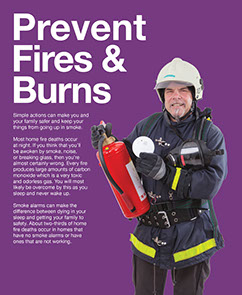
    Simple actions can make you and your family safer and keep your things from going up in smoke.

    Most home fire deaths occur at night. If you think that you’ll be awoken by smoke, noise, or breaking glass, then you’re almost certainly wrong. Every fire produces large amounts of carbon monoxide which is a very toxic and odorless gas. You will most likely be overcome by this as you sleep and never wake up.

    Smoke alarms can make the difference between dying in your sleep and getting your family to safety. About two-thirds of home fire deaths occur in homes that have no smoke alarms or have ones that are not working.

    General Guidelines

    Cooking Safety

    Electrical Safety

    Safe at Home - Do This, Not That Book. Published by the American Institute for Preventive Medicine.

    © American Institute for Preventive Medicine

  • Fill In The Void

    Healthylife® QuitWell™

    Part 4

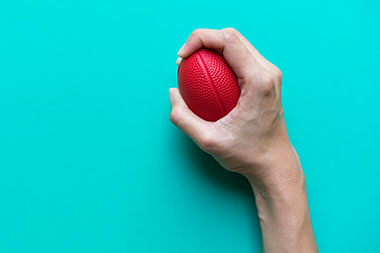
    Hand squeezing a stress ball.

    Hands:

    To take the place of holding a cigarette or e-cigarette, try holding one of these:

    *  A paper clip

    *  A hand grip or stress ball

    *  A rubber band

    *  A hair tie

    *  A pen or pencil

    Mouth:

    These can be placed in your mouth instead of tobacco:

    *  Toothpicks

    *  Coffee stirrers or cocktail twisters

    *  Sugarless gum or candy

    *  Sugarless breath mints

    *  Cinnamon sticks

    *  Crunchy vegetables (e.g. carrots or celery sticks)

    Mind:

    Make use of the gaps of time when you used to use tobacco. You might:

    *  Play cards

    *  Sketch an idea or make a list

    *  Do yard work

    *  Crochet or learn a new skill that uses your hands

    *  Stretch or exercise

    *  Write a letter or send an email

    *  Read

    *  Learn the words to a new song-or how to play it on an instrument

    *  Wash and wax your car or motorcycle

    © American Institute for Preventive Medicine

  • Move Your Body

    Healthylife® QuitWell™

    Part 5

    Couple outside stretching.

    All physical activity has benefits for the body and mind. View exercise as a break from your day. Use this time to focus on the present, instead of past or future problems and worries. What are your favorite ways to be physically active?

    Physical activity can help you quit and stay quit. It can also improve your energy level, ability to learn, and focus.

    Emotional Health

    Exercise releases endorphins and increases levels of serotonin and dopamine in the brain. These brain chemicals help create feelings of happiness and euphoria. You may start to feel these benefits after just a few minutes of moderate exercise. This leads to a happiness buzz and overall mood boost!

    Stress Management

    Norepinephrine is a chemical that can moderate the brain’s response to stress. Exercise helps to increase that chemical. Exercise can decrease worry and tension. These may be triggers for you to smoke, dip, or vape. Exercise also enhances the mind’s ability to deal with daily stressors. Managing stressors can reduce urges to reach for your old habit. The calming effect of exercise can last at least four hours after the exercise is over.

    Physical Health

    Exercise helps strengthen your muscles and bones. This helps you have good posture and keeps your joints and body more aligned. Exercise strengthens your heart muscle so your heart is more efficient. This also helps reduce your risk of having a heart attack or blood clot. Exercise can also help lower your blood pressure. Your ability to breathe also improves, especially as you reduce and eliminate smoking. Exercise improves the circulation of immune cells in your blood that fight off viruses and bacteria. Exercise also helps combat damage done to cells, tissues, and organs.

    Recommendation: Be physically active for at least 2 ½ hours (150 minutes) per week. You can do this for 10, 15, 20, or 30 minutes at a time. Consult your doctor before beginning an exercise routine if you:

    *  Have a chronic health problem, such as heart disease or diabetes.

    *  Have high blood pressure.

    *  Feel faint or dizzy when you try to exercise.

    *  Have an injury or bone or joint problems, such as arthritis, that have been or could become aggravated by exercise.

    Reduce Sit-Time

    Find ways to move more throughout the day.

    *  Set an alarm on your watch or phone to get up every hour, if sitting.

    *  Stretch and walk for a few minutes to get more oxygen flowing through your body.

    *  Drink water regularly so you need to use the bathroom every few hours.

    *  Get up during commercial breaks on TV to tidy up a room or dust.

    *  Walk outside for a few minutes. Take a deep breath of fresh air.

    *  Walk to get lunch.

    Move in Different Ways

    All exercise and movement help give you the benefits. Finding activities you like doing and that you will keep doing is important for long-term success.

    Cardiovascular (cardio) training uses large movements that involve multiple muscle groups, such as your legs, buttocks, and abdominals, all at once. Popular aerobic activities are brisk walking, running, cycling, swimming, and dancing.

    Resistance training uses body weight or weights to build muscle. Move slowly through exercises, breathing regularly. Squats, lunges, push-ups, calf raises, and bicep curls are basic resistance movements.

    Stretching helps your body be more flexible. This helps you prevent injury during exercise and everyday activities. Stretching can also help you relax.

    © American Institute for Preventive Medicine