Tag: smoking

  • Balance Of Choice 2

    Healthylife® QuitWell™

    Part 2

    Man's hand touching an abstract no smoking.

    Learn what is pulling you toward your goal and what is holding you back. All thoughts and feelings are valid. Is your goal more important to you than the challenges to achieve it? Are you pursuing this goal just because someone said you “should” do it? Complete the chart below as well as you can. If you think of something later, come back to this page to add another point to one of the boxes.

    Chart to fill out your choices.

    © American Institute for Preventive Medicine

  • I Am Quitting!

    Healthylife® QuitWell™

    Part 1

    Women putting on a patch on arm.

    Maybe you have started this program in the action phase-you are already quitting or have just quit. While you may have a quit date in mind, this phase is more than just one day. This phase usually lasts about six months for any behavior change. It starts when you start putting your plan into place and continues as you go through challenges and practice your new way of living.

    In a few words, describe your current quit plan.

    Who is supporting you?

    Remember, you may be moving back and forth between stages during your quitting process. Some days may be easier than others. It is important to stay very alert during the active phase, as slip-ups are very common. You will probably face many new challenges, from new stressors to different times of the year and holidays.

    Even if you have started this program in the action phase, work through the guide in order. Building a strong foundation will help you get through the first few months of quitting-and beyond.

    © American Institute for Preventive Medicine

  • Non-Smoking Zones

    Healthylife® QuitWell™

    Part 4

    Child holding no smoking sign.

    Go to the places where you usually did not smoke/use tobacco-or where tobacco/nicotine is not allowed. Spend time with people who don’t use tobacco/nicotine.

    *  Go to the movies

    *  Visit a non-smoking friend

    *  Spend time with children

    *  Volunteer

    List places that are easier for you to be tobacco/nicotine free.

    © American Institute for Preventive Medicine

  • Smoking & Your Health

    Healthylife® QuitWell™

    Part 1

    The word "Help" spelled out in clay, as well as lungs and cigarettes.

    Smoking is the number one cause of premature, preventable deaths in the United States. According to the Centers for Disease Control and Prevention (CDC), more than 480,000 Americans die each year due to smoking. Many of those are from cancer, heart disease, stroke, and lung disease. Very few, if any, smokers go through their lives without having harmful effects. Smoking affects more than just your lungs-every part of the body is damaged.

    Smoking can also cause:

    *  Chronic obstructive pulmonary disease

    *  Aortic aneurysm

    *  Diabetes

    *  Osteoporosis (brittle bones)

    *  Rheumatoid arthritis

    *  Macular degeneration (age-related)

    *  Cataracts

    And contributes to:

    *  Airway infections

    *  Impaired immune responses

    *  Miscarriage

    *  Pregnancy complications

    *  Low birth weight, cleft lip/palate, and risk of SIDS

    *  Erectile disfunction

    *  Frequent colds and a weakened immune system

    After You Quit

    As soon as you stop smoking, your body responds. Changes in your body start happening right away.

    Chart showing how quitting tobacco helps your body.

    © American Institute for Preventive Medicine

  • Review & Prepare 7

    SleepWell® Program

    Week 4

    Image of man thinking at desk.

    Look at your pattern of sleep over the past week. Compare it to your sleep patterns over the past few weeks of tracking. Answer these:

    *  I fall asleep more quickly now.

    *  I have more daytime energy.

    *  I wake up fewer times during the night.

    *  If or when I do wake up, I am able to fall asleep again more quickly.

    *  Relaxation techniques I practiced this past week.

    *  How I responded to racing thoughts when I tried to sleep.

    *  Are you ready for another week of attention to your sleep?

    Shift Your Bedtime Again

    Has your sleep continued to improve? If yes, you are ready to adjust your bedtime. Remember, only make a shift when your sleep quality is high.

    © American Institute for Preventive Medicine

  • Break Down Barriers

    Healthylife® QuitWell™

    Part 2

    Image of smiling man with thumbs up.

    Maybe you don’t feel like you have time to read the QuitWell™ program or answer the questions in each section. The tips on time management in this section can help. Other barriers may seem to be unchangeable until a powerful motivator enters the picture. More information or skills to get through a challenge can also help you overcome what felt impossible in the past.

    Be Open to Powerful Motivators

    Have you ever started a new relationship or made a new friend and suddenly you want to spend all your time with that person? You may even get into a new hobby in order to spend more time with them. Or, maybe you got concerning test results and want to improve before your next visit to the doctor. Or, maybe you just found out you are going to be a parent or grandparent.

    These are examples of powerful motivators. They usually seem to come out of nowhere or when you are least expecting them. Some seem to knock you off your feet and you can’t ignore how powerful they are. Others you may not notice unless you are paying attention. These may be negative and scary or joyous and exciting. As you think about quitting and look at your barriers, try to be open to power motivators.

    Do you feel any powerful motivators in your life right now?

    What could be a powerful motivator in the future? Imagine what it would take to suddenly make nearly all the barriers on your list seem less important.
    © American Institute for Preventive Medicine
  • I Quit & Want To Stay Quit

    Healthylife® QuitWell™

    Part 1

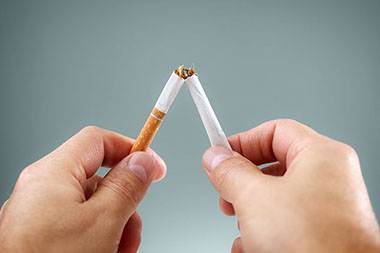
    Image of cigarette being broken in half.

    The maintenance phase of quitting starts after you have been quit for about six months. At this point, your tobacco/nicotine free lifestyle has started to feel more normal and routine. It can take years to feel like tobacco/nicotine is truly in the past, though. In this phase, you may not be thinking of your old habit on a daily basis, but reminders are still all around you. Your new habits are still young.

    What do you enjoy about being tobacco/nicotine free?

    What challenges have you overcome to get here?

    If you have quit before and relapsed, what tripped you up?

    Stress is one of the most common triggers for relapse. This guide has many tools for responding to things that happen to you. While it may not be possible to control what happens in your life, you can control your response.

    Deepen your motivation, understand your barriers (even if you already overcame them), and build a supportive team you can lean on when the going gets tough.

    © American Institute for Preventive Medicine
  • Nutrition 2

    Healthylife® QuitWell™

    Part 5

    Variety of vegetables.

    Here are more ways you can choose healthy foods to manage cravings and any weight gain.

    Healthy Eating Behavior

    How you eat is as important as what you eat. Weight control involves developing and maintaining healthy eating behaviors. Diets are hard to stay on for a long time because they are usually boring or too rigid. If you make a lasting change in your eating behavior, you will be able to maintain a healthy weight without depending on diets.

    *  Try to always eat in the same spot in your home. Eat at a table, if possible, and avoid eating on the couch or in bed.

    *  When you eat, only eat. Avoid TV or looking at your phone.

    *  Slow down your eating pace. While tobacco/nicotine raised your blood sugar in seconds, food takes a bit longer.

    – Chew and swallow each bite before the next.

    – Pause frequently to take a drink of water or engage in conversation.

    – Put your fork or food down between bites.

    *  Start your meal with a small salad or hot soup.

    *  Before having a second serving, wait 5-10 minutes to see if you begin to feel full or satisfied with your meal.

    *  Keep less healthy foods hidden in cupboards or in the back of the fridge.

    *  Use smaller plates and utensils-this will help you feel satisfied with a healthy portion and may help you eat more slowly.

    Avoid turning to food to manage difficult emotions. Address what is bothering you, go for a walk, or call a friend. Emotional eating can lead to choices higher in sugar, salt, and saturated fat.

    Choose Healthy Snacks

    Your body may be giving you hunger cues more frequently when you quit. Your body’s natural way of managing blood sugar and metabolism takes time to go back to normal. Choosing healthy snacks can help you manage your weight and energy level.

    *  Celery stalks

    *  Bell peppers, cut into slices

    *  Cantaloupe, cut into cubes

    *  Raw carrot sticks or baby carrots

    *  Cucumber slices

    *  Tomato wedges or cherry tomatoes

    *  Broccoli or cauliflower florets

    *  Green beans

    *  Frozen veggies, microwaved

    *  Apples

    *  Peaches

    *  Oranges or grapefruit

    *  Strawberries or other berries

    *  Bananas

    *  Dried fruit

    *  100% fruit juice

    Other Healthy Snacks & Combinations:

    *  Cut-up veggies with hummus, salsa, or nut butter

    *  Pita bread with hummus

    *  Granola bar (with less than 5g sugar)

    *  Raw nuts (low-salt or no-salt)

    *  Natural peanut butter on low-salt crackers, apple slices or celery sticks

    *  Mini whole-wheat bagel with natural peanut butter or cream cheese

    *  Hard boiled eggs

    *  Trail mix with nuts, dried fruit, and seeds

    *  Yogurt with berries and nuts (with less than 10g sugar)

    *  Whole-grain crackers with cheese

    *  Oatmeal with dried fruit and nuts

    *  Scrambled eggs with veggies

    *  Nut butter on a slice of whole-grain toast

    *  Whole-grain cereal with milk

    *  String cheese and low-sodium crackers

    *  Smoothie with fruit, protein powder, and milk. Try adding avocado or leafy greens.

    © American Institute for Preventive Medicine

  • Spend Time With Animals

    Healthylife® QuitWell™

    Part 4

    Man and his dog.

    Spend time with a pet. Volunteer at a shelter. Spend time with a friend or family member’s pet. Go to a pet store, or look into adopting a rescue animal.

    Spending time with a pet can:

    *  Decrease production of cortisol, a stress hormone that can put you on edge and make you ill over time.

    *  Increase serotonin, which helps you feel relaxed and happy.

    *  Help you feel secure. Pets, especially dogs, can love unconditionally and may sense when you need extra support. Some pets are trained to help you manage certain emotions, like anxiety.

    © American Institute for Preventive Medicine
  • Review & Prepare 8

    SleepWell® Program

    Week 5

    Image of women sleeping peacefully.

    Look at your pattern of sleep over the past week. Compare it to your sleep patterns during the previous weeks. Beyond Week 6, continue to reflect on a weekly basis. Notice when your sleep quality is slipping. Make changes as soon as you notice this.

    Answer these questions:

    *  I fall asleep more quickly now.

    *  I have more daytime energy.

    *  I wake up fewer times during the night.

    *  If or when I do wake up, I am able to fall asleep again more quickly.

    *  Ways I have discussed my sleep goals with the people I live with.

    *  How I will approach a conflict (or have already dealt with one).

    *  Are you ready for another week of attention to your sleep?

    Shift Your Bedtime Again

    Do you feel you are now sleeping most or all of the time you are in bed? Continue to shift your bedtime back by 15 minutes each week until you are satisfied with your energy during the day. Remember, only make a shift when your sleep quality is high.

    © American Institute for Preventive Medicine