Tag: smoking

  • Fill In The Void

    Healthylife® QuitWell™

    Part 4

    Hand squeezing a stress ball.

    Hands:

    To take the place of holding a cigarette or e-cigarette, try holding one of these:

    *  A paper clip

    *  A hand grip or stress ball

    *  A rubber band

    *  A hair tie

    *  A pen or pencil

    Mouth:

    These can be placed in your mouth instead of tobacco:

    *  Toothpicks

    *  Coffee stirrers or cocktail twisters

    *  Sugarless gum or candy

    *  Sugarless breath mints

    *  Cinnamon sticks

    *  Crunchy vegetables (e.g. carrots or celery sticks)

    Mind:

    Make use of the gaps of time when you used to use tobacco. You might:

    *  Play cards

    *  Sketch an idea or make a list

    *  Do yard work

    *  Crochet or learn a new skill that uses your hands

    *  Stretch or exercise

    *  Write a letter or send an email

    *  Read

    *  Learn the words to a new song-or how to play it on an instrument

    *  Wash and wax your car or motorcycle

    © American Institute for Preventive Medicine
  • Money Talks

    Healthylife® QuitWell™

    Part 1

    Image of 2 piggy banks.

    In 2020, the average price of a pack of cigarettes in the United States was $6.30. In some states, the average price was over $10 per pack. A pack-a-day smoker in those states spends $70 per week on cigarettes. That could buy a week’s worth of groceries, two to three tanks of gas, or pay a month’s utility bill. Over months and years, the possibilities go even further.

    A can of chewing tobacco costs an average of nearly $3. A two can-a-week habit costs over $300 per year. A can-a-day habit costs nearly $1,100 per year. Think of all the things you could do with the money instead of dipping or chewing. It adds up.

    Find out how much money you will save when you quit. The chart below is based on U.S. averages.

    Calculate Your Savings from Quitting:

    © American Institute for Preventive Medicine
  • Relaxation Techniques

    Healthylife® QuitWell™

    Part 4

    A couple resting on sofa with their dog.

    We will teach you four skills to relax:

    *Relaxation Reflex:Getting rid of muscle tension.

    *Mental Imagery:Thinking of calm, restful places.

    *Deep Natural Breathing:Feeling relaxed by breathing in more oxygen.

    *Spend Time with Animals:Feeling relaxed, happy and secure.

    These relaxation strategies are not designed to take your stress away. Done correctly, they will help you calm your body and mind so that you can think more logically, see major problems as manageable challenges, and get through a tough day.

    If something helps you-even a little-add it to your quitting tool kit. Remember, you will probably need a lot of strategies to be successful in the long run. One strategy may work on Monday morning, but you’ll need another tool on Friday afternoon!

    © American Institute for Preventive Medicine

  • Why Does It Matter If I Quit?

    Healthylife® QuitWell™

    Part 1

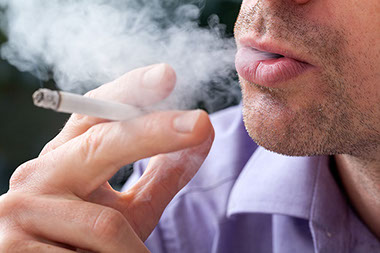
    Man smoking, while half his body in vanishing into smoke.

    Tobacco and nicotine products can affect many areas of your life.

    *  If you aren’t sure if you want to quit, read this section to learn more about how tobacco/nicotine use may be affecting your current and future life. Think about how important each of these reasons is to you. This may change over time, or if you start noticing impacts in your life.

    *  If you are ready to quit, consider adding these to your list of reasons you are making this change. Building a longer and stronger list of reasons you are choosing to make this change can help when the going gets tough.

    *  If you have already quit and are trying to stay quit, this information can help you talk yourself through a craving or tough situation. It may reinforce your decision and help you feel good about the change you have made.

    © American Institute for Preventive Medicine
  • Lung Cancer

    Respiratory conditions

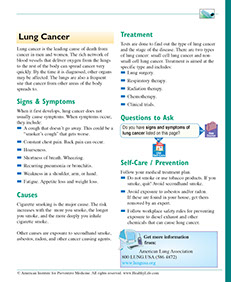
    Lung cancer is the leading cause of death from cancer in men and women. The rich network of blood vessels that deliver oxygen from the lungs to the rest of the body can spread cancer very quickly. By the time it is diagnosed, other organs may be affected. The lungs are also a frequent site that cancer from other areas of the body spreads to.

    Signs & Symptoms

    When it first develops, lung cancer does not usually cause symptoms. When symptoms occur, they include:

    *  A cough that doesn’t go away. This could be a “smoker’s cough” that gets worse.

    *  Constant chest pain. Back pain can occur.

    *  Hoarseness.

    *  Shortness of breath. Wheezing.

    *  Recurring pneumonia or bronchitis.

    *  Weakness in a shoulder, arm, or hand.

    *  Fatigue. Appetite loss and weight loss.

    Causes

    Cigarette smoking is the major cause. The risk increases with the  more you smoke, the longer you smoke, and the more deeply you inhale cigarette smoke.

    Other causes are exposure to secondhand smoke, asbestos, radon, and other cancer causing agents.

    Treatment

    Tests are done to find out the type of lung cancer and the stage of the disease. There are two types of lung cancer: small cell lung cancer and non-small cell lung cancer. Treatment is aimed at the specific type and includes:

    *  Lung surgery.

    *  Respiratory therapy.

    *  Radiation therapy.

    *  Chemotherapy.

    *  Clinical trials.

    Questions to Ask

    Self-Care / Prevention

    Follow your medical treatment plan.

    *  Do not smoke or use tobacco products. If you smoke, quit! Avoid secondhand smoke.

    *  Avoid exposure to asbestos and/or radon. If these are found in your house, get them removed by an expert.

    *  Follow workplace safety rules for preventing exposure to diesel exhaust and other chemicals that can cause lung cancer.

    Healthier at Home book by the American Institute for Preventive Medicine. www.HealthyLife.com. All rights reserved.

    © American Institute for Preventive Medicine
  • Balance Of Choice

    Healthylife® Weigh

    Part 1

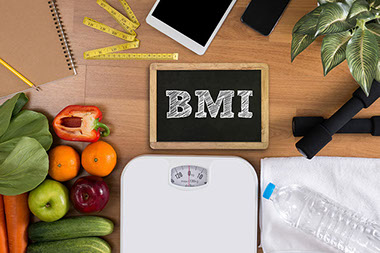
    Dumbbells, scale, towel, fruit, BMI body mass index formula rate formula in a board.

    Learn what is pulling you toward your goal and what is holding you back. All thoughts and feelings are valid. Is your goal more important to you than the challenges to achieve it? Are you pursuing this goal just because someone said you “should” do it? If you think of something later, come back to this to add another point.

    Benefits – “Pros” vs Costs-“Cons”

    Making a change.

    Pro Example: I will have more energy.

    Con Example: I won’t be able to have sweets as often as I do now.

    Not changing.

    Pro Example: I can keep all of my current habits.

    Con Example: I could keep putting on more weight.

    © American Institute for Preventive Medicine
  • Quit Smoking

    Healthylife® Weigh

    Part 3

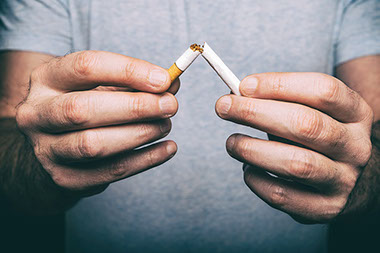
    Hands breaking a cigarette in half.

    Smoking and the use of other tobacco products causes serious harm to the body, including cancer, cardiovascular disease, and emphysema. Smoking can also complicate diabetes and other health conditions.

    If you are smoking, try to quit. Talk to your doctor about tools to help you quit. Call 800-QUIT-NOW (800-784-8669) to talk to someone who can help you quit.

    Quitting smoking may cause some weight gain as your body learns to regulate blood sugar and appetite normally again. Smoking can also be a coping strategy for stress, so you will need to learn new ways to manage stress. It is worth it to quit smoking.

    © American Institute for Preventive Medicine

  • 5 Things To Know About Lung Cancer

    MEDICAL NEWS

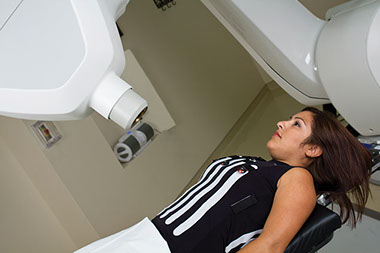
    Image of women getting a lung scan.

    Lung cancer is the country’s leading cause of cancer death. Many of the 160,000 deaths from lung cancer in the U.S. can be prevented. Dr. Bruce Johnson, the director of the Lowe Center for Thoracic Oncology at Dana-Farber Cancer Institute, sorts out the facts about lung cancer and offers simple ways to reduce risk.

    1. Lung cancer targets more than just smokers. The greatest risk factor for lung cancer is smoking, but nonsmokers can also develop lung cancer. About 10 to 15 percent of lung cancer cases occur in nonsmokers, many of them women.

    2. Know the warning signs. They can be subtle but symptoms to be aware of include a cough that does not go away, shortness of breath, back and shoulder pain, and coughing up blood. This could be a sign of something serious and should be discussed with a doctor.

    3. It’s never too late to quit smoking. People who stop and remain a nonsmoker for at least 10 to 20 years can cut their risk of developing lung cancer by 50 to 75 percent.

    4. CT screenings can save lives. Lung cancer can be difficult to detect and, until recently, there has not been a good screening test. But results from the National Lung Screening Trial suggest that screening high-risk people with low-dose CT scans can detect tumors at an earlier stage, resulting in improved lung cancer survival. Screening is currently recommended for people who are between the ages of 55 and 74 and who have smoked a pack a day for 30 years and quit fewer than 15 years ago.

    5. New therapies show promise. Thanks to advances in the last decade, new targeted therapies offer more treatment options for patients.

    © American Institute for Preventive Medicine
  • Another Reason To Stop Smoking

    SELF-CARE CORNER

    Image of cigarettes butts.

    Each year Americans buy nearly 300 billion cigarettes. A vast number of those cigarette butts, including the filters, will be flicked into the environment, landing along waterways, parks, beaches, and public roads. This makes cigarettes the number one littered item in the nation, according to Legacy, the nonprofit created in the wake of tobacco lawsuits. Cigarette butts are made mostly of plastic, which can take years to decompose, and they only break up into small particles of plastic. Join a cleanup event and help build awareness around your community and workplace.

    © American Institute for Preventive Medicine

  • Casual Smokers At Risk

    MEDICAL NEWS

    Image of a person placing on a nicotine patch.

    People who smoke just a few cigarettes a day are exposed to the same serious health risks as heavier smokers, breaking a common myth that social or casual smoking is somehow safe or that they can easily quit.

    Casual smokers who smoke between 1 and 4 cigarettes a day, are tripling their risk of dying of heart disease and lung cancer, according to Dr. Robin J. Mermelstein, a clinical psychologist and director of the Center for Health Behavior Research at the University of Illinois at Chicago who specializes in smoking cessation counseling. Light smokers represent about 7 million of the U.S. smoking population.

    For light smokers looking to quit and stay smoke-free, Dr. Mermelstein offers the following advice:

    *Think about the reasons you smoke.It will give you a clearer path to quitting. Does smoking relieve stress? Is it a large part of your social life?

    *Get your head in the game.Get support products like nicotine replacement therapy and online help. Customized online support services provide encouragement to help you break your behavioral and psychological link to cigarettes and is proven effective in helping smokers quit.

    *Choose nicotine replacement that’s right for you.Lighter smokers may be less likely to use nicotine replacement therapy to help them quit, which means they could be setting themselves up for failure. Nicotine replacement therapies are clinically proven to reduce the physical withdrawal symptoms like cigarette cravings and can double a smoker’s chance of quitting successfully.

    For light smokers or heavier smokers, research shows the most successful approach to quitting is a combination of medicine, such as nicotine replacement patches, that can help reduce the physical cravings of nicotine, and behavioral strategies that help smokers cope with those triggers to light up. Your employer may offer some of these options.

    © American Institute for Preventive Medicine