Tag: snacks

  • Go Nuts For A Healthy Heart

    HEALTHY EATING

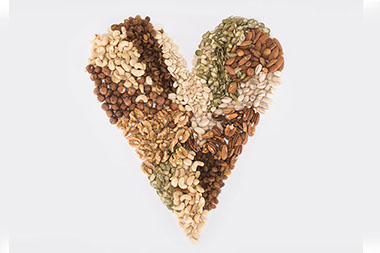
    Variety of nuts shaped into a heart.

    Nuts often get a reputation as being unhealthy. We add them to cookies and ice cream. People eat them by the handful at parties. But do nuts deserve a bad rap?

    Concerns about calories

    For years, many people avoided nuts because they are high in calories and fat. However, newer research finds that nuts can be an important part of a healthy diet. They contain many nutrients needed for body functions.

    The key is to eat nuts in moderation. This means you may need to eat smaller portions. Then, you can avoid eating too many calories from nuts.

    Look at the serving size on a package of nuts to get an idea of how much to eat. One serving may be quite small (2-4 tablespoons).

    Some Fats are Healthy

    Yes, most nuts are high in total fat. But these fats found in nuts actually promote good health! Most are high in healthy monounsaturated or polyunsaturated fats.

    Monounsaturated and polyunsaturated fats can help lower bad cholesterol, which can lower the risk of heart disease and stroke. The American Heart Association recommends people eat more of these fats from healthy sources like nuts and seeds.

    Protein packed

    Nuts are a good source of plant-based protein. Protein is an essential nutrient that the body needs for building muscle, repairing tissues and making hormones.

    It takes longer for the body to digest proteins than carbohydrates. That’s why eating some protein could help you feel less hungry than if you ate only carbohydrates, like crackers or bread.

    The Dietary Guidelines for Americans recommend that people eat healthy sources of protein, like those that come from nuts and seeds, and plant foods.

    Which types to eat

    Of course, there are many different kinds of nuts. Each type tastes different and may contain a variety of nutrients. As long as you’re not coating nuts with sugar and salt, any type can be healthy.

    Take a look at your favorite nut’s nutrition facts and go from there. For instance, macadamia nuts are one of the highest in calories and fat per ounce. But take those calories into account, and eat them instead of chips or cookies.

    Replace unhealthy, processed foods with nuts. You’ll get more nutrients and might even feel more full.

    Sources: Academy of Nutrition and Dietetics, National Institutes of Health, U.S. Department of Agriculture

    © American Institute for Preventive Medicine
  • Kid-Friendly, Healthy Snacks

    HEALTHY EATING

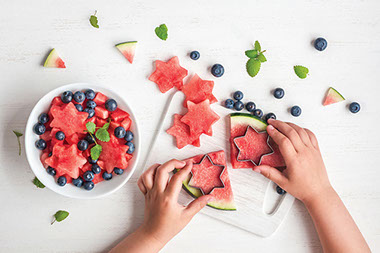
    Kids hands cutting out star shaped watermelon.

    A simple way to encourage your kids to eat healthy is to have healthy foods on hand and easily available to them.

    *  Put fruits and vegetables within reach on the counter or in the refrigerator.

    *  Save cookies and sweets as occasional treats, not everyday snacks.

    *  Avoid buying chips, crackers and other high-calorie, high-sugar packed foods. Or buy less of them and keep them in a less convenient location. Out of sight, out of mind.

    *  Purchase easy but healthy “packaged” snacks like no sugar added fruit cups, raisin packs, cheese sticks, Greek yogurt and popcorn (choose “light” popcorn without too much added butter or salt).

    Popcorn treats

    Ingredients

    2 tablespoons soft margarine or butter (melted)

    5 cups popped popcorn

    3/4 cup raisins

    1 cup shredded wheat cereal (bite-size)

    1 tablespoon sugar  (brown or white)

    1 1/4 teaspoons cinnamon

    Directions

    1.  Pop popcorn. You can use microwave or stovetop, but choose one without added butter, sugar or salt.

    2.  Mix popped corn, raisins, and cereal in a large bowl.

    3.  Mix sugar and cinnamon in small dish.

    4.  Drizzle melted margarine or butter over mixture.

    5.  Add sugar and cinnamon mixture.

    6.  Shake or stir until all ingredients are evenly distributed.

    Nutrition per serving: Servings 4. Calories 265; Total Fat 10 g; Saturated Fat 2 g; Sodium 118 mg; Total Carbohydrate 46 g; Dietary Fiber 5 g; Protein 4 g

    Source: USDA ChooseMyPlate

    © American Institute for Preventive Medicine
  • Stay Healthy At Work

    WORK LIFE

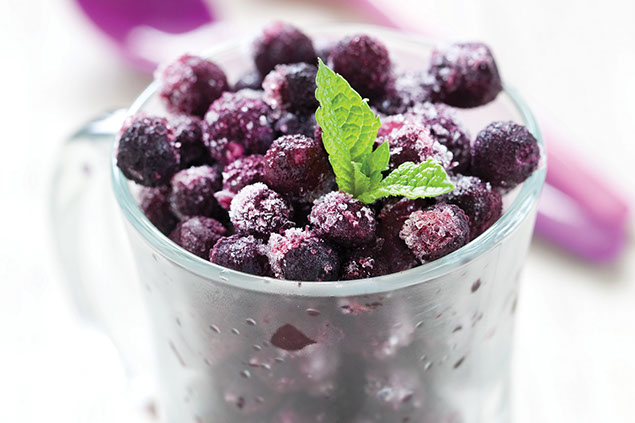
    Image of frozen berries in a glass.

    When work is busy, it can be easy to lose track of your health goals.

    Don’t assume you have no time to pack healthy snacks or that it’s too expensive. If you use some of the shortcuts below instead of buying something while you’re at work, you’ll likely save yourself time and money. And, these nutritious options won’t leave you feeling sluggish by 4 p.m.

    Time-saving, healthy ideas include:

    *  Canned fruit (in juice, not syrup) with Greek yogurt

    *  Mini microwave packs of frozen vegetables

    *  Dried fruit and nuts – make your own healthy trail mix

    *  Pre-chopped fruits, vegetables and salad

    Did you know?

    Frozen and canned fruits and vegetables have the same nutrients as fresh. In some cases, they may be even more nutritious because they are canned or frozen soon after harvest.

    Source: Produce for Better Health Foundation

    Drinks matter too.

    Do you reach for coffee throughout the day? Consider cutting back and replacing it with water. You could reap numerous benefits of reduced caffeine intake, including:

    *  Better sleep. Caffeine can take several hours to leave your body completely. This means that afternoon cup could be keeping you awake many hours later.

    *  Reduced stress. You’re sleeping better – and better sleep helps you cope with stress.

    *  More energy. Hydrating with water can fight fatigue.

    *  Less anxiety. Caffeine can trigger anxiety – or make it worse – in some people.

    © American Institute for Preventive Medicine
  • Tips For Intermittent Fasting

    HEALTHY EATING

    Clock sitting on top of a white plate.

    If you have a health condition, talk to a doctor before trying any diet.

    Intermittent fasting isn’t safe for everyone. People who have diabetes could have dangerous blood sugar crashes if they go too long without eating. If you take medications, the timing of your meals may be important, too.

    Focus on healthy foods

    Intermittent fasting plans focus on when you eat, not what you eat. But, this doesn’t mean you should eat lots of junk food when you’re following this diet approach.

    Sugary, processed foods will likely make you feel even more hungry not long after you eat them. Also, they won’t give you the nutrients your body needs.

    To help you feel full and cut calories, focus on plenty of high fiber, vegetables, fruits, whole grains, and lean protein.

    Stay hydrated

    Hydration is very important when you’re fasting. Make sure you drink plenty of water. Some people may need electrolyte drinks. Ask your doctor about why these types of fluids may be recommended.

    Dehydration can make you more hungry and is not healthy for you. Severe dehydration is life-threatening. Make sure you have water with you at all times and drink plenty of other fluids. Avoid caffeinated drinks like coffee, because they can make you jittery and could make dehydration worse.

    Start small

    Fasting can be difficult when you’re not used to it. Think about a healthy way you could do a mini fast each day. For instance, start by not eating anything after dinner each night. You might fast from   7 p.m. to 6 a.m.

    This is a way to allow your digestive system to rest and to burn some extra calories at night. When we don’t eat for several hours, the fat cells can get rid of some of their stored energy. Plus, because you’re not snacking after dinner, you’ll probably cut some calories from your daily intake.

    If this method works for you, try making the fast a little longer. Work your way up to the 8-hour window, or whatever timeframe works best for you.

    © American Institute for Preventive Medicine
  • Easy Snacks For High Energy

    HEALTHY EATING

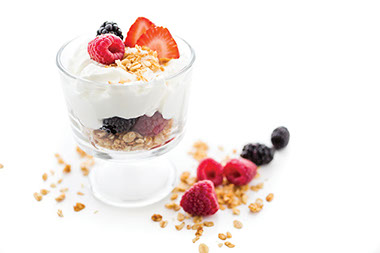
    Image of greek yogurt and fresh berries.

    One way to keep your energy up is to choose snacks that have fiber and protein. These foods are digested more slowly. That way you won’t “crash” like you do after eating sugar-filled and low-fiber foods. Some healthy choices include:

    *  An apple with a small handful of nuts

    *  Carrots and celery with string cheese

    *  Greek yogurt and fresh berries

    Source: Academy of Nutrition and Dietetics

    © American Institute for Preventive Medicine
  • Foods For Better Sleep

    WORK LIFE

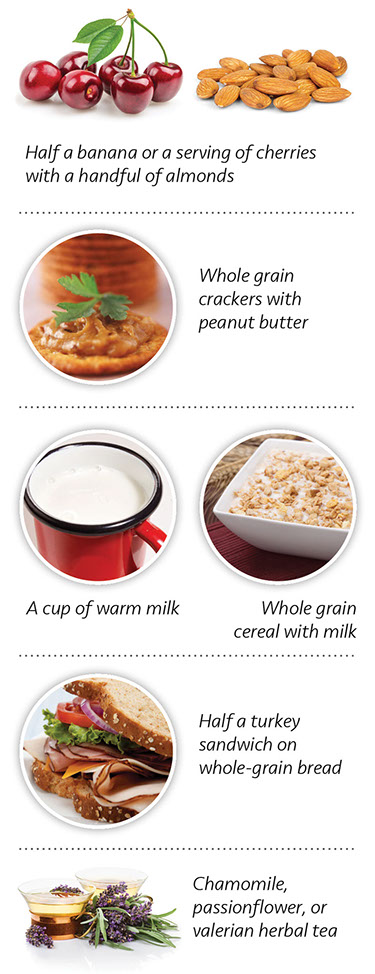
    Try these before-bed snacks to help you drift off to dreamland. Each of them contains natural chemicals that may help you wind down. Don’t eat too much: a heavy snack may actually keep you awake.

    Source: National Sleep Foundation

    Chart of different foods to help sleep better.

    © American Institute for Preventive Medicine
  • Fueling Your Workout The Healthy Way

    BE FIT

    Image of man at the gym.

    Food is your body’s fuel. When it comes to exercise, healthy food can power you through a workout session, while less healthy food can leave you feeling flat.

    Finding the right pre-workout foods doesn’t have to be complicated. Listen to your body and keep track of your diet. This can help you discover what you should eat – and avoid eating – when you want to make the most of your exercise time.

    No “quick fixes”

    Though many products on the market claim to boost energy and performance, many of them aren’t as healthy as nutritious, whole foods. Some energy bars and drinks contain high levels of sugar, caffeine and other additives. These may give you a quick “jolt,” but when your blood sugar drops and the caffeine wears off, you could feel sluggish or downright exhausted.

    Is timing everything?

    Some athletes swear by eating 30 minutes before a workout. Others experience cramping or tiredness if they eat too close to when they exercise.

    If you’re doing an intense workout, such as running or high-impact aerobics, you may need to give your body longer to digest a meal. But lower-intensity activities, such as walking or gardening, may be more enjoyable if you’ve had a small meal first.

    Healthy pre-workout choices

    Whole foods are often a great choice pre-workout – and in daily life. But don’t stick to fruits and vegetables only. The body needs some protein and fat to make energy. Try avocados, nuts, seeds, eggs, fish or beans with some fruit or veggies. If you’re going to exercise within the hour, make it a smaller portion.

    Skip sugary treats, sweetened beverages, and energy bars and drinks. Drink plenty of water before your workout and continue to drink during and afterward. If you’ll be sweating excessively, a sports drink may be advised – but make water the drink of choice most of the time.

    Coffee and exercise – a good match?

    Some people find they have a better workout after they’ve had their morning cup of joe. This can be helpful for those who already drink coffee, but it’s not for everyone. Coffee can dehydrate you, so drink plenty of water. And, if you don’t already drink caffeinated beverages, you could end up jittery or anxious. If your doctor has told you to avoid caffeine, don’t try this.

    Consuming the right foods at the right time may help you feel your best during and after your workout.

    © American Institute for Preventive Medicine
  • Get Your Healthy Game Day On

    SELF-CARE CORNER

    Image of football field.

    The excitement of football, and even the activities and feelings of anticipation leading up to games, can be unhealthy in ways many do not realize, according to Jody Gilchrist, a cardiac nurse practitioner at the University of Alabama at Birmingham.

    Critical matchups, tight games, and crushing defeats can trigger adrenaline that reduces blood flow to the heart and other muscles and increases heart rate and blood pressure. Over time, these high levels of stress hormones can hurt your heart-even though a football game may be deemed good stress.

    Adding to the effects of stress on the body would be unhealthier foods at the tailgate party, and heavier eating and drinking during the game. Not a winning combination. Here are some tailgating tips:

    *  Help minimize stress by watching the game with people you enjoy.

    *  Knock out a few pushups and sit ups during commercial breaks.

    *  Chew gum or squeeze a stress ball to reduce anxiety and control your emotions.

    *  Take a brief walk at halftime, or if you are attending the game, take a walk around the stadium or to another section to meet a friend.

    *  Manage your net dietary intake by planning ahead and making healthier choices at other times of the day in anticipation of splurging a bit during the game.

    *  If tailgating at the stadium, try to conserve calories earlier in the day.

    *  If tailgating at home, consider using vegetables in place of chips for dips, and substitute Greek yogurt for sour cream or cream cheese dips.

    *  Because sodium causes fluid retention-something especially bad for heart patients-a good rule of thumb is to avoid foods that have more than 1 mg of sodium per calorie. At about 0.5 mg of sodium per calorie, natural foods such as fresh fruits and vegetables generally contain much less, so opt for them whenever possible.

    *  Do your best to avoid soft drinks, which are extremely high in sugar.

    In the end, your health will win-even if your team does not.

    © American Institute for Preventive Medicine
  • Healthier Super Bowl Snacks

    HEALTHY EATING

    Image of football.
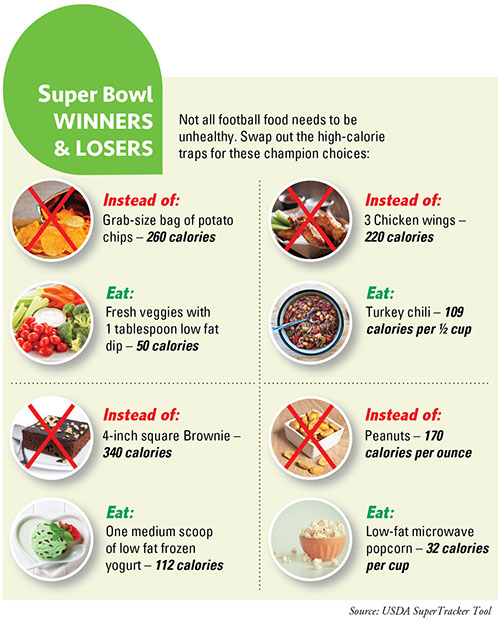
    Chart showing healthy options for super bowl snacks.

    On Super Bowl Sunday, people across the country will gather at homes, restaurants, and bars to watch the big game and enjoy game-day food. Sadly, traditional football fare tends to be high in fat and calories and low in nutrition. The Calorie Control Council says many Super Bowl fans will consume 2,000 calories or more during the game. That’s about a full day’s worth of calories in just a few hours.

    So how can you enjoy the game without the unhealthy side effects? Here are a few tips to help:

    *  Keep a zero-calorie drink like water in your hand, and sip on it throughout the day instead of snacking on food.

    *  Keep your distance from the kitchen or wherever the food is sitting out. If it’s out of sight, you’ll be less likely to mindlessly reach for snacks when you’re not hungry.

    *  If fresh fruit and veggies are available, fill your plate with those. This leaves little room for other choices.

    Be mindful of how much you’re eating, and stick to only a small serving of the high-calorie foods. If you’re cooking, take the opportunity to prepare a variety of healthy but fun choices for your guests.

    © American Institute for Preventive Medicine

  • Healthy Eating Tips

    Children’s Health

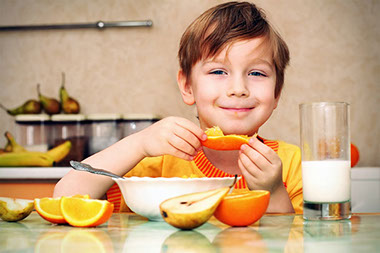
    Image of young boy eating oranges.

    *  Make half your grains whole. Choose whole-grain food, like whole-wheat bread, oatmeal, and brown rice more often.

    *  Vary your veggies. Go dark green and orange with your vegetables. Eat spinach, broccoli, carrots and sweet potatoes.

    *  Focus on fruits. Eat them at meals. Eat them at snack times, too. Choose fresh, frozen, canned or dried fruits. Go easy on fruit juices.

    *  Go lean with protein. Eat lean or low-fat meat, chicken, turkey, and fish. Also, choose dry beans and peas more often. Add chick peas, nuts, or seeds to a salad. Add pinto beans to a burrito. Add kidney and/or other beans to soup.

    *  Get calcium-rich foods. Have low-fat and fat-free milks, yogurts, and cheeses. If you have soy milks and yogurts, choose ones with calcium. Have broccoli, kale and collard greens. Calcium helps to build strong bones.

    *  Change your oil. Get yours from fish, nuts, and liquid oils, like canola, corn, olive, and soybean. Avoid foods with trans fat. Read food labels.

    *  Don’t sugarcoat it. Choose foods and beverages that do not list sugar, corn syrup and other sugars as one of the first ingredients. Added sugars give calories, but have few, if any, nutrients.

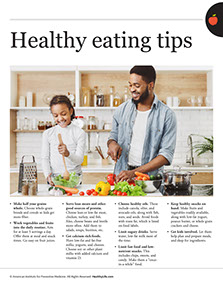
    Page from Children's Self-Care book by the American Institute for Preventive Medicine. www.HealthyLife.com. All rights reserved.

    © American Institute for Preventive Medicine